






Living with asthma means being mindful of your breath every day. While prescribed medication is essential, many people seek complementary ways to manage their condition. This guide explores evidence-based breathing techniques that can empower you.
Why Breathing Exercises Matter
Breathing
exercises are a non-pharmacological approach to help manage asthma symptoms. The goal is not to replace your inhaler but to complement your medical treatment. Research shows these techniques can help reduce symptoms, lessen feelings of breathlessness, and improve overall quality of life. Many of these practices work by retraining your breathing patterns, encouraging slower, more efficient breaths from the diaphragm rather than shallow chest breathing. This can help strengthen respiratory muscles and reduce the anxiety that often accompanies breathing difficulties. However, studies consistently show that while symptoms and quality of life improve, the underlying lung function (the physiological cause of asthma) does not significantly change.
The Buteyko Breathing Technique
Developed by Ukrainian doctor Konstantin Buteyko, this method is based on the idea that many people with asthma habitually 'over-breathe' or hyperventilate. The technique focuses on gentle, shallow, and slow nasal breathing to restore normal carbon dioxide levels in the body. A key exercise is the 'control pause,' where you hold your breath after a normal exhale to gauge your breathlessness. Several reviews and trials have found moderate evidence that the Buteyko method can lead to a significant reduction in asthma symptoms and a decreased need for reliever medication. Pulmonologists generally consider it a safe complementary therapy when taught by a certified instructor and used alongside prescribed controller medications.
The Papworth Method
The Papworth method, developed in the 1960s, is another well-studied technique. It combines deep, diaphragmatic (belly) breathing with relaxation exercises and education. The core of the practice is learning to breathe predominantly through the nose and from the diaphragm, and then integrating this relaxed breathing pattern into everyday activities. A landmark randomised controlled trial showed that the Papworth method reduced respiratory symptoms by about a third, with benefits in mood and anxiety that were maintained even a year later. Much like other techniques, it improved the experience of breathing but did not alter objective lung function tests.
Diaphragmatic 'Belly' Breathing
Diaphragmatic breathing is a foundational technique that forms the basis of many other methods, including the Papworth method and yoga. The aim is to engage the diaphragm, the large muscle at the base of your lungs, for a deeper, more efficient breath. To try it, sit or lie down comfortably. Place one hand on your upper chest and the other on your belly, just below your rib cage. As you inhale slowly through your nose, focus on making your belly rise. The hand on your chest should remain relatively still. Exhale slowly through your mouth, feeling your belly fall. Studies show this practice can improve lung capacity, reduce breathlessness, and enhance overall well being for people with asthma.
Pranayama: The Yogic Approach
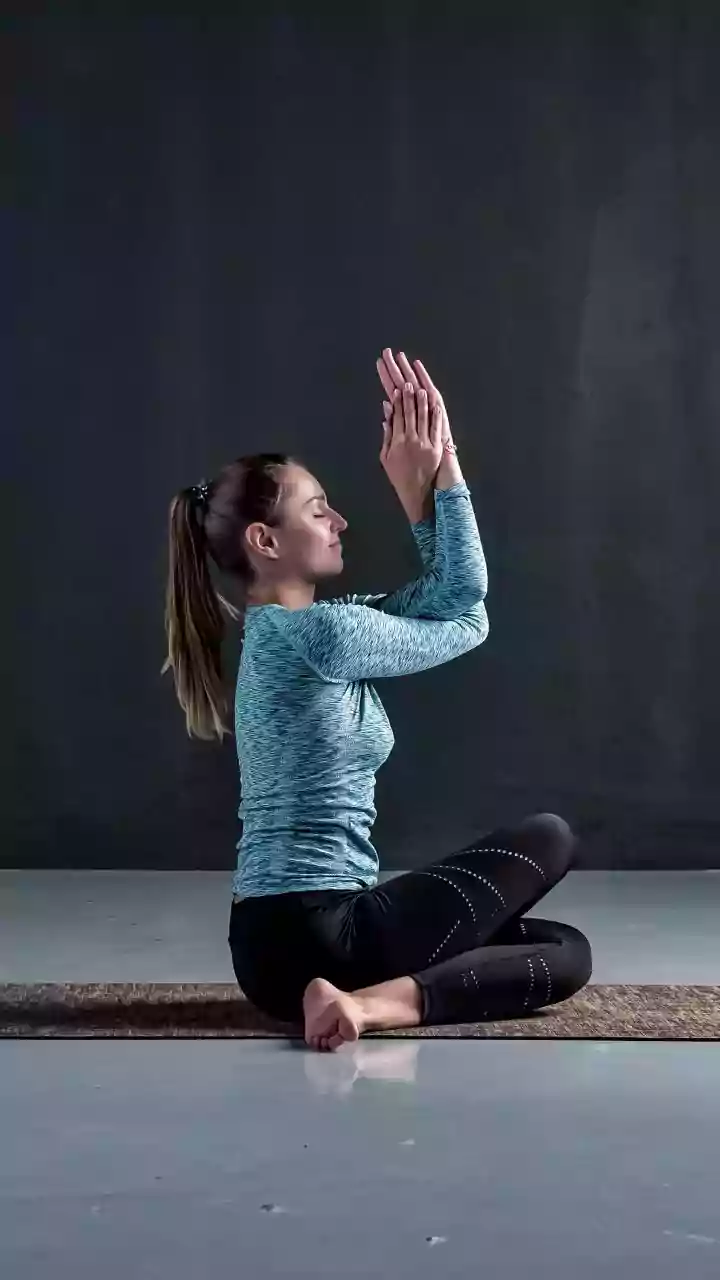
Pranayama, or yogic breathing, is an ancient practice with deep roots in India. It involves various techniques to consciously regulate the breath. Research into its effects on asthma has shown promising results. Several studies have found that regular pranayama practice can significantly improve asthma control and enhance the quality of life for those with the condition. Participants in these studies often report fewer symptoms and a better sense of well being. However, similar to other breathing modalities, most research has not found significant changes in pulmonary function test values. It is viewed as a supportive practice that helps manage the experience of the disease.
A Word on Safety and Next Steps
It is crucial to approach these exercises as a supplement to, not a replacement for, your prescribed asthma treatment. Global guidelines, like those from the Global Initiative for Asthma (GINA), emphasize that inhaled corticosteroids (ICS) are the cornerstone of treatment to control inflammation and reduce the risk of serious attacks. Relying on a short - acting reliever inhaler alone is no longer recommended for safety reasons. Before starting any new breathing practice, discuss it with your doctor or a respiratory therapist. They can help ensure the technique is appropriate for you. It is also best to learn from a qualified instructor to ensure proper form and to never practice these exercises during an active asthma attack.