





Choosing the Right Pouch for Your Trip
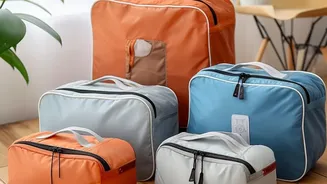
Not all compression bags are created equal. You’ll generally find two types: those that require a small, portable vacuum pump and those you simply roll by hand to push the air out. For travel, especially to a beach destination, the manual roll-up bags are often
more convenient. You don't need to pack a pump or worry about finding a power source to re-pack for the journey home. High-quality bags made from durable materials like TPU (thermoplastic polyurethane) rather than cheap PVC are less likely to tear or leak air. A good seal is everything; look for bags with a double zipper to ensure they remain airtight.
What to Compress (and What to Avoid)
The golden rule of compression is to focus on bulky, soft items. Think beach towels, a light jacket for cool evenings, denim shorts, and cotton t-shirts. These items have a lot of air trapped in their fibres, and compressing them can reduce their volume significantly. However, be selective. Avoid compressing delicate fabrics like silk or heavily structured garments, which can be permanently creased or damaged. For a humid getaway, you're likely packing linen and lightweight cottons. While these can be compressed, they are prone to wrinkling, so it’s a trade-off. It’s best to leave structured items, or anything with beading or embroidery, out of the compression bag.
The Art of Folding to Minimise Wrinkles
While some creasing is inevitable with compression, how you pack items into the bag makes a huge difference. Instead of tightly rolling clothes, which can create sharp folds, try neatly folding them into flat, rectangular shapes. Stack these folded items evenly inside the bag before sealing it. Try to make the stack as uniform in thickness as possible to ensure even compression. Don’t overfill the bag; leaving a little space around the edges and below the zipper will help you get a better, more effective seal and prevent stress on the seams.
A Word of Warning on Weight
Vacuum pouches are masters of saving space, but they don't reduce weight. In fact, by allowing you to pack more into your suitcase, they can make it dangerously easy to exceed airline weight limits for checked or carry-on baggage. Before you head to the airport, weigh your packed suitcase. This simple step can save you from a hefty and unexpected overweight baggage fee. The goal is to pack more efficiently, not just more stuff. Remember that even though your clothes are compressed, airport security may ask to open the bags for inspection, so be prepared to reseal them if needed.
Repacking Smart in a Humid Climate
Packing for the trip home presents a unique challenge in a humid environment. Any moisture trapped in your clothes can lead to mildew and musty smells when sealed in an airtight bag. Before repacking, ensure all your clothes, especially swimwear and beach towels, are completely dry. If you can’t get something fully dry, pack it separately in a non-sealed bag to let it breathe. It's also wise to bring an extra compression bag dedicated to dirty laundry. This keeps soiled clothes separate from your clean items and contains any odours for the journey back.