





The Blueprint for an Orbital Outpost
The Bharatiya Antariksha Station (BAS) is envisioned as a modular outpost orbiting Earth at an altitude of about 400-450 kilometres. Unlike monolithic structures, it will be assembled piece by piece in space. The Indian Space Research Organisation (ISRO)
has an ambitious timeline, targeting the launch of the first module, BAS-01, in 2028. This initial module will be a robotic base, with the full five-module, 52-tonne station slated for completion by 2035. Once fully operational, the BAS will be able to host three to four astronauts for long-duration missions lasting several months. This project is the logical next step after the Gaganyaan mission, which is developing the core technologies for human spaceflight, such as life support and docking systems.
A New Frontier for Indian Science
Having a permanent address in space will be transformative for Indian research. The station’s microgravity environment offers a unique laboratory for experiments that are impossible on Earth. Scientists will be able to conduct cutting-edge research in fields like biotechnology, medicine, material science, and fluid dynamics. Studying the effects of long-term spaceflight on the human body, such as muscle atrophy and bone density loss, will be crucial for future deep-space missions. The station will also allow for the potential manufacturing of specialized materials that can only be created in a zero-gravity environment. It gives Indian scientists a dedicated platform, ensuring they no longer have to depend on other nations for access to orbital research facilities.
India's Place in a New Space Race
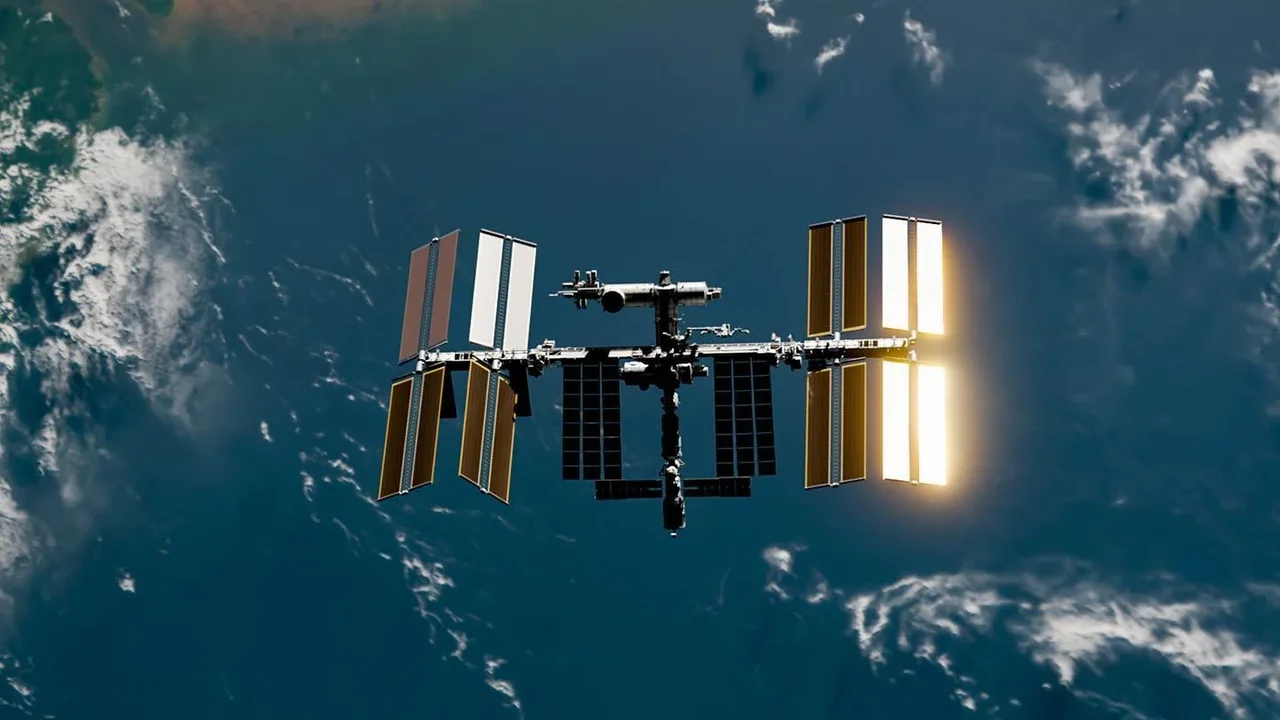
The decision to build a national space station is also a strategic one. The International Space Station (ISS), a symbol of global cooperation for decades, is nearing the end of its operational life, expected around 2030. With China's Tiangong space station already operational and closed to many international partners, India's BAS ensures the country maintains its strategic autonomy in space. An independent station elevates India's status to an elite club of spacefaring nations capable of sustained human presence in orbit. This move opens up new avenues for international collaboration on India's terms and strengthens its geopolitical standing. The BAS could serve as a hub for scientific partnership and a symbol of India's technological prowess on the world stage.
A Stepping Stone to the Moon and Beyond
The Bharatiya Antariksha Station is not just an end in itself; it's a critical stepping stone for India’s long-term space ambitions. The experience gained from building and operating an orbital outpost will be invaluable for more complex future endeavours, such as the planned crewed mission to the Moon by 2040 and eventual deep-space exploration. The technologies tested and perfected on the BAS—from life support systems to spacecraft docking—will be directly applicable to missions that take Indian astronauts far beyond low-Earth orbit. It will serve as a crucial testbed for the hardware and protocols needed to sustain human life on long journeys to the Moon, Mars, and other destinations in our solar system.
The Challenges and Milestones Ahead
The road to 2035 is filled with immense technological and logistical challenges. Assembling a modular station in orbit requires mastering complex procedures like space docking, where different modules link up perfectly. ISRO has already begun working on these technologies, including the Space Docking Experiment (SPADEX). The Gaganyaan programme, which will send Indian astronauts into space, is the foundational programme for the station, and its success is paramount. ISRO will need to execute a rapid succession of launches and operations, developing not just the station modules but also a next-generation launch vehicle to carry the heavier components into orbit. While the first module's approval marks a significant step, the coming years will be a demanding test of ISRO's capabilities.