






Watch Saturn Shine All Night
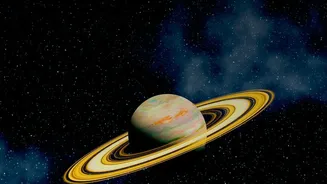
October is the prime month for viewing Saturn. The ringed planet reached opposition on October 4, which means it is at its closest and brightest for the year. For observers in India, Saturn rises in the eastern sky around sunset and remains visible throughout
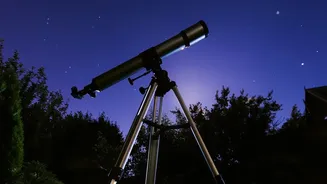
the night, appearing as a bright, steady, yellowish point of light. While you'll need a telescope to see its famous rings, its commanding presence is easily spotted with the naked eye. Look for it shining brightly all night long; a truly special sight from a city vantage point where stars can be faint.
Catch a Legendary Meteor Shower
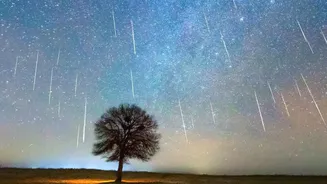
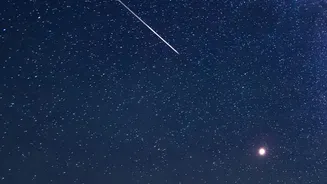
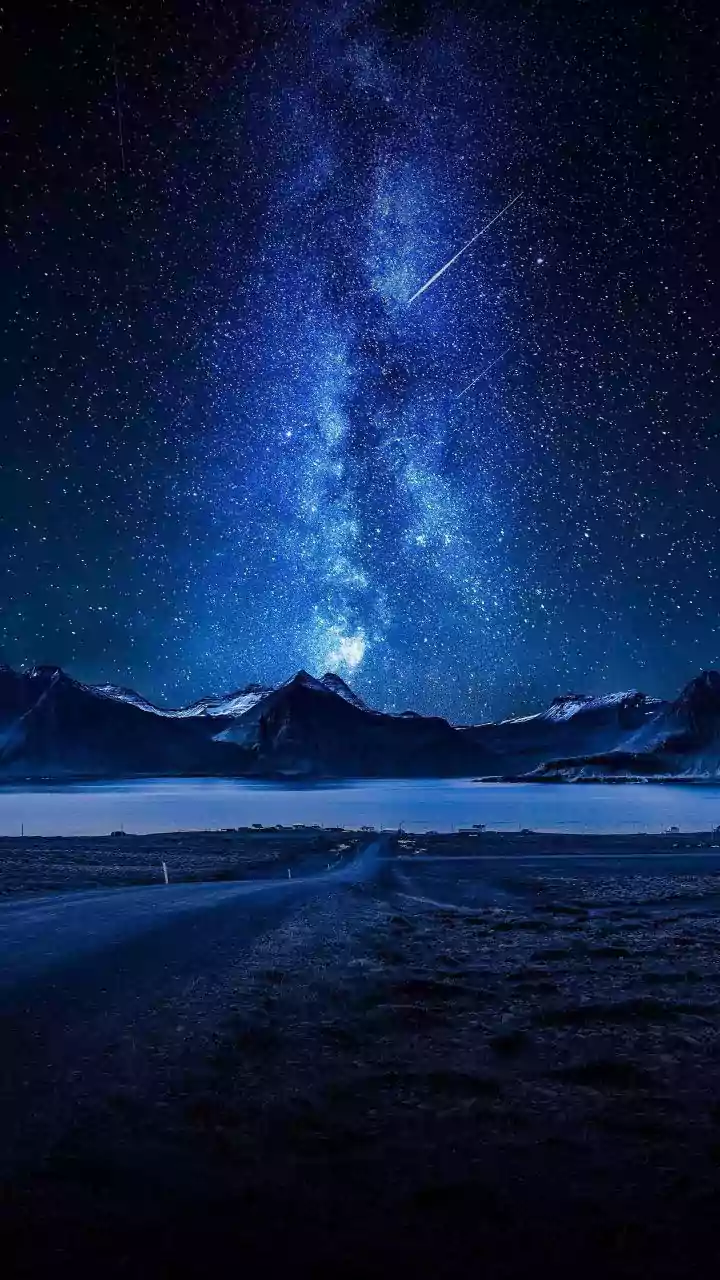
Get ready for some celestial fireworks. The Orionid meteor shower, made of debris from the famous Halley's Comet, peaks on the night of October 21-22. This shower is known for its fast, bright meteors. From a dark location, you might see up to 20 meteors per hour. While a bright moon will interfere early in the evening, it sets around 3 a.m. local time. This creates a perfect window of dark sky just before dawn to catch the show. Find a comfortable spot, let your eyes adjust for about 20 minutes, and look up. The meteors can appear anywhere in the sky.
Enjoy the Hunter's Moon
October’s full moon, known as the Hunter's Moon, will rise on the evening of October 25 and reach its peak illumination early on October 26. This full moon is named for the time of year when fields were traditionally cleared, making it easier for hunters to spot prey. For the best view, watch it rise near the eastern horizon around sunset on the 25th, when it often appears large and golden-orange. This month's full moon also coincides with Kojagiri Purnima, a festival where devotees honour the goddess Lakshmi. No special equipment is needed to enjoy this bright and beautiful lunar event.
Look for the Draconids
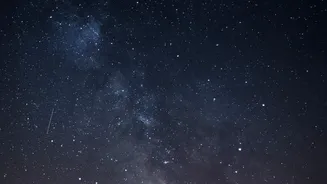
Before the Orionids arrive, you have a chance to spot the Draconid meteor shower, which peaks on the night of October 8-9. The Draconids are an unusual shower because the best time to watch is in the early evening, just after nightfall, rather than after midnight. This year’s peak is perfectly timed, as it occurs close to the New Moon, meaning the sky will be dark and free from moonlight, making even faint meteors visible. While typically a modest shower with around 10 meteors per hour, the Draconids have been known to produce surprise outbursts of hundreds of meteors, so it’s always worth a look.
Spot Migratory Birds
October is a key month for bird migration across India, as countless species travel south for the winter from their breeding grounds in Central Asia and Europe. Depending on your city, you might see flocks of birds you wouldn’t normally encounter. In coastal cities like Chennai, waders, sandpipers, and even flamingos are on the move. In places like Delhi-NCR, birders have recently spotted rare visitors like the red-tailed shrike. Even if you don't live near a wetland, keep your eyes on the sky and local parks. You might be surprised by the variety of birds passing through, from flycatchers and bee-eaters to ducks and geese making their long journey south.