





More Than Just a Doggy Door
For generations, pets have had to adapt to human homes. Their world was a collection of afterthoughts: a bowl shoved in a corner, a bed that clashes with the sofa, or a scratch post that looks glaringly out of place. That era is decisively ending. Today,
a growing movement in interior design and architecture is flipping the script. Instead of forcing our furry companions to fit into our spaces, homeowners are now redesigning their spaces to fit their companions. This isn't just about buying luxury pet products; it's about fundamentally integrating a pet’s well-being, safety, and happiness into the very blueprint of a home.
The Rise of the 'Pet-Parent'
What’s driving this shift? The primary engine is the profound change in our relationship with our pets. A global phenomenon, particularly strong among millennials and Gen Z, is the “humanisation” of pets. Many younger people, who may be delaying traditional life milestones like marriage or having children, view their pets as integral family members—or “fur babies.” This emotional bond translates directly into spending habits. In India, the pet care market is exploding, projected to grow significantly in the coming years. As disposable incomes rise in urban centres, this new generation of 'pet-parents' is willing to invest not just in premium food and vet care, but in creating an environment where their pets can thrive.
What Does a Pet-Centric Home Look Like?
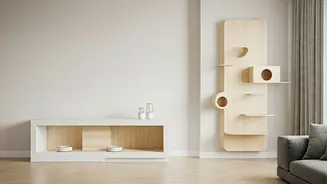
The creativity in this space is astounding and goes far beyond a simple food bowl. Architects are now incorporating dedicated 'pet zones' into their designs. Think mudrooms with built-in, waist-high dog washing stations complete with handheld sprayers and tile that can handle muddy paws. Kitchens are being designed with custom cabinetry that includes slide-out drawers for food and water bowls, keeping them tucked away and tidy. For cat lovers, designers are creating 'catios' (enclosed patios for cats) and 'cat highways'—a series of interconnected shelves, ledges, and perches that allow feline friends to survey their kingdom from above. Even material choices are being re-evaluated. Say goodbye to delicate silks and high-pile carpets, and hello to durable performance fabrics, scratch-resistant flooring like luxury vinyl tile, and non-toxic, pet-safe paints.
Designers Answering the Call
The design industry has been quick to notice this burgeoning market, which some have playfully dubbed 'barkitecture'. High-end architectural firms and interior designers now routinely include questions about pets in their initial client consultations. They inquire about the animal's breed, size, age, and habits to create a truly bespoke living solution. The goal is to design a home that is seamless, where pet-friendly features don't look like awkward additions but are part of the home's cohesive aesthetic. It's about finding the intersection of high design and practical pet ownership, proving that a home can be both beautiful and completely accommodating to its four-legged residents.
The Indian Adaptation
In Indian cities, where space can be a premium, this trend is adapting in innovative ways. While sprawling dog-washing stations might be a challenge in a Mumbai apartment, designers are finding clever solutions. This includes creating multi-functional furniture with built-in pet beds, using vertical space for cat-friendly shelving, and selecting durable, easy-to-clean materials that can withstand the humidity and an active pet. The focus is on smart, space-saving design that enhances the lives of both the pet and the owner, reflecting a deeper cultural shift where the comfort of every family member—regardless of the number of legs—is a priority.