
Catching the Last of the Perseids
The famous Perseid meteor shower had its spectacular peak around August 12-13, benefiting from a moonless sky. While the peak has passed, the shower remains active until late August. Skywatchers in areas with clear skies might still catch a few lingering
“shooting stars” in the late hours after midnight. These meteors are particles left behind by Comet Swift-Tuttle, and they burn up in our atmosphere, creating bright streaks of light. The best direction to look is towards the constellation Perseus in the northeast, but meteors can appear anywhere in the sky. The biggest challenge across much of India remains the monsoon cloud cover, but regions like Ladakh, Spiti Valley, and parts of western Rajasthan may offer clearer viewing opportunities.
Planets on Display
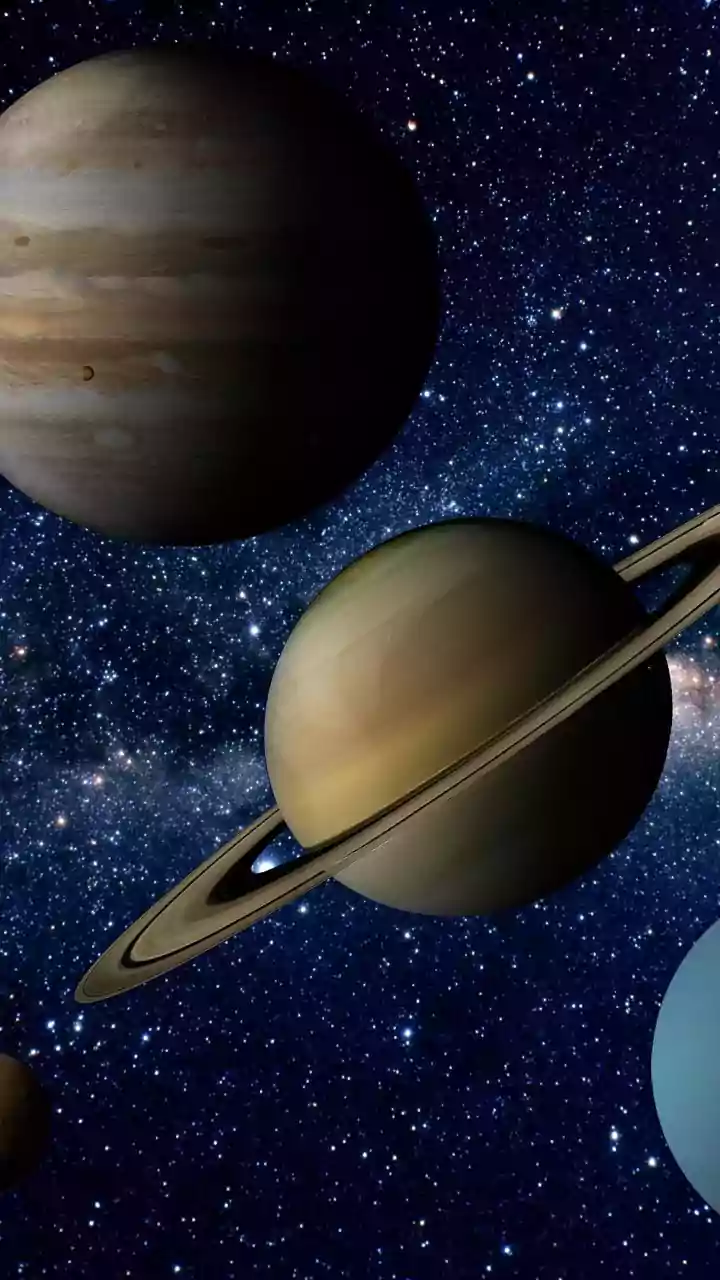
August is a great month for planet spotting. Venus will be a brilliant object in the western sky shortly after sunset. Saturn, the ringed planet, is also a prime target, visible for most of the night. While its opposition—the point where it's brightest and closest to Earth—is in early October 2026, it is already a spectacular sight through a telescope in August. Jupiter makes an appearance in the morning sky, while Mars can be spotted in the pre-dawn hours. For those new to stargazing, using a bright planet as an anchor is a great way to start navigating the cosmos.
A Tour of August Constellations
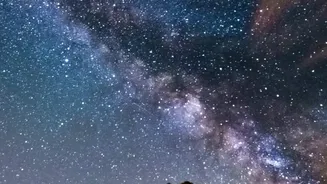
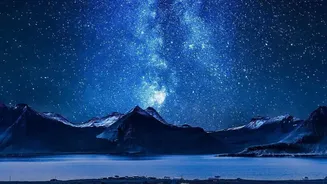
The late-summer sky is home to some of the most recognisable star patterns. High overhead, the Summer Triangle asterism is a must-see. It's composed of three bright stars—Vega in the constellation Lyra, Deneb in Cygnus (the Swan), and Altair in Aquila (the Eagle). These are so bright they can be spotted even from light-polluted areas. Looking towards the south, you might be able to see the distinctive shapes of Scorpius and Sagittarius. For those in truly dark locations, the spout of the Sagittarius “teapot” points towards the dense, glowing core of our own Milky Way galaxy, a breathtaking sight that requires no special equipment to appreciate.
Tips for the Best Viewing Experience
To make the most of your stargazing session, preparation is key. First, find a location away from city lights. Light pollution washes out fainter stars and meteors. Second, give your eyes time to adapt to the darkness; it can take 20-30 minutes for them to become fully sensitive. Avoid looking at your bright phone screen, as it will reset your night vision. If you need a light, use a red-light torch. Finally, be patient. Celestial events unfold slowly. A comfortable chair, a warm drink, and a bit of patience will go a long way in making your night under the stars a rewarding one.
Helpful Stargazing Apps
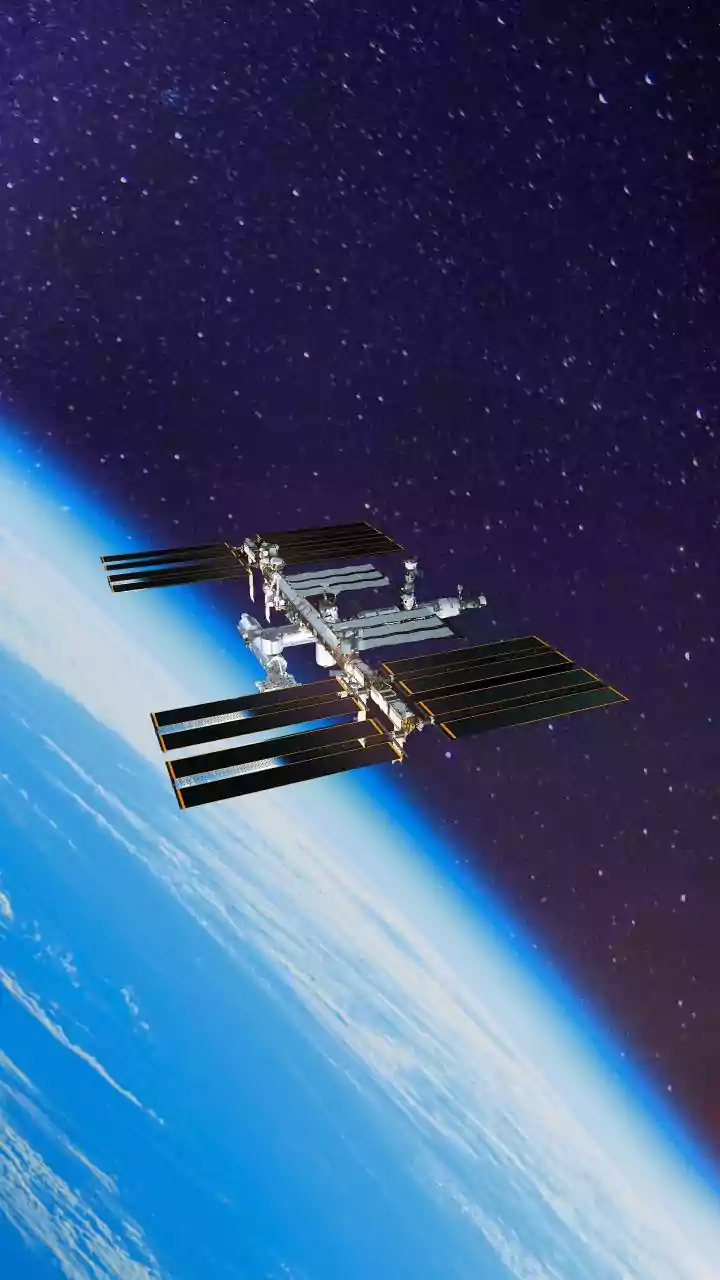
You don't need a telescope to get started, but a smartphone can be a powerful tool. Stargazing apps use your phone’s location and sensors to create a real-time map of the sky. Apps like Stellarium, SkyView, and Star Walk 2 can help you identify planets, stars, and constellations just by pointing your phone towards them. Many of these apps also have features to track satellites like the International Space Station and provide information about celestial events, making them an invaluable guide for any budding astronomer.