






What 'Clean Eating' Really Means
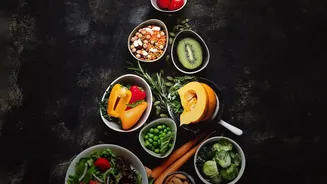
The term 'cleanse' can sound intimidating, but the principle of clean eating is simple and gentle. It’s not about deprivation or extreme diets. Instead, it's about focusing on whole foods in their most natural state. Think fresh fruits and vegetables,
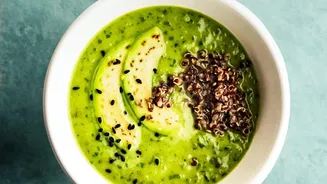
lean proteins like chicken and fish, whole grains, and healthy fats from sources like nuts and avocados. The goal is to reduce your intake of highly processed items, refined sugars, and excessive salt. By choosing foods with simple, recognisable ingredients, you're giving your body a nutrient-rich foundation, helping it function optimally without the burden of processing artificial additives. This approach isn't a punishment; it's a way to nourish and respect your body.
The Benefits of a Pre-Festive Reset
Why bother eating light before the festivities begin? Think of it as preparing for a marathon. Giving your digestive system a break with lighter meals can help it handle richer foods more efficiently later on. Eating clean for a few days can lead to better digestion, reduced bloating, and more stable energy levels, preventing the sluggishness that often comes from overindulgence. By focusing on nutrient-dense foods, you support your body’s natural detoxification pathways, like the liver and kidneys, ensuring they are in top shape for the celebrations. This isn't about 'cancelling out' future calories, but about entering the festive period feeling your best—energised, refreshed, and ready to enjoy every moment without discomfort.
Five Simple Clean Eating Tips
1. Hydrate, Hydrate, Hydrate: Start your day with a glass of water and keep sipping throughout. Proper hydration is crucial for digestion, energy, and flushing out toxins. 2. Focus on Fibre: Incorporate plenty of vegetables, fruits, and whole grains into your meals. Fibre keeps you full, aids digestion, and helps stabilise blood sugar levels. 3. Reduce Refined Sugars and Flours: Limit your intake of white bread, pastries, and sugary drinks. These can cause energy spikes and crashes. Opt for whole-grain alternatives and natural sweeteners in moderation. 4. Prioritise Lean Protein: Include sources like lentils, beans, eggs, chicken, or fish in your meals to help you feel satisfied and maintain steady energy. 5. Eat Mindfully: Pay attention to your body’s hunger and fullness cues. Eating slowly and without distractions can prevent overeating and improve digestion.
Nourishing and Light Soup Ideas
Soups are a perfect way to pack in nutrients while keeping meals light and easy to digest. They are hydrating and comforting, making them an ideal choice for a pre-festive reset. Because the ingredients are cooked and often blended, they are gentle on the stomach, allowing your digestive system to work efficiently. Here are three simple and delicious ideas to get you started.
Creamy Pumpkin and Carrot Soup
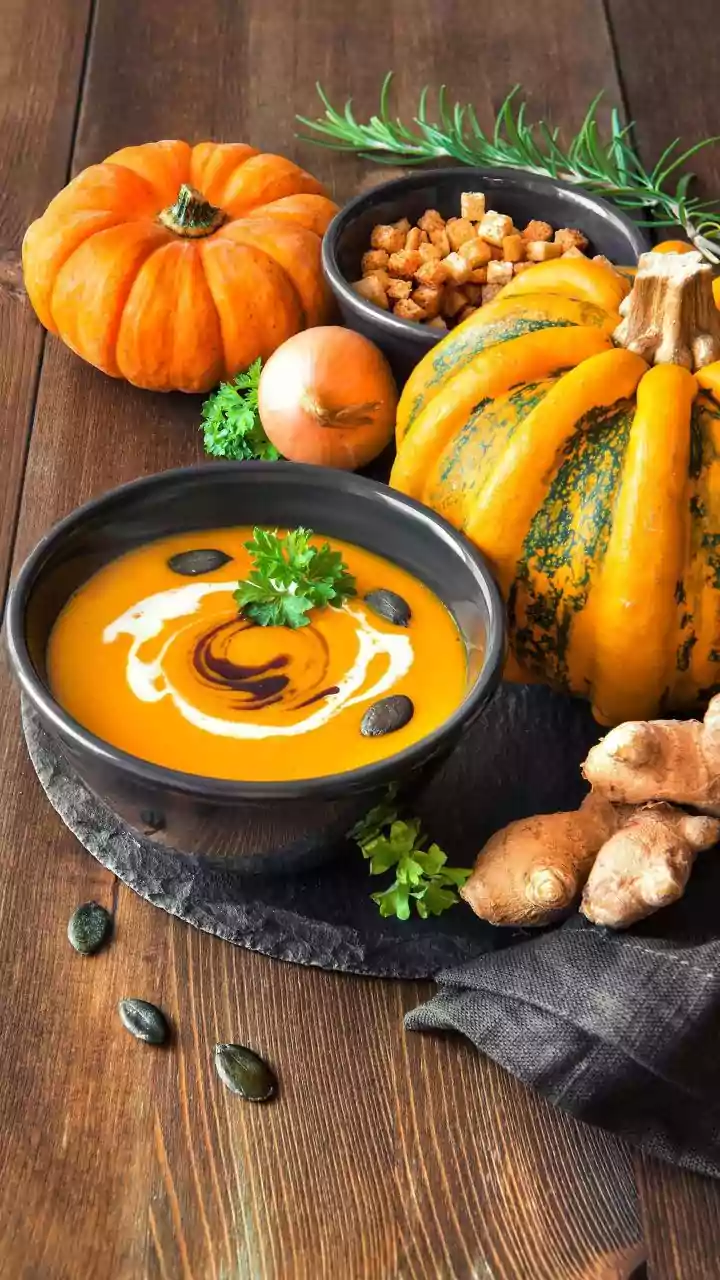
This vibrant soup is rich in beta-carotene and fibre, making it excellent for digestive health. Simply sauté chopped carrots in a pot until they begin to soften. Add pumpkin purée, vegetable broth, and a tablespoon of grated fresh ginger. Let it simmer until the carrots are tender, about 15-20 minutes. Stir in a splash of coconut milk for creaminess and a teaspoon of turmeric for its anti-inflammatory benefits. Blend until smooth and season with salt and pepper. It’s a comforting bowl that feels indulgent but remains light and nourishing.
Herbal Lentil and Vegetable Soup
For a more substantial option that is packed with plant-based protein and fibre, a lentil soup is a fantastic choice. Sauté onions and garlic in a pot, then add rinsed lentils, chopped vegetables like celery and spinach, and cover with vegetable broth. Add herbs like thyme or rosemary for flavour. Simmer for about 20-25 minutes until the lentils are tender. A squeeze of fresh lemon juice at the end brightens up the flavours. This soup is hearty enough to be a full meal, keeping you satisfied for hours.