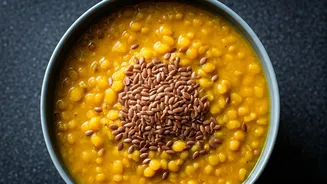





1. The Humble Dal (Lentils)
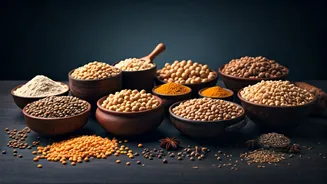
It’s the cornerstone of Indian cuisine for a reason. Lentils, in all their glorious variety—tur, moong, masoor, urad—are an unparalleled source of plant-based protein and dietary fibre. Protein is essential for muscle repair and building, while fibre aids
digestion, promotes gut health, and helps in managing blood sugar levels. A daily bowl of dal can help you feel fuller for longer, curbing unhealthy snacking. Furthermore, lentils are rich in essential minerals like iron, which is crucial for preventing anaemia, and magnesium, which supports nerve and muscle function. How to include it: The easiest way is the traditional dal served with rice or roti. But you can also sprout moong for salads, make lentil soups, or use besan (chickpea flour) to make cheelas for a protein-packed breakfast.
2. Creamy Dahi (Yogurt)
Plain, homemade yogurt is a probiotic powerhouse. Probiotics are beneficial bacteria that are vital for maintaining a healthy gut microbiome, which is linked to everything from better digestion and stronger immunity to improved mental health. Dahi is also an excellent source of high-quality protein and calcium, making it essential for strong bones and teeth. For vegetarians who don’t consume other dairy, it’s a critical nutrient source. Unlike many flavoured yogurts in the market, simple dahi is low in sugar and calories. How to include it: Enjoy a small bowl with your meals, blend it into a lassi or smoothie, use it as a base for raita, or marinate vegetables in it. It’s one of the most versatile foods you can have in your fridge.
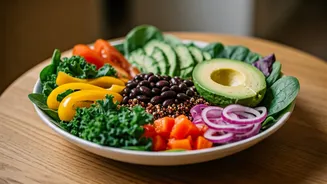
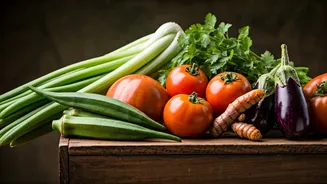
3. Versatile Leafy Greens
Think beyond just palak (spinach)! While spinach is fantastic, the world of leafy greens like methi (fenugreek), sarson (mustard greens), and amaranth leaves offers a wide spectrum of nutrients. These greens are incredibly nutrient-dense, meaning they are low in calories but packed with vitamins (A, C, K), minerals (iron, calcium, potassium), and antioxidants. Antioxidants fight cellular damage, while Vitamin K is crucial for blood clotting and bone health. Regularly consuming a variety of greens ensures you get a broad range of these micronutrients. How to include it: Finely chop and add them to your dal, sabzi, or roti dough. Wilt a handful into your morning eggs or throw them into a smoothie—you often won’t even taste them but will reap all the benefits.
4. Mighty Millets
For too long, rice and wheat have dominated our plates. It’s time to bring back ancient grains like ragi (finger millet), jowar (sorghum), and bajra (pearl millet). Millets are gluten-free, have a low glycemic index (making them great for diabetics), and are rich in fibre, protein, and essential minerals like magnesium and phosphorus. They provide sustained energy without the sharp blood sugar spikes associated with refined grains. Their high fibre content also supports digestive health and can aid in weight management. How to include it: Swap one of your wheat rotis for a jowar or ragi roti. Use millets as a substitute for rice in dishes like upma or khichdi. Ragi porridge is a classic, nutritious breakfast option.
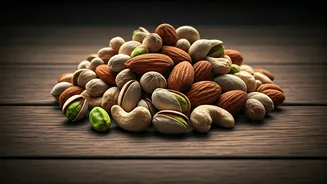
5. A Handful of Nuts and Seeds
Don't let their small size fool you. Nuts and seeds are concentrated sources of healthy fats, protein, fibre, and a host of vitamins and minerals. Almonds are rich in Vitamin E, walnuts provide omega-3 fatty acids (great for brain health), and seeds like chia and flax are fibre superstars. These healthy fats are crucial for heart health and reducing inflammation. A small, daily portion can significantly boost your nutrient intake and provide a satisfying, crunchy texture to meals. How to include it: Sprinkle a tablespoon of mixed seeds (flax, chia, pumpkin) over your yogurt, oatmeal, or salad. Keep a small jar of mixed nuts like almonds and walnuts on your desk for a healthy mid-day snack instead of reaching for biscuits.