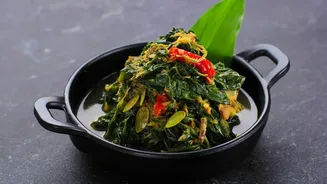

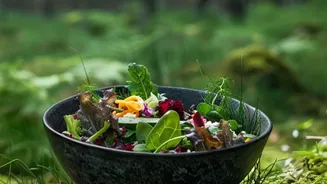
In a world moving towards mindful eating, many are looking back to traditional wisdom. Foraged wild leafy greens from Central India are stepping into the spotlight, celebrated not just for their taste but for their profound benefits to gut health.
The Return to Our Roots
Long
before kale smoothies and quinoa salads became global health staples, local communities across India thrived on the bounty of the land. In the forests and fields of Central India, a rich tradition of foraging for wild edible plants has been a way of life for centuries. These are not your average supermarket greens; they are a diverse array of leaves, shoots, and herbs that grow naturally, without human intervention. This practice, born from necessity and intimate knowledge of nature, is now being rediscovered by a new generation of mindful diners, chefs, and wellness enthusiasts who are seeking authentic, nutrient-dense, and sustainable food sources. This revival is about more than just culinary curiosity; it's a celebration of indigenous knowledge and a quest for better health, starting from the gut.
What Makes Foraged Greens Special?
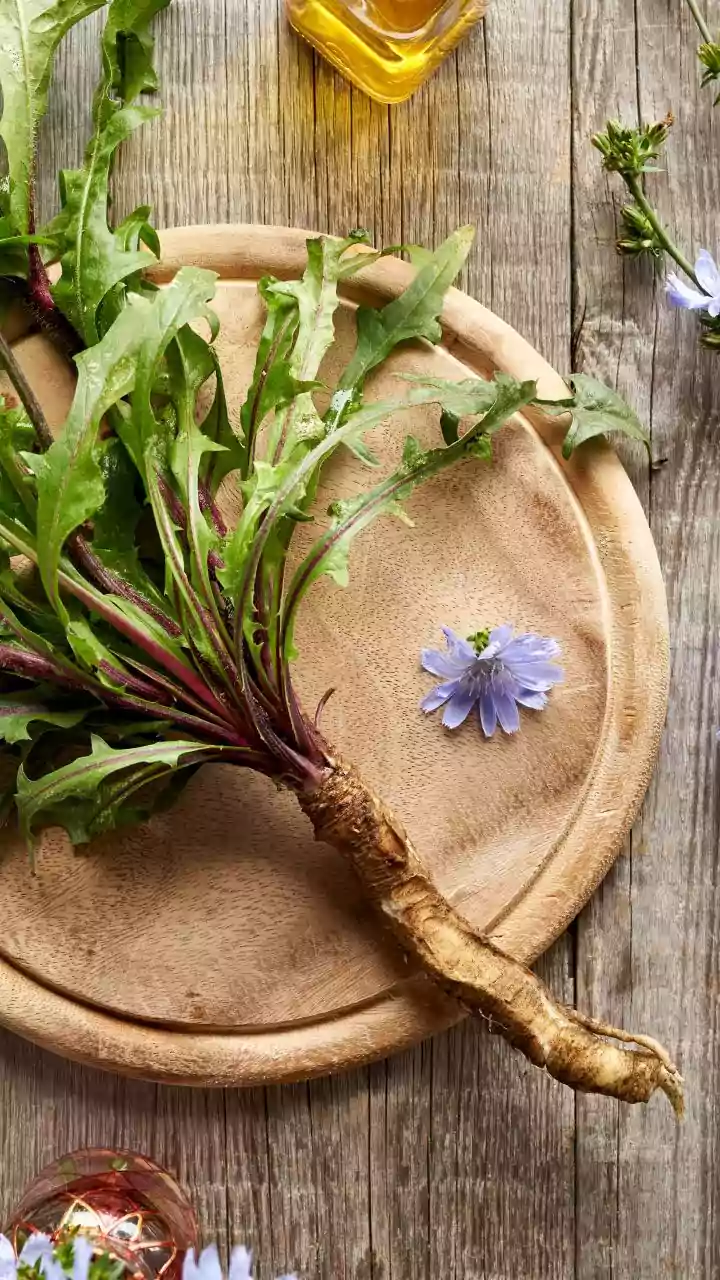
Unlike commercially cultivated vegetables, which have been bred for uniform size, yield, and shelf life, wild greens offer a staggering biodiversity. A study in Odisha alone documented over 126 different types of leafy vegetables consumed by local communities. This variety is key. Eating a diverse range of plants introduces a wide array of nutrients and compounds into our system. Foraged foods are inherently organic and grow in their natural ecosystem, developing a resilience that often translates to a richer nutritional profile. They are packed with vitamins, minerals, and phytonutrients developed to withstand environmental stressors. This natural potency is what sets them apart from their farmed counterparts and makes them a powerful addition to any diet.
The Gut Health Connection
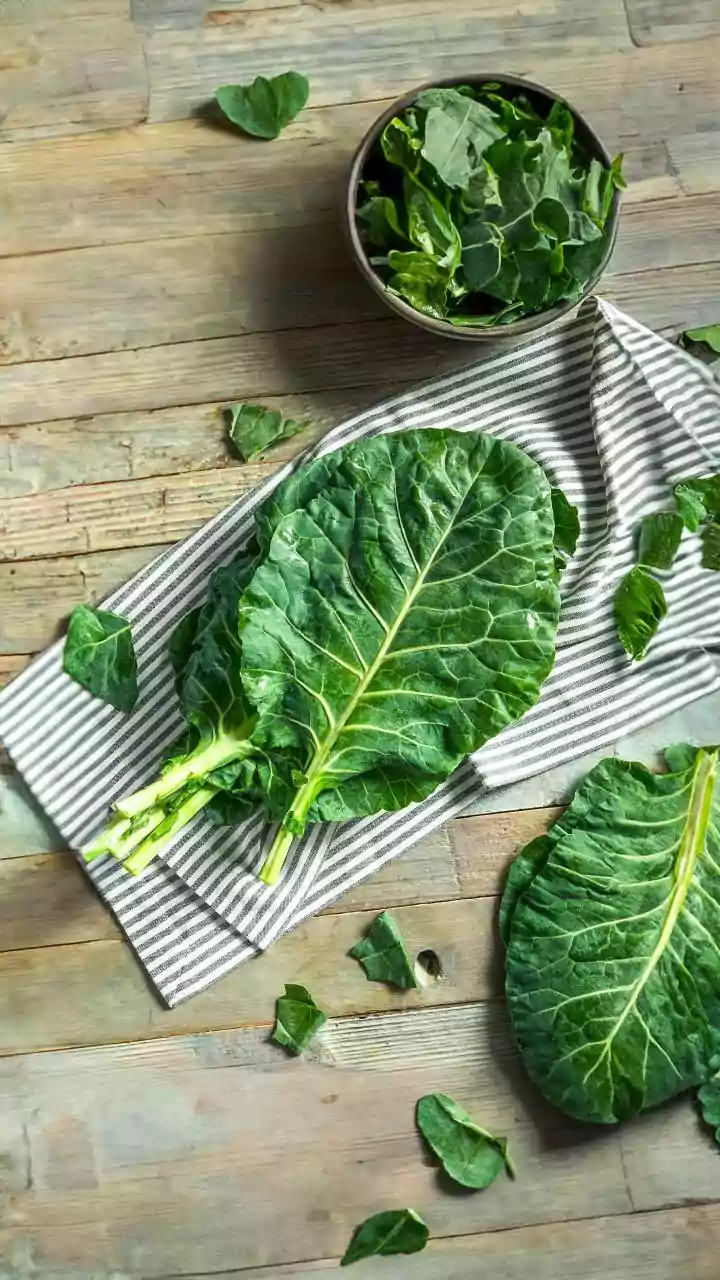
The secret to the gut-healing power of these greens lies in their rich fibre content and unique biochemical makeup. Leafy vegetables act as prebiotics, which are essentially food for the beneficial bacteria living in your gut. A healthy, diverse gut microbiome is crucial for everything from digestion and nutrient absorption to immune function and even mental well-being. Wild greens, being fibre-rich, help promote regular bowel movements and can alleviate issues like constipation. Furthermore, many of these plants contain specific compounds like polyphenols and antioxidants that help reduce gut inflammation and support a balanced microbial environment. For example, a sugar molecule called sulfoquinovose, found in green vegetables, provides a crucial food source for beneficial gut bacteria, helping them thrive.
Meet the Greens of Central India
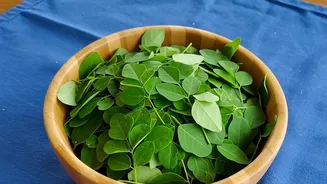
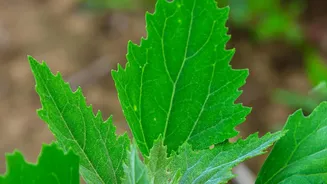
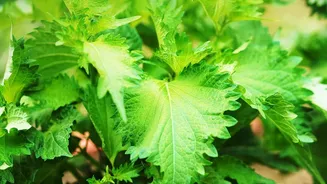
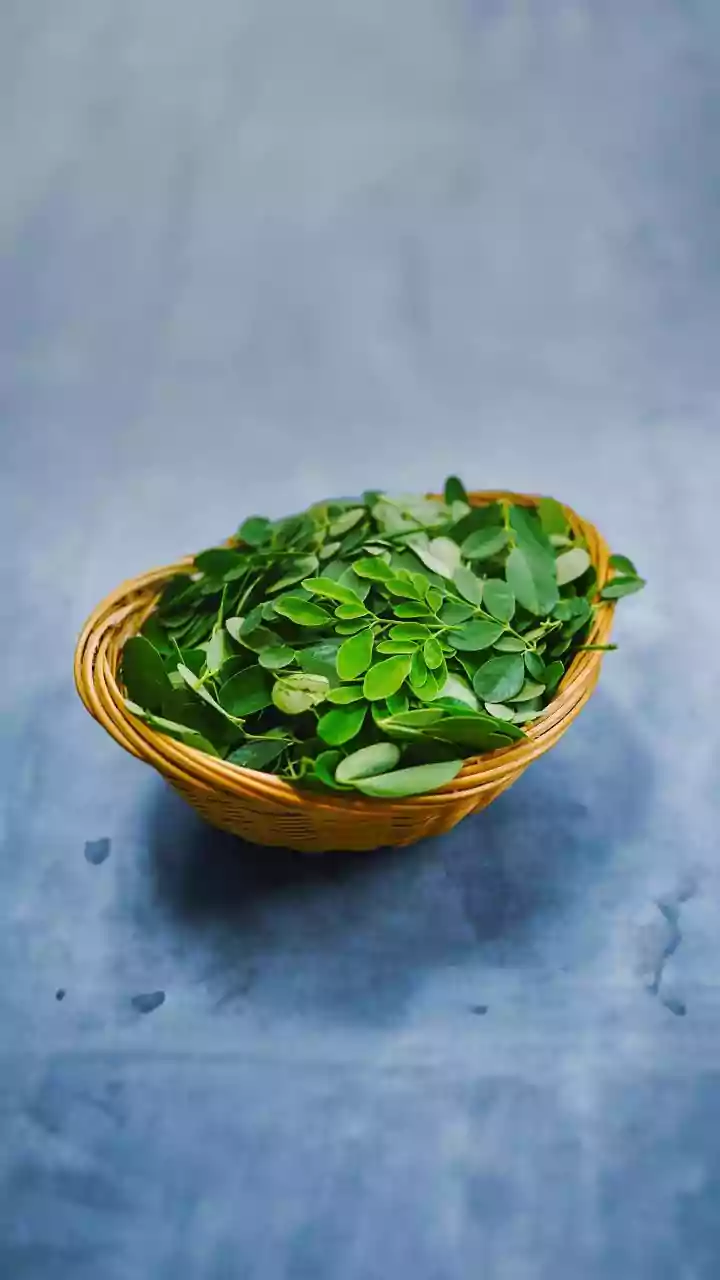
The heartland of India offers a treasure trove of edible greens, many of which have been used in traditional medicine for generations. While the list is extensive, some notable examples include various species of Amaranth (Chaulai), which is a powerhouse of protein, iron, and vitamins. Moringa leaves (drumstick leaves), often called a 'miracle tree', are celebrated for being exceptionally rich in protein, calcium, iron, and vitamin C—often containing more of these nutrients gram-for-gram than milk, spinach, or oranges. Other important greens include Bathua (Chenopodium album), known to be great for digestion, and Gongura (Roselle leaves), a tangy green popular in regional dishes that is packed with vitamins and aids digestion. Ethnobotanical studies have found that many of these greens, like Oxalis corniculata, have been traditionally used to treat gastrointestinal issues, underscoring their longstanding role in maintaining gut health.
A Mindful Choice for Modern Times
Celebrating these foraged greens is about more than just their health benefits. It represents a shift towards a more conscious and sustainable way of eating. By choosing wild, local foods, consumers support biodiversity and the preservation of traditional ecological knowledge. It's a rejection of the monoculture diet, where a vast majority of our food comes from just a handful of plant species. Foraging connects us directly to our environment and the seasons, fostering a deeper appreciation for where our food comes from. This mindful approach—valuing nutrient quality over quantity and tradition over trend—is the very essence of what it means to eat well in the 21st century. It's a delicious and powerful way to rewild our plates and, in turn, our gut.