



Sachin: The God Who Taught India to Believe
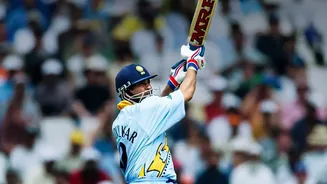
For two decades, Sachin Tendulkar was more than a cricketer; he was a national symbol of hope. Debuting as a 16-year-old prodigy in 1989, he carried the weight of a billion expectations every time he walked to the crease. In an era before India was a consistent
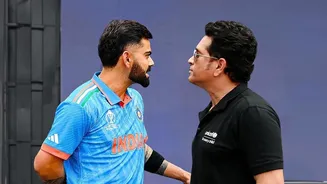
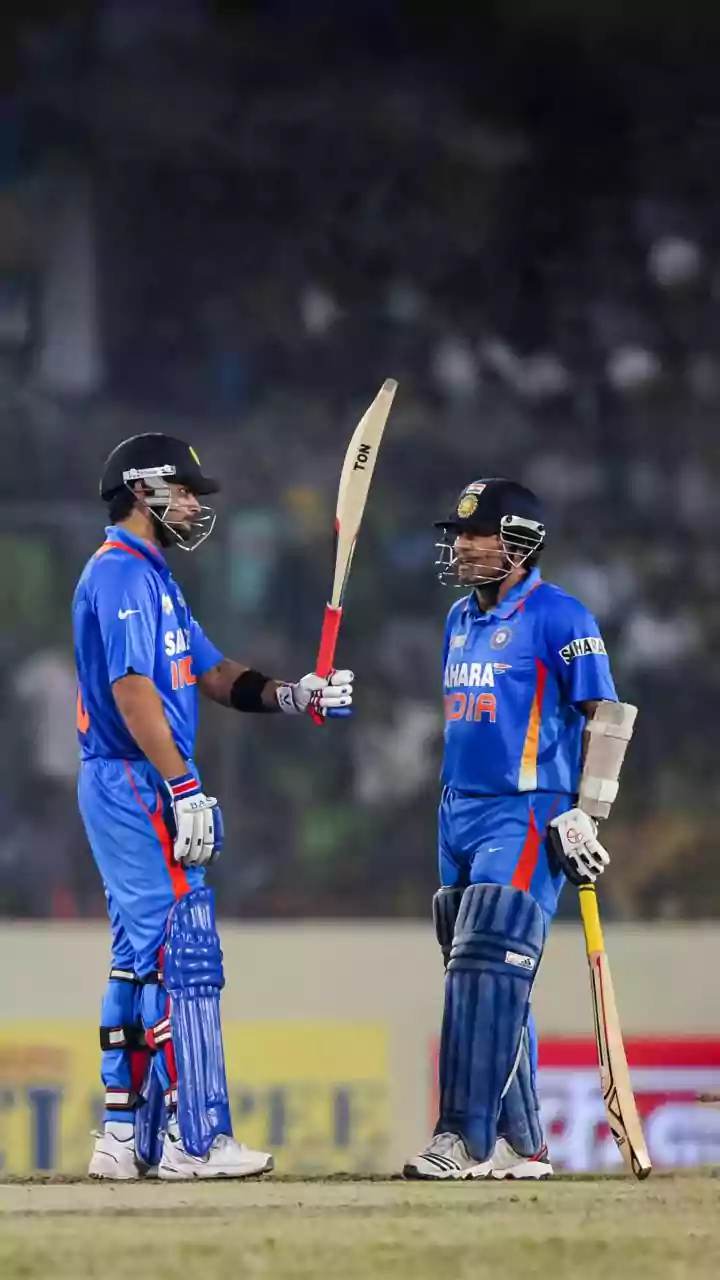
world-beating force, Tendulkar was often the lone warrior, the man who made watching cricket a collective act of prayer. His impact wasn't just in his staggering numbers—the first man to score a double century in ODIs, the only player with 100 international centuries, and the highest run-scorer in both Tests and ODIs. His true legacy was psychological. He played against the world's most ferocious bowlers with a technique so pure it felt divine, teaching a generation of fans and future players that an Indian batsman could be the best in the world. Winning the 2011 World Cup on home soil was the fairytale culmination of his career, a trophy the entire team dedicated to the man who had inspired them to play in the first place.
Dhoni: The Captain Who Taught India to Win
If Tendulkar taught India how to believe, MS Dhoni taught India how to win. Emerging from the small town of Ranchi, his story itself was an inspiration. But his primary impact was as a leader. With a calm demeanor that earned him the name 'Captain Cool', Dhoni revolutionized India's approach to pressure situations. He was a master tactician and arguably the greatest finisher the white-ball game has ever seen. His impact is best measured in silverware. He is the only captain in history to win all three major ICC trophies: the 2007 T20 World Cup, the 2011 ODI World Cup, and the 2013 Champions Trophy. He led India to the top of the Test rankings for the first time in 2009. Dhoni’s legacy lies in his ability to make brave, instinctive decisions that paid off, like promoting himself up the order in the 2011 World Cup final. He transformed a team of talented individuals into a ruthless, trophy-winning machine.
Kohli: The King Who Taught India to Dominate
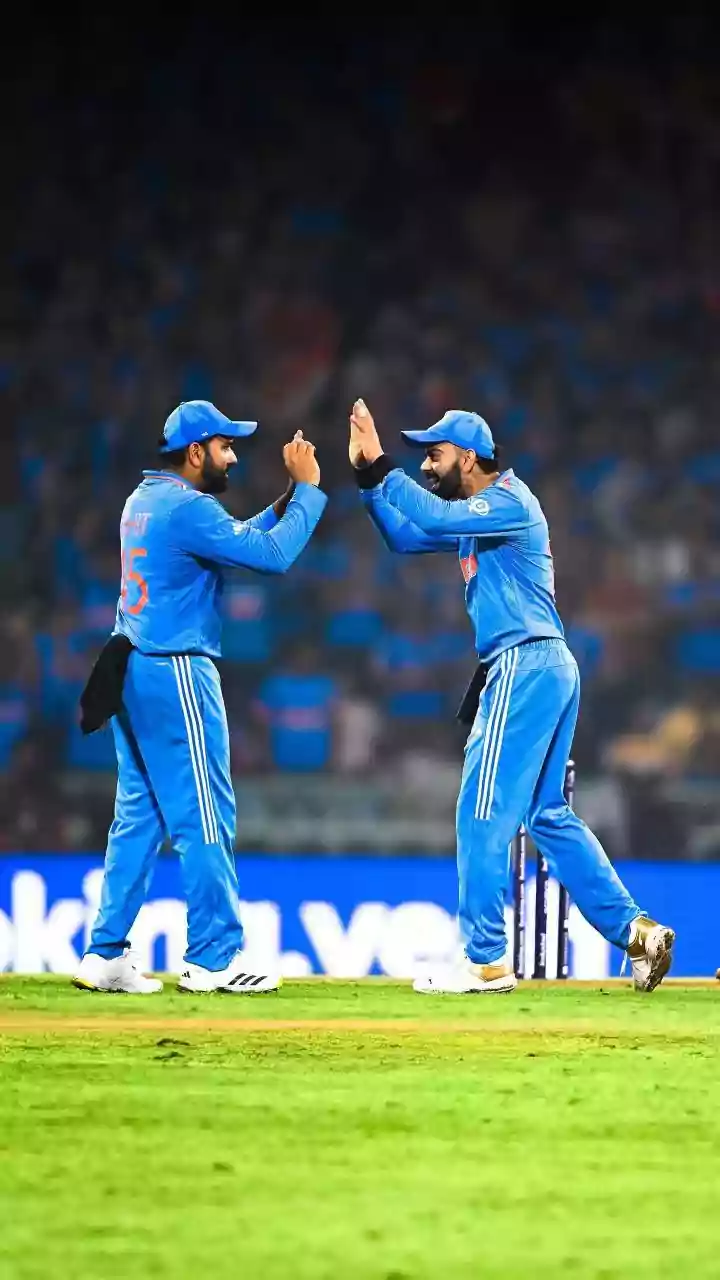
Virat Kohli inherited a team that knew how to win and injected it with a fiery, uncompromising ambition to dominate. His impact is one of peak fitness, relentless consistency, and in-your-face aggression. Kohli didn’t just want to win; he wanted to conquer, especially on foreign soil. As India's most successful Test captain, he led the team to a historic first-ever series victory in Australia in 2018-19 and kept India at the No. 1 spot in the ICC Test rankings for five consecutive years. His own batting reached superhuman levels, particularly in ODI chases, where his statistics are often considered the best in history. While Tendulkar set the standard and Dhoni delivered the cups, Kohli weaponized the team's mindset. He championed a fitness culture that transformed the physical capabilities of Indian cricketers and demanded a level of performance that made India a formidable force in every condition.
The Verdict: Three Pillars of a Dynasty
Choosing one is an impossible task because each player's impact answers a different question. Tendulkar’s impact was cultural; he was the inspiration, the figure who united a nation and gave Indian cricket its global stature. Dhoni’s impact was strategic and decisive; he was the leader who brought home the trophies and mastered the art of winning knockout games. Kohli’s impact has been transformational; he is the athlete who set new standards for performance, aggression, and fitness, turning a strong team into a dominant global powerhouse. One built the temple of Indian cricket, the other installed the deities by winning the biggest prizes, and the third built a fortress around it. Each legacy stands on the shoulders of the one before it.