




The Search for Quiet and Authenticity
The shift away from mainstream hill stations is driven by more than just a desire to avoid crowds. The phenomenon of ‘overtourism’ has left many popular destinations like Shimla, Manali, and Ooty struggling with strained infrastructure and environmental
degradation, diminishing the very peace travellers seek. In response, a growing number of Indians are embracing what some call ‘hushpitality’—a travel ethos centred on quiet, nature, and unhurried schedules. According to recent travel reports, relaxation is the top priority for a majority of Indian travellers, who are now looking for slower holidays away from urban noise. This has fueled a demand for destinations that offer genuine connection, sustainable practices, and the space to disconnect and recharge, rather than just a checklist of tourist spots.
The Western Ghats: Beyond the Obvious
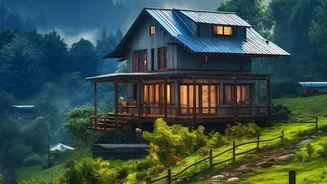
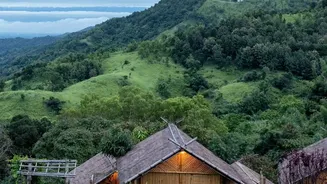
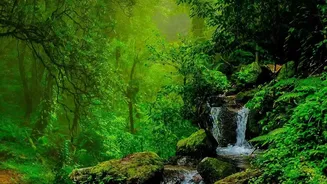
While Ooty and Kodaikanal have long been go-to spots, travellers are now exploring deeper into the Western Ghats. Destinations like Coorg in Karnataka and Wayanad in Kerala are becoming favourites for their lush coffee and spice plantations, misty hills, and a commitment to responsible travel. Instead of bustling town centres, visitors are opting for eco-friendly homestays and resorts tucked away in sprawling estates. Here, a weekend involves waking up to the sound of birds, taking guided nature walks through forests, and enjoying farm-to-table meals. These experiences offer a more intimate and sustainable way to enjoy the region’s incredible biodiversity, especially during the monsoon when the landscape turns a vibrant emerald green.
The Sahyadris: Maharashtra’s Misty Retreats
For those in Western India, the jam-packed roads to Lonavala are being traded for the serene climbs of the Sahyadri range. Places like Panchgani offer a more tranquil alternative, especially during the monsoon months. Known for its breathtaking panoramic views of the Deccan Plateau from viewpoints like Sydney Point, Panchgani provides a romantic and misty ambiance. The focus here is less on commercial tourist activities and more on soaking in the natural beauty. A drive along the Wai-Panchgani road, with its numerous viewpoints overlooking the Sahyadri ranges, becomes an experience in itself. It represents a perfect quick escape for those looking to swap noisy crowds for the quiet drama of foggy ghats and lush landscapes.
The Himalayas: Valleys Less Travelled
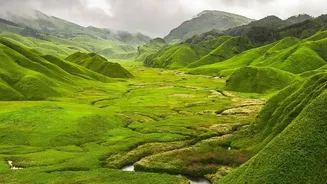
In the north, the appeal of Shimla and Manali is being challenged by quieter, more pristine valleys. Accommodation searches have seen a rise for destinations like Uttarkashi in Uttarakhand, reflecting a move towards places that offer spiritual and natural solace. Travellers are seeking out lesser-known villages in Himachal Pradesh and Uttarakhand for trekking, meditation, and a chance to experience authentic mountain life. Destinations like the Zanskar Valley, which becomes fully accessible in the summer, offer high-altitude adventure without the intense crowds of more mainstream locations. These escapes are for those who believe the journey is the destination, prioritising forest walks and quiet moments over crowded mall roads.
The Northeast: India’s Organic Oasis
The Indian Northeast, particularly Sikkim, is rapidly gaining a reputation as a premier destination for sustainable travel. As India's first fully organic state, Sikkim combines pristine Himalayan landscapes with a deep-rooted commitment to environmental preservation. Travellers are drawn to its clean air, crystal-clear lakes, and lush forests. Unlike many other mountain regions, tourism here is often managed with a focus on community benefits and eco-friendly practices. Exploring its protected areas like Khangchendzonga National Park or staying in a village homestay offers a travel experience that is both healing for the visitor and beneficial for the local environment, making it a leading example of this new, more conscious approach to travel.