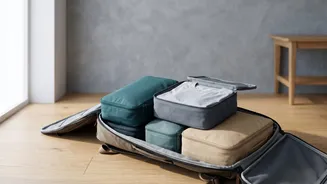





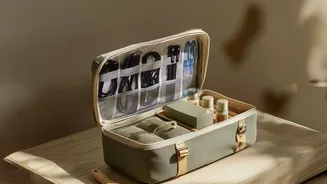
What Are Compression Cubes?
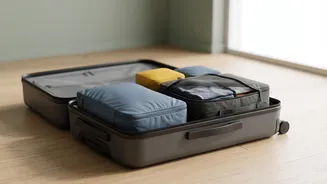
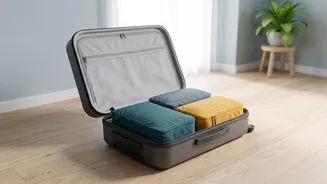
At first glance, compression cubes look like standard packing cubes: small, zippered fabric bags used to organise luggage. The key difference lies in a second, outer zipper. While regular packing cubes are primarily for organisation, compression cubes are engineered
to save space. You pack your clothes in the cube, close the main zipper, and then use the second compression zipper to squeeze the bag, forcing out excess air and reducing the overall volume of the contents. It’s a simple but highly effective mechanism.
The Science of Saving Space
The magic of a compression cube is that it tackles the biggest enemy of efficient packing: air. Bulky items like sweaters, jackets, and towels are full of air pockets that take up valuable real estate in your suitcase. By zipping the compression zipper, you are not vacuum-sealing your clothes, but mechanically pressing them together to expel that trapped air. This makes the contents denser and more compact, turning a puffy pile of clothes into a firm, stackable block that fits more easily into your luggage. The result is a significant reduction in volume, often allowing you to downsize from a checked bag to a carry-on.
Benefits Beyond Just Compression
While saving space is their main draw, compression cubes offer several other advantages. They are a fantastic organisational tool, allowing you to categorise your clothes by type (tops, bottoms, underwear) or by outfit. This means no more rummaging through your entire suitcase for a single pair of socks. Many travellers use a dedicated cube for dirty laundry, keeping it separate from clean clothes. This system not only keeps your bag tidy but also makes unpacking at your destination a breeze; you can simply transfer the cubes directly into hotel drawers. The durable, often water-resistant fabric also provides a protective layer for your garments.
Mastering the Art of the Cube
To get the most out of your compression cubes, a little technique goes a long way. Most experts agree that rolling your clothes tightly before placing them in the cube is more effective than folding. This method minimises wrinkles and maximises the amount you can fit inside. Pack the cube until it is full but not overstuffed, as straining the zipper can cause damage. Arrange items evenly to ensure the cube compresses into a flat, uniform shape. Once packed, close the main zipper. Then, slowly and carefully close the second compression zipper, using your fingers to guide any excess fabric away from the zipper teeth to prevent snagging.
A Critical Warning on Weight
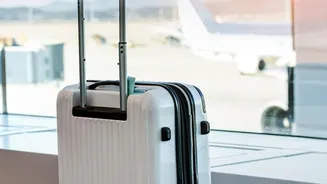
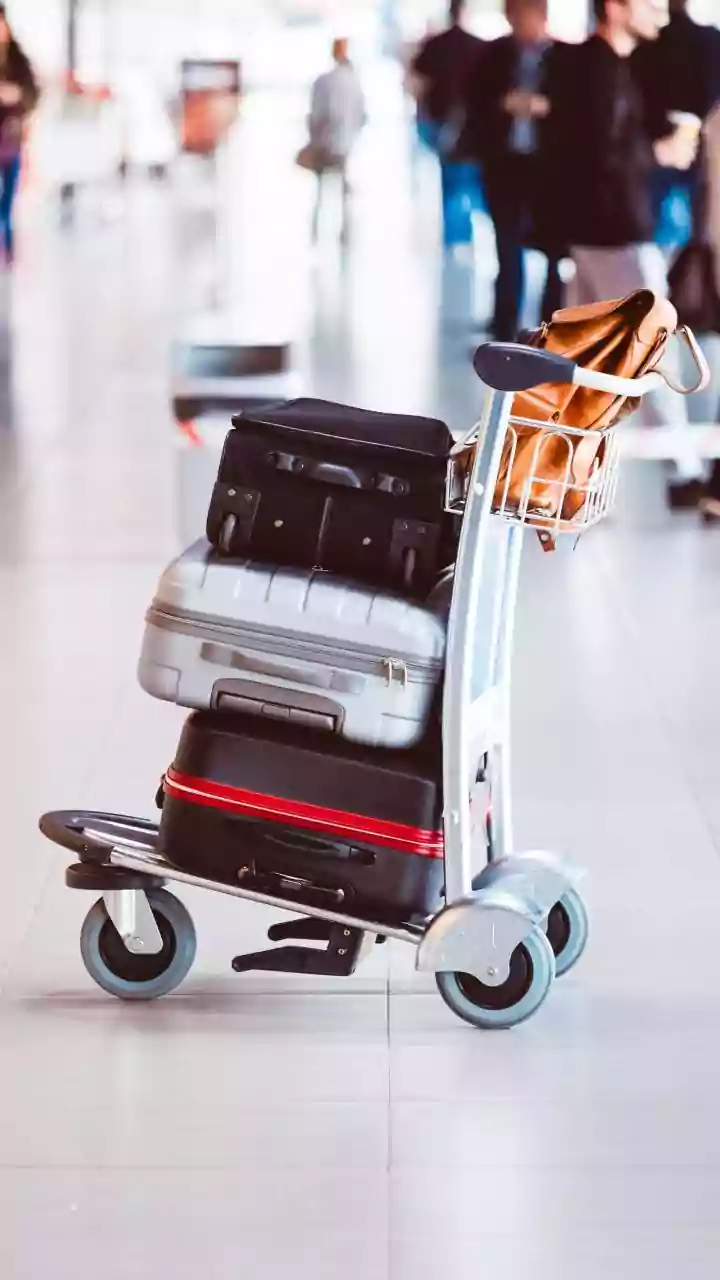
Here is the most important thing to remember: compression cubes reduce volume, not weight. A compressed sweater weighs exactly the same as a fluffy one. Because cubes allow you to pack more clothes into a small space, it becomes incredibly easy to exceed airline weight limits for cabin baggage. A bag that looks perfectly compliant in size might be several kilograms overweight. Before heading to the airport, always weigh your packed carry-on. Compression cubes are a solution for a space problem, not a weight problem. If your bag is too heavy, the only solution is to pack less, not to compress more.
Choosing the Right Cubes for You
Compression cubes come in various sizes, materials, and sets. A variety pack with small, medium, and large cubes is a great starting point for most travellers. Small cubes are perfect for underwear and socks, medium cubes for T-shirts and tops, and large cubes for bulkier items like jeans and sweaters. Look for cubes made from durable, lightweight materials like ripstop nylon or polyester. Some even feature a mesh panel for visibility or are made from water-resistant fabric, which is ideal for separating damp swimwear. Ultimately, the best set depends on your personal travel style and what you tend to pack.