





A Symphony for the Senses
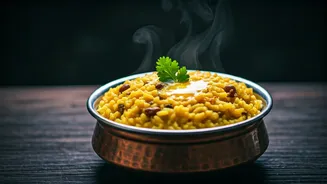
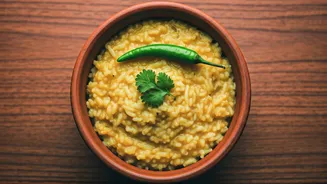
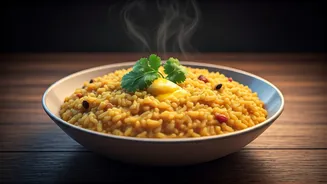
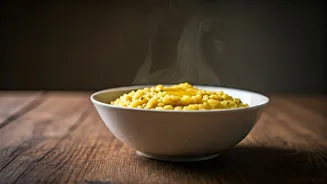
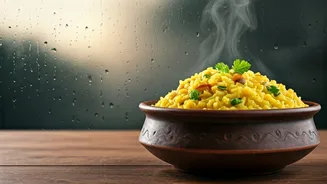
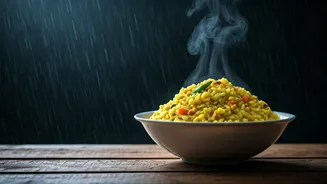
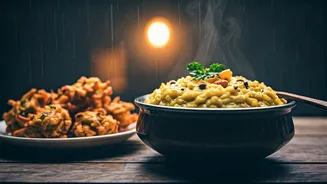
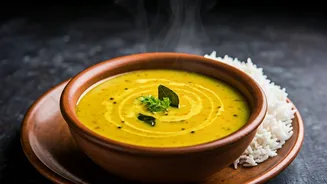
There are few culinary experiences as holistically satisfying as the first spoonful of Kadhi Chawal on a rainy day. It is a dish that engages every sense. You see the vibrant yellow of the turmeric-laced kadhi, a cheerful sun in a gloomy landscape, dotted
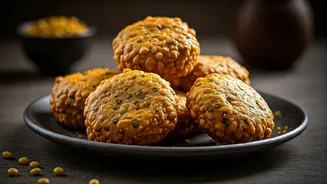
with glistening tadka and fresh coriander. You smell the earthy aroma of besan mingling with the sharp tang of yoghurt and the pungent hit of asafoetida (hing) and curry leaves. Then comes the taste: a complex dance of sour, spicy, and savoury notes. The creamy, velvety kadhi envelops the fluffy, steamed rice, creating a perfect textural contrast. And if you’re lucky enough to have the Punjabi version, the soft, spongy pakoras that have soaked up all the flavour provide a delightful interruption. It’s not just a meal; it’s a multi-sensory event, perfectly composed to counteract the damp chill of the monsoon.
The Comfort Food Equation
Why this specific dish? The answer lies in a beautiful blend of culinary science and psychology. During the monsoon, the cooler, damp weather can cause our metabolism to dip slightly. Our bodies instinctively crave warm, easily digestible foods that provide a quick energy boost. Kadhi Chawal fits the bill perfectly. The combination of carbohydrates from the rice and protein from the yoghurt and besan creates a feeling of satiety and contentment. The warmth of the dish provides literal comfort, raising our body temperature and creating a sense of cosiness. Furthermore, the probiotics in the yoghurt-based kadhi are known to be good for gut health, which is often more sensitive during this season. The spices used, like turmeric and ginger, have anti-inflammatory properties. It’s a meal that doesn’t just taste good; it makes you feel good from the inside out.
A Taste of Home, Everywhere
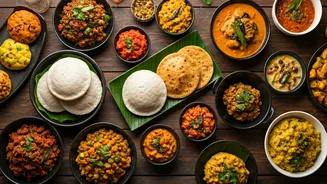
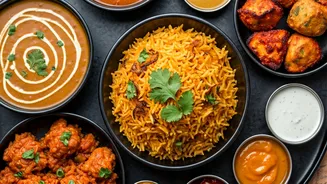
One of the greatest beauties of Kadhi is its incredible diversity, which mirrors the diversity of India itself. While the headline’s claim resonates across the country, the ‘Kadhi’ in question can be wonderfully different depending on where you are. In Gujarat, the kadhi is thin, white, and distinctly sweet, often without pakoras. Travel to Punjab, and you’ll find a thick, spicy, and sour version, loaded with fried onion or vegetable pakoras. In Rajasthan, the kadhi is often fiery and piquant, a perfect companion to bajra roti or rice. The Maharashtrian version, Solkadhi, is a light, pink-hued drink made with kokum and coconut milk, while Sindhi Kadhi is a tamarind-based version full of vegetables. Each variation is a reflection of its region's palate and produce, yet the core emotion it evokes remains the same: a feeling of home, of belonging, of comfort in a bowl.
A Spoonful of Memory
Beyond the taste and the science, the deepest reason for Kadhi Chawal’s reign as the monsoon king is nostalgia. For millions, it is the ultimate ‘Maa ke haath ka khana’. It is the flavour of childhood sick days, of rainy afternoons spent indoors, of family lunches where a simple meal felt like a grand feast. The process of making it—the slow simmering, the fragrant tadka sizzling in ghee—is often as memorable as eating it. That single bowl of food carries with it the weight of countless happy memories and the unspoken love of the person who cooked it. It’s a culinary time machine that transports us back to a simpler, safer time. Eating Kadhi Chawal is not just nourishing the body; it is nourishing the soul with the warmth of the past.