

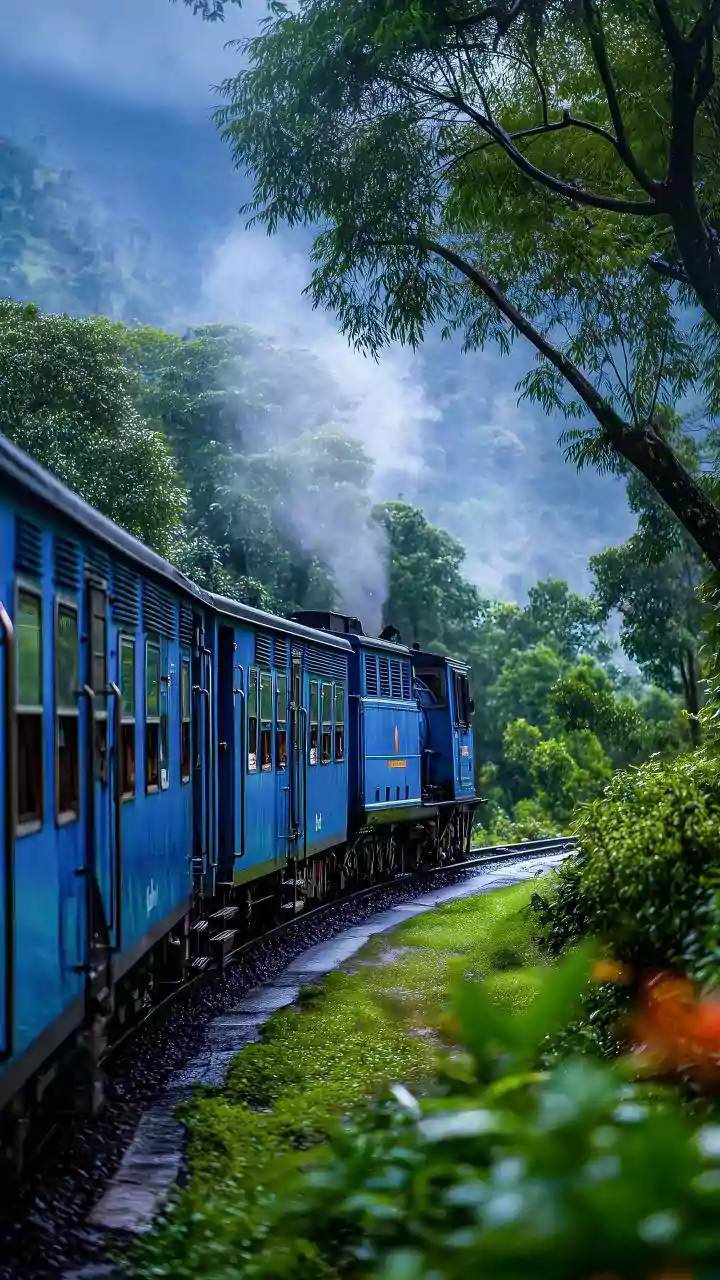



The Heart of India's Tea Country
Jorhat, often called the 'Tea Capital of India', is at the centre of a quiet revolution in travel. For decades, its identity has been tied to the production of robust, malty Assam tea. But now, it's transforming from a mere production hub into an immersive
destination. With around 135 tea gardens, the region's history is steeped in the legacy of the British planters and the Ahom dynasty that preceded them. This rich backdrop provides the perfect setting for a new kind of tourism, one that goes beyond sightseeing to offer a taste of a planter's life.
What a Tea Trail Really Involves
The term 'tea trail' is more than just a marketing buzzword; it's a complete sensory journey. The experience invites travellers to walk through verdant plantations, interact with tea pluckers, and understand the meticulous process of cultivating the perfect leaf. Many trails include a guided tour of a tea factory, where visitors witness the journey from fresh leaf to dried brew, covering processes like withering, rolling, and oxidation. The highlight for many is the tea tasting session, where experts guide you through the nuances of different flushes and varieties, from strong CTC to delicate orthodox teas. This 'pluck-to-cup' experience connects visitors to the beverage in a profound way.
A Stay Steeped in History
Perhaps the most enchanting part of Jorhat's appeal is the accommodation. Many historic tea estates have restored their colonial-era managers' bungalows, opening them to guests. These sprawling structures, like Thengal Manor and the Burra Sahib Bungalow at Kaziranga Golf Resort, feature vintage furniture, high ceilings, and wide verandas offering panoramic views of the gardens. Staying in these heritage bungalows allows travellers to step back in time and experience the gracious, unhurried lifestyle of a bygone era. It’s this blend of colonial elegance, personalized service, and serene nature that elevates a simple trip into a memorable retreat.
The Rise of Slow, Experiential Travel
The growing popularity of Jorhat's tea trails reflects a broader shift in what Indian tourists are seeking. In a post-pandemic world, there is a clear move away from rushed, checklist-driven holidays towards slower, more meaningful travel. Recent data shows a remarkable growth in Assam's tourism sector, with a significant rise in domestic visitors looking for authentic experiences. Jorhat’s offering of nature, heritage, and culture fits this demand perfectly. It provides an escape from urban chaos and a chance to connect with local traditions and serene landscapes, a combination that resonates deeply with the modern discerning traveller.
Beyond the Emerald Gardens
While tea is undoubtedly the main attraction, Jorhat’s strength as a destination is bolstered by its proximity to other significant sites. A short ferry ride away is Majuli, the world's largest river island and a hub of Vaishnavite culture with its unique 'Satras' or monasteries. For wildlife enthusiasts, the Hoollongapar Gibbon Sanctuary, home to India's only ape species, offers a thrilling excursion. The historic town of Sivasagar, with its ancient Ahom kingdom monuments, is also easily accessible. This variety ensures that a trip to Jorhat can be a well-rounded itinerary, blending relaxation, culture, and adventure.