



Beyond the Hype Bubble
Remember the era of goji berries, acai bowls, and Peruvian quinoa? For a while, it seemed true health could only be imported. But many are now experiencing 'superfood fatigue,' tired of the high costs, questionable supply chains, and the feeling that
local food wisdom was being ignored. The new wellness trend isn't a trend at all; it's a return to our roots. It's about recognising that the most potent health boosters aren't found on a far-off continent but in our own pantries and markets. This shift is about accessibility, sustainability, and the powerful realisation that our grandmothers knew a thing or two about nutrition.
Meet the Mighty Millets
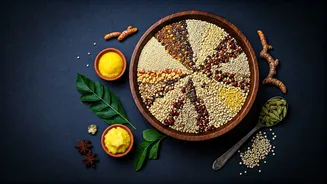
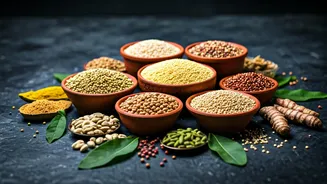
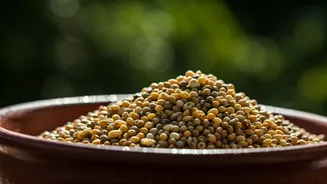
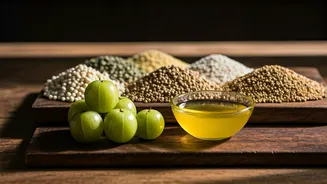
Once dismissed as 'coarse grains,' millets like jowar (sorghum), bajra (pearl millet), and ragi (finger millet) are staging a spectacular comeback. These ancient grains are nutritional powerhouses. Naturally gluten-free, they are packed with fibre, which aids digestion and helps manage blood sugar levels. Ragi is a fantastic source of calcium, crucial for bone health, while jowar and bajra are rich in iron and protein. They are also incredibly versatile, easily transformed into rotis, dosas, porridges, and even baked goods. As climate-resilient crops, they are as good for the planet as they are for our bodies.
Amla: The Original Vitamin C Bomb
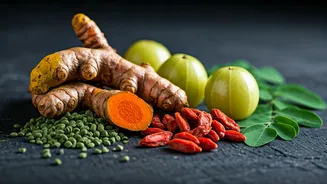
Long before vitamin C tablets existed, we had amla. The humble Indian gooseberry is one of the most potent sources of Vitamin C on the planet, containing far more than an orange. This incredible antioxidant content helps boost immunity, fight off free radicals, and promote glowing skin and healthy hair. Traditionally consumed as a murabba, pickle, juice, or simply raw with a sprinkle of salt, amla is a true multi-tasker. Its antibacterial and anti-inflammatory properties make it a cornerstone of Ayurvedic medicine, proving that this sour little fruit is a heavyweight champion of wellness.
Turmeric and Ghee: The Golden Duo
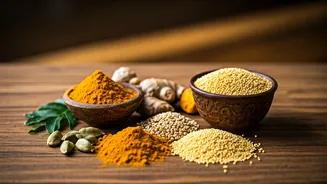
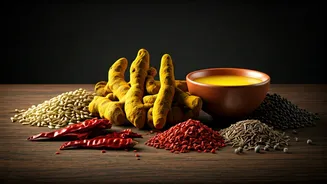
Haldi-doodh isn't just a comforting drink; it's a masterpiece of food synergy. Turmeric’s active compound, curcumin, is a powerful anti-inflammatory, but its benefits are notoriously hard for the body to absorb. This is where ghee comes in. The healthy fats in ghee (and the piperine in black pepper, often added to the mix) significantly increase the bioavailability of curcumin. This golden duo, a staple in Indian cooking, works together to reduce inflammation, support joint health, and boost overall immunity. It’s a perfect example of how traditional food pairings contain an innate scientific wisdom.
Moringa: The Neighbourhood Miracle Tree
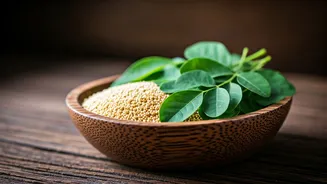
That drumstick tree (Moringa oleifera) growing in your neighbourhood is one of the most nutrient-dense plants in the world. Its leaves, pods (the drumsticks in your sambar), and flowers are all edible and packed with goodness. Moringa leaves are a complete protein source, containing all nine essential amino acids, along with significant amounts of iron, calcium, and Vitamins A and C. It’s a true one-stop-shop for nutrition, helping to combat fatigue, strengthen bones, and improve skin health. Whether in a soup, dal, or a simple stir-fry, incorporating moringa is an easy way to supercharge your meal.
Don't Forget Dal and Pulses
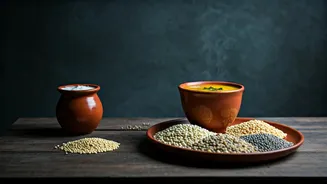
Perhaps the most basic superfood of them all is the one we eat almost every day: dal. Lentils, chickpeas, and beans are the backbone of Indian vegetarian cuisine for a reason. They are affordable, accessible, and loaded with plant-based protein, complex carbohydrates, and dietary fibre. This combination keeps you full for longer, provides sustained energy, and supports a healthy gut. From simple dal tadka to complex dals like makhani or panchratna, this humble food group is a non-negotiable part of a balanced and powerful diet.