





More Than Just Lying Down
Savasana, which translates from Sanskrit as 'Corpse Pose', might look like you're simply lying on the floor, but it’s one of the most important and challenging poses in yoga. [3, 16] It's a practice of conscious relaxation, where the goal is to remain
aware while allowing the body to be completely still. [16, 25] This pose is traditionally practiced at the end of a yoga session to help the body integrate the benefits of the physical practice, but it serves as a powerful standalone tool for stress management. [3, 9] By intentionally surrendering to stillness, you give your body and mind permission to let go of the accumulated tension from the day. [9, 13]
The Science of Stillness
The magic of Savasana lies in its effect on the nervous system. Throughout a busy workday, we often operate in a state of sympathetic nervous system activation—our 'fight-or-flight' mode. [2] Savasana helps shift us into the parasympathetic nervous system, also known as the 'rest-and-digest' mode. [1, 2] This deliberate state of relaxation can lower heart rate, reduce blood pressure, and decrease levels of the stress hormone cortisol. [1, 4, 9] Regular practice helps the body become more efficient at making this shift, building resilience to everyday stressors and promoting better overall health, including improved immune and digestive function. [6, 16]
How to Practice Corpse Pose
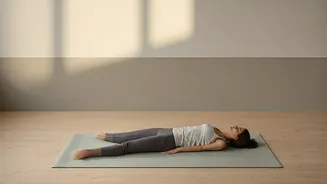
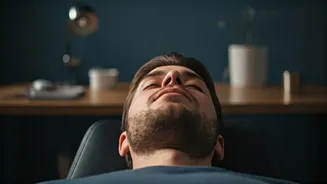
Finding your moment of reset is simple. Lie flat on your back on a comfortable, firm surface. [8] Allow your legs to be hip-width apart or wider, letting your feet fall open naturally. Rest your arms alongside your body, a little distance away, with your palms facing up. [20] Gently tuck your chin toward your chest to lengthen the back of your neck. [5] Close your eyes and let your entire body feel heavy, supported by the floor beneath you. [17] Bring your awareness to your breath without trying to change it, simply observing the natural rise and fall of your abdomen. [20]
Making Your Ten Minutes Count
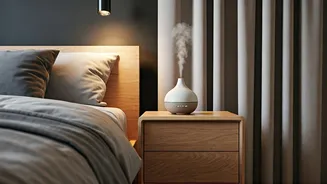
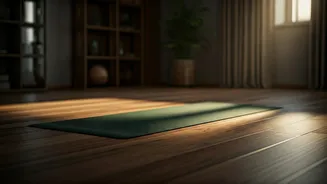
For many, staying still is the hardest part. [17, 23] If you find your mind wandering, gently guide your focus back to the sensation of your breath. [7] To enhance comfort, you can place a rolled blanket under your knees to ease any lower back tension, or a thin cushion under your head. [7, 14] Dimming the lights and ensuring you won't be disturbed can also make a significant difference. If you're feeling cold, cover yourself with a light blanket. [18] The goal is to create a safe, comfortable space where you can fully surrender to relaxation for at least five to ten minutes. [4]
Beyond the Post-Work Reset
The benefits of a consistent Savasana practice extend far beyond immediate stress relief. It cultivates a greater sense of mindfulness and body awareness that can carry over into your daily life. [3, 5] Many people find that regular practice improves focus, aids in better sleep quality, and helps with emotional regulation. [1, 4] By giving yourself this small window of deep rest, you’re not just recovering from the day; you are actively recharging your mental and physical batteries, leaving you more centred, calm, and ready for whatever comes next. When you're ready to come out of the pose, do so slowly. Wiggle your fingers and toes, and gently roll onto your right side before pushing yourself up to a seated position. [7, 22]