






The Modern Malaise of Burnout
Burnout has become a defining issue for a generation navigating a perfect storm of economic pressures and an 'always-on' digital culture. It's more than just stress; it's a state of emotional, physical, and mental exhaustion caused by prolonged overload.
In India, this is particularly acute in high-pressure sectors where long hours are standard and the line between work and home has vanished. Symptoms often manifest as persistent fatigue, brain fog, anxiety, digestive issues, and a feeling of detachment. For many millennials, this exhaustion isn't just a work problem—it's a life problem, quietly draining the joy from careers, relationships, and personal time.
The Wisdom of the Monsoon Season
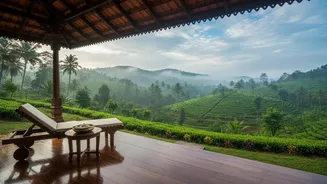
While many travellers avoid the rains, Ayurvedic physicians have for centuries considered the monsoon season, or 'Karkidakam', the most potent time for healing. The logic is both simple and profound. During the monsoon, the atmosphere is cool, humid, and dust-free. This unique climate naturally softens the skin and opens the pores, making the body more receptive to therapeutic treatments. Medicated oils used in therapies like Abhyanga (oil massage) can penetrate deeper into the tissues, enhancing their effectiveness. The cool weather also helps the body retain the warmth from treatments, allowing them to work for longer. It's a season when the environment itself becomes a partner in the healing process.
More Than a Massage: A Systemic Reset
A traditional Ayurvedic retreat is not a spa vacation; it’s a structured, personalised healing program. The cornerstone is often Panchakarma, a series of five therapeutic procedures designed for deep detoxification. From an Ayurvedic perspective, burnout is caused by an accumulation of toxins (ama) and an aggravation of Vata dosha, the energy governing the nervous system. Panchakarma therapies like Shirodhara, where a steady stream of warm oil flows onto the forehead, are designed specifically to calm the nervous system, reduce anxiety, and improve sleep. This systemic cleanse helps break the cycle of stress and exhaustion that defines modern burnout.
Food as Medicine and Digital Detox
A key part of the healing process is the diet. Ayurvedic retreats serve personalised, 'sattvic' meals that are warm, cooked, and easy to digest, designed to rekindle the digestive fire ('agni') and rebuild vitality ('ojas'). This often involves avoiding stimulants like excessive caffeine and processed foods that contribute to burnout. A special medicinal rice gruel called Karkidaka Kanji is a staple during this season, packed with herbs to boost immunity and aid digestion. Equally important is the environment. These retreats enforce a much-needed digital detox, allowing the overstimulated mind to rest. By stepping away from screens and deadlines, the nervous system can shift from a 'fight-or-flight' state to 'rest-and-digest' mode, enabling true recovery.
An Antidote for Modern Ailments
The principles of Karkidaka Chikitsa align perfectly with the needs of a burned-out millennial. The constant screen time leading to tired eyes and neck pain finds relief in therapies designed to soothe the nervous system. The mental fog and anxiety are addressed through meditation, yoga, and grounding rituals. The poor eating habits born from a hectic lifestyle are corrected with a nourishing, mindful diet. It’s a holistic system that doesn’t just treat symptoms but addresses the root causes of imbalance that are so prevalent in modern life. The experience is designed to be a complete reset, restoring balance to the body and mind.