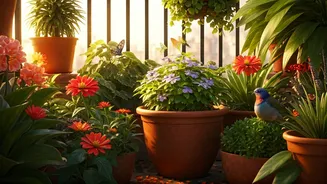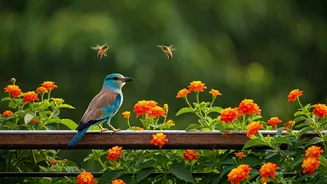




Why Native Plants Are Your Secret Weapon
Before we dive into specifics, let's understand the 'why'. Native plants are species that have grown in our region for centuries. Local birds, from the humble sparrow to the dazzling sunbird, have evolved alongside them. These plants provide the right
kind of food (nectar, fruits, seeds) and shelter at the right time of year. They are also naturally adapted to our climate, meaning they require less water, fewer pesticides, and less fuss overall. By choosing native greenery, you're not just decorating your space; you're rebuilding a small, vital piece of a local ecosystem.
Embrace the Hibiscus (Gudhal)
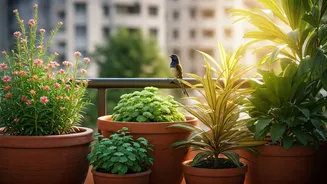
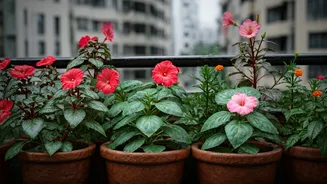
The vibrant, trumpet-shaped flowers of the hibiscus are more than just a pretty sight; they are a five-star restaurant for nectar-loving birds. Purple-rumped Sunbirds and Oriental White-eyes are frequent visitors, using their slender beaks to sip the rich nectar. Hibiscus plants are hardy and thrive in pots with plenty of sunlight. A regular watering schedule and a spot on a sunny balcony are all they need to produce a steady supply of blooms. Both native single-petal and hybrid varieties work well, offering a splash of colour and a guaranteed food source.
Plant a Curry Leaf Tree (Kadi Patta)
This kitchen essential is a powerhouse for attracting birds. While we love the leaves for our tadkas, birds are drawn to it for two reasons. First, the plant attracts tiny insects, which provide a protein-rich meal for birds like bulbuls and warblers. Second, when the plant matures and flowers, it produces small, dark berries that are an absolute favourite of Red-whiskered Bulbuls and Asian Koels. A curry leaf plant is easy to grow in a medium-to-large pot and prefers a sunny spot. It’s a win-win: fresh leaves for your cooking and a feast for your feathered friends.
Sow Marigolds (Genda) for Seeds
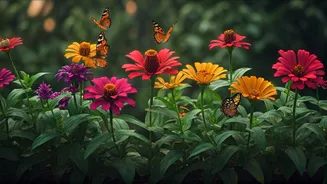
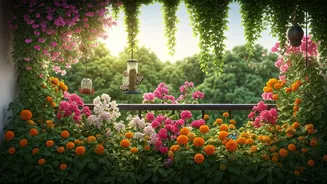
Often used in festivals and garlands, the cheerful marigold is a fantastic choice for attracting seed-eating birds. Once the bright orange and yellow flowers fade and dry out, they become a treasure trove of seeds. Sparrows, silverbills, and other small finches will happily perch and pick at the dried flower heads. Marigolds are incredibly easy to grow from seed, even in small pots or window boxes. Simply let some of the blooms 'go to seed' on the plant instead of deadheading them, and you'll create a natural bird feeder.
Cultivate Jasmine (Mogra/Chameli)
The intoxicating fragrance of jasmine isn't just for us to enjoy. While not a primary food source, climbing varieties of jasmine provide something equally important: shelter and nesting sites. The dense foliage offers a safe place for small birds like tailorbirds and sunbirds to hide from predators and the harsh sun. It also provides a secure structure for them to build their tiny, intricate nests. Plant jasmine in a larger pot with a trellis or support to climb, and you’ll be providing a safe home in the urban landscape.
Don’t Forget the Water
The single most effective way to attract birds, besides plants, is to offer a clean source of water. In the heat and dust of an Indian city, a shallow bowl of water is a lifeline. Birds use it for drinking and bathing, which helps them keep their feathers in top condition. A simple earthen-ware 'matka' lid or a shallow dish placed in a shaded, safe spot will do the trick. Ensure the water is shallow (no more than an inch or two deep) and change it daily to keep it fresh and prevent mosquito breeding. Place a few pebbles or a small stone in it to provide a non-slip perch.