





Why You Should Venture Inland
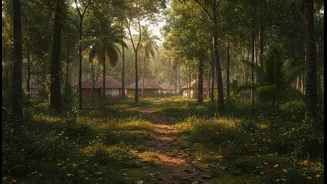
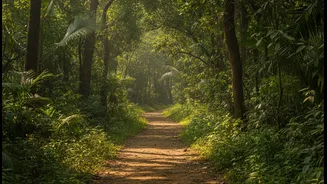
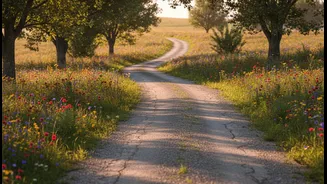
While Goa's coastline is legendary, its soul resides in the verdant hinterlands. A short drive from the coast, the scenery transforms from sandy shores to dense forests, quiet villages, and rolling hills. This is the Goa of the locals, where life moves
at a slower pace, mornings are greeted by church bells and birdsong, and traditional bakeries serve fresh poi bread. Exploring these inland trails offers a peaceful escape and a chance to connect with the state's rich biodiversity and cultural heritage, from ancient temples and Portuguese-era homes to spice plantations and tranquil waterfalls.
The Best Season for a Hinterland Adventure
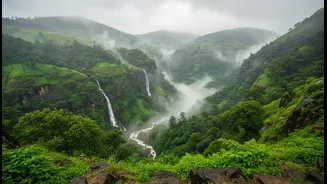
Timing is everything when planning your inland journey. The post-monsoon and winter months, from November to February, are widely considered the best time to visit. During this peak season, the weather is pleasantly cool and dry, with clear skies perfect for trekking and sightseeing. The landscape, still lush from the rains, is at its most beautiful. However, if you're seeking solitude and don't mind occasional showers, the monsoon season (June to September) offers its own magic, transforming the region into a vibrant green paradise with gushing waterfalls. Summer, from March to May, can be hot and humid, but it's also when you'll find fewer tourists and budget-friendly stays.
Charting Your Course: Where to Go
Goa's hinterlands are vast, but certain regions are especially rewarding for cultural exploration. The talukas of Sattari and Sanguem in North and South Goa, respectively, are excellent starting points. Sattari is home to the Mhadei Wildlife Sanctuary, the stunning Chorla Ghat, and numerous waterfalls. Sanguem offers a journey into ancient history with the Bhagwan Mahavir Wildlife Sanctuary, the 12th-century Tambdi Surla Mahadeva Temple, and prehistoric rock carvings at Usgalimal. These areas are rich in biodiversity and dotted with temples, spice farms, and traditional villages, offering a less commercialised experience.
Getting Around Like a Local
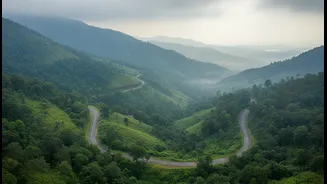
Navigating the inland roads is part of the adventure. For ultimate freedom, renting a scooter or a car is your best bet, allowing you to explore winding village roads at your own pace. Rentals are widely available in cities and tourist hubs, with daily rates for scooters around ₹300–₹700. For a more local experience, state-run and private buses connect most towns and rural areas, though they can be crowded and may not stick to a strict schedule. App-based services like GoaMiles, Uber, and Ola are also available in many areas. For shorter distances, the unique motorcycle taxis, known as 'pilots', are a cheap and popular option for solo travellers.
Authentic Cultural Experiences
True cultural immersion comes from engaging with local life. Visit a spice plantation to see how pepper, cardamom, and nutmeg are grown. Many farms offer guided tours that end with a traditional Goan lunch. Explore bustling village markets, like the Friday market in Mapusa, for a taste of local produce and homemade specialities like chouriço. Don't miss the chance to try feni, the famous local cashew liquor, at its source in a village distillery. Keep an eye out for local festivals like Shigmo or temple celebrations, which provide a vibrant window into Goan traditions.
A Guide to Respectful Exploration
When visiting rural areas and religious sites, it's important to be a mindful traveller. Dress modestly, especially when entering temples or villages. Always ask for permission before taking photographs of people or their homes. Support the local economy by buying directly from small-scale artisans, farmers, and family-run eateries. Engage with locals respectfully, and you'll find that a simple smile and a friendly 'dev boro dis dium' (may God give you a good day) can open doors to wonderful interactions. Exploring responsibly ensures that these beautiful inland communities remain preserved for years to come.