
An Evening Star Ascends
Throughout August, Saturn becomes a star performer in the night sky. While it has been a morning object for the past few months, it is now shifting into prime-time evening viewing. All month long, the yellowish planet rises in the east in the evening,
getting progressively earlier each night. It starts the month rising around 11 p.m. but will be visible by 9 p.m. by the end of August. This transition makes it far more accessible for everyone, not just the night owls. It will steadily brighten throughout the month, getting ready for its big moment when it reaches opposition.
Your Guide to Opposition
The term you'll hear astronomers buzz about is "opposition." This is the point in a planet's orbit when Earth passes directly between it and the Sun. For the planet being observed, this is its can't-miss celestial event of the year. When at opposition, a planet is at its closest to Earth, making it appear larger and brighter in our sky. Saturn's opposition for 2026 is on October 4, but the viewing season really kicks off in late August. Think of August as the exciting build-up, with the planet growing more brilliant every single night as we head towards the best viewing opportunity of the year.
How to Find Saturn This Month
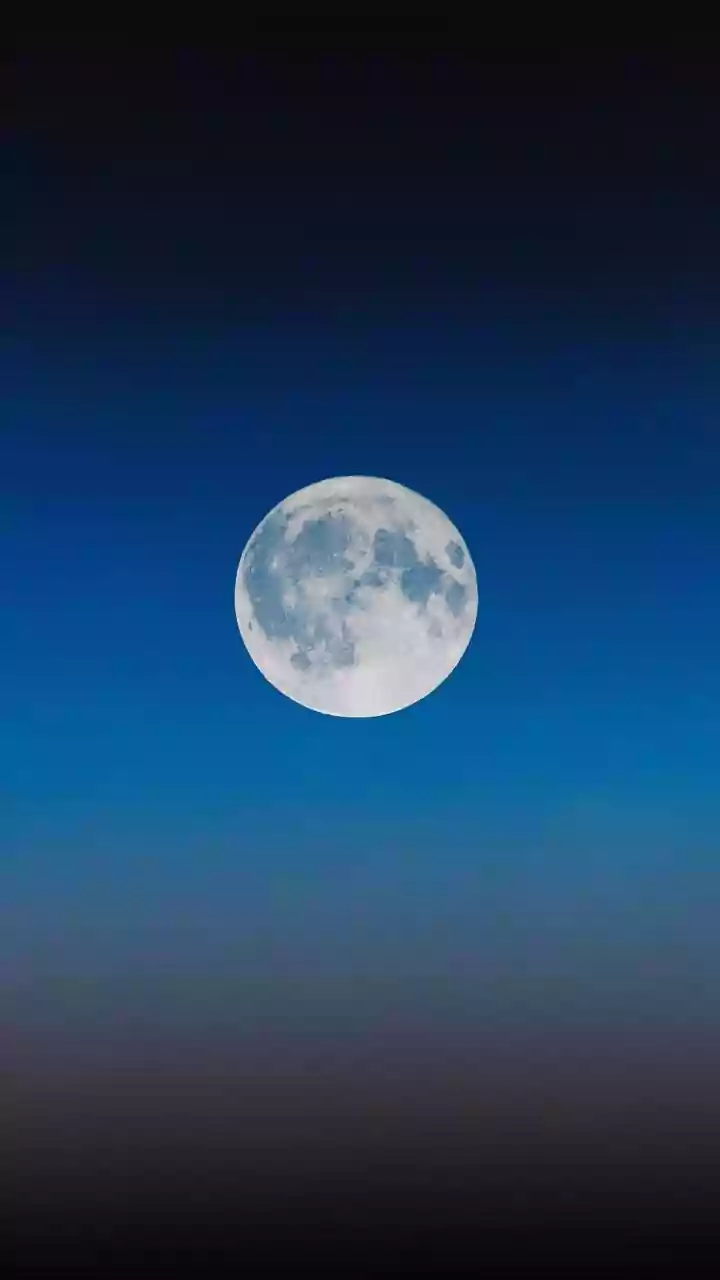
Finding Saturn is easier than you might think. This August, you can spot it in the constellation Pisces. After dark, face east and look for a bright, steady, yellowish point of light rising above the horizon. Unlike stars, planets don't tend to twinkle; they shine with a more constant glow. Pisces is a fairly dim constellation, which helps Saturn stand out even more. If you're in an area with city lights, finding a park or a spot with a clear view of the eastern horizon will help. Keep an eye on the Moon, too. On August 30-31, the Moon will pass close to Saturn, making the planet incredibly easy to identify.
Choosing Your Viewing Gear
The great news is that you don't need expensive equipment to see Saturn. It is easily visible to the naked eye as a bright 'star'. However, to see what makes Saturn truly special, you'll want some magnification. A good pair of binoculars will show it as a slightly elongated dot, hinting at the presence of its famous rings. But the real magic happens with a telescope. Even a small, basic telescope with about 50x magnification will clearly reveal the rings as a distinct structure, separate from the planet itself. It's a breathtaking sight that no photograph can truly capture.
A Unique View of the Rings
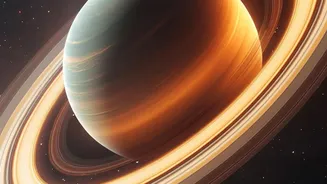
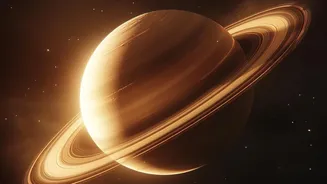
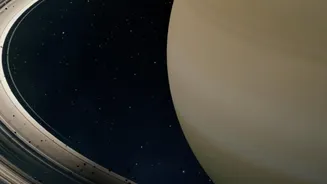
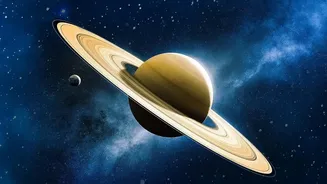
Viewing Saturn in 2026 offers a particularly interesting perspective. In March 2025, Saturn's rings were edge-on from our viewpoint, making them seem to disappear. Now, in August 2026, they have tilted back towards us, but they still appear quite narrow. The ring tilt will be around 9 degrees, giving observers a slender, elegant view of the southern face of the ring system. This provides a wonderful chance to appreciate the three-dimensional nature of the planet and its rings. Seeing the Cassini Division, the famous gap in the rings, will be a challenge but possible with a telescope of 4 inches or more on a very clear night.