



The Art of Brewing Without Heat
Cold brewing is as simple as it sounds: steeping tea leaves or botanicals in cold or room-temperature water for an extended period. Unlike traditional iced tea, which is brewed hot and then rapidly cooled with ice, cold brewing is a slow, gentle process.
This method typically involves placing loose-leaf botanicals or tea bags in a pitcher of water and letting it infuse in the refrigerator for anywhere from 6 to 12 hours. The patience pays off. Because it skips the heat entirely, the final product is remarkably smooth and forgiving; an extra hour of steeping won't ruin the batch, a common pitfall with hot tea where minutes matter.
The Science of Smooth Flavor
The magic of cold brew lies in its chemistry. Hot water is an aggressive solvent, quickly extracting all sorts of compounds from tea leaves, including tannins. Tannins are polyphenols responsible for the bitter taste and astringent, mouth-drying sensation common in over-steeped hot tea. Cold water, however, is much more selective. It gently coaxes out the flavor and aromatic compounds while leaving most of the bitter tannins behind. The result is a brew that’s significantly smoother, rounder, and free of the harsh notes that often lead people to reach for sugar or lemon to mask the bitterness.
A Naturally Sweeter Sip
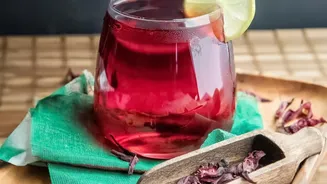
One of the most appealing aspects of cold-brewed botanical tea is its inherent sweetness. The slow, gentle extraction process not only minimizes bitterness but also enhances the perception of sweetness. This is because it does a better job of preserving the delicate, sweet-tasting amino acids, like L-theanine, and the volatile aromatic oils that contribute to a tea's flavor profile. Many botanicals are naturally sweet to begin with. Ingredients like hibiscus, rooibos, honeybush, mint, and licorice root release their pleasant flavors perfectly in cold water. A cold-brewed hibiscus tea, for example, will have a bright, tangy flavor without the sharp edge it can develop when brewed hot, reducing the impulse to add sweeteners.
Beyond the Basic Brew
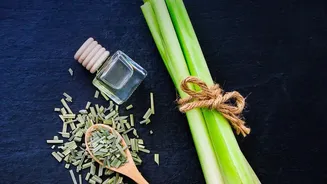
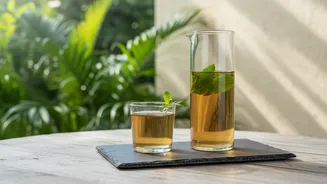
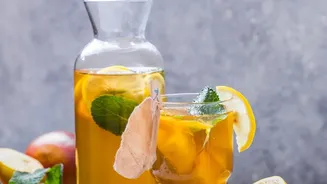
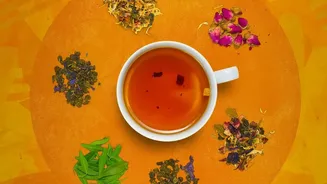
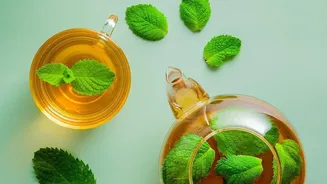
While standard teas like green, black, and oolong all taste remarkably different when cold-brewed, botanical infusions—often called tisanes—are where this method truly shines. Since they are made from a wide array of flowers, fruits, herbs, and spices, the flavor possibilities are endless. Fresh herbs like mint, lemon balm, and rosemary release their vibrant oils for an exceptionally fresh taste. Floral options like chamomile and lavender offer a softer, more delicate profile when cold-brewed, stripping away any potential bitterness. Fruit-forward blends with berries or citrus create a refreshing drink that tastes like a treat but contains no added sugar. This makes cold brewing an excellent tool for anyone looking to stay hydrated while cutting back on sugary drinks.
How to Get Started at Home
Making your own cold-brew botanical tea is practically foolproof. You'll need a large jar or pitcher, filtered water, and your botanicals of choice. A good starting ratio is about two tablespoons of loose-leaf botanicals (or 2-3 tea bags) for every litre of cold water. Simply combine the ingredients, cover the container, and place it in the fridge. For most herbal infusions like hibiscus, chamomile, or mint, a steep time of 8 to 12 hours is ideal. Once the time is up, strain the botanicals out, and your brew is ready to serve over ice. It will stay fresh in the fridge for several days, so you can make a large batch to enjoy all week long.