
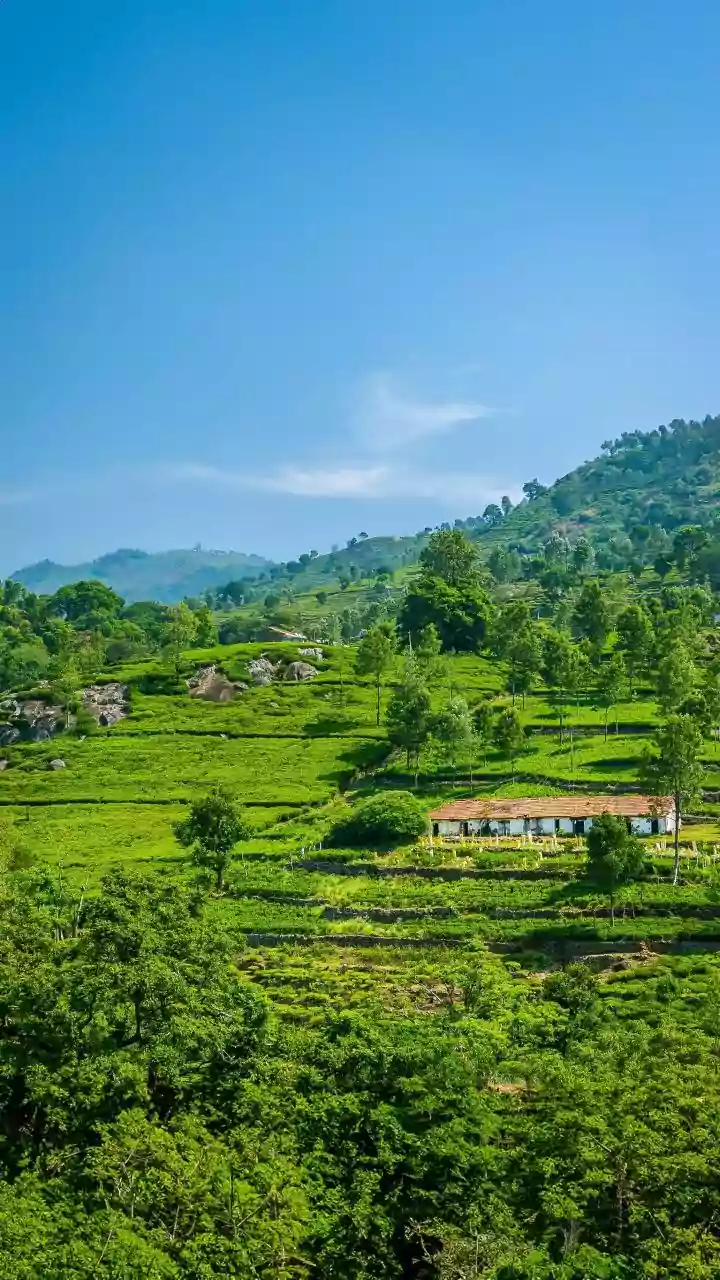





More Than Just Paragliding
Known globally as India's paragliding capital, Bir's appeal has expanded far beyond adventure sports. The town has quietly transformed into a thriving hub for digital nomads, freelancers, and remote employees seeking a better work-life balance. What draws
them in isn't just the thrill of flight, but the unique blend of serene Tibetan culture, a vibrant café scene, and a community of like-minded individuals. Unlike many commercialised hill stations, Bir has retained a tranquil, authentic atmosphere, allowing visitors to settle into a productive routine instead of feeling like temporary tourists. Its walkability is a major plus; monasteries, markets, and the famous paragliding landing site are all easily accessible.
The Rise of the Work-Ready Hostel
The key to Bir's success as a workation hub lies in its accommodation. Hostels here have evolved beyond providing just a cheap bed. They now specifically cater to the needs of remote professionals, understanding that a stable internet connection is as crucial as a comfortable bunk. Top hostels offer high-speed fibre Wi-Fi, often with multiple backup lines and power generators to ensure uninterrupted connectivity, even during the monsoon season. Many feature dedicated co-working zones, ergonomic seating, and on-site cafés that double as informal offices, creating an environment built for productivity. This infrastructure has made long-term stays not just possible, but practical.
A Day in the Life: Productivity Meets Adventure
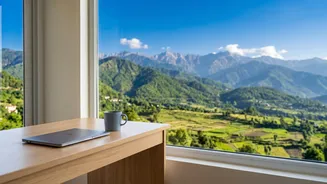
The daily rhythm for a remote worker in Bir is a compelling mix of focus and freedom. Mornings are often dedicated to work, fueled by coffee from a local café with views of the Dhauladhar range. Afternoons are for exploration: a tandem paragliding flight, a short trek to a hidden waterfall, or simply wandering through the peaceful grounds of the Chokling Monastery. Evenings are social, centered around bonfires and shared meals in hostel common rooms, where tech workers, writers, and artists exchange stories. This lifestyle allows for deep, focused work without the burnout often associated with city life, providing a perfect blend of professional output and personal rejuvenation.
How to Choose Your Mountain Base
When selecting a workation hostel in Bir, a few factors are critical. Prioritise places that explicitly advertise amenities for digital nomads, such as high-speed internet (100 Mbps is becoming standard), power backup, and dedicated workspaces. Consider the location; staying near the Tibetan Colony or the main Chowgan area offers easy access to a wide variety of cafés and restaurants. Most importantly, look for a strong community vibe. Hostels like Zostel, The Hosteller, and Flashpackers are well-known for organising group activities, making it easy to connect with fellow travellers and remote workers.
Budgeting for Your Himalayan Office
One of Bir's most significant advantages is its affordability, which allows for extended stays without breaking the bank. A dorm bed in a well-equipped workation hostel can cost anywhere from ₹400 to ₹950 per night, with significant discounts for weekly or monthly stays. Some hostels even offer long-stay monsoon packages for as low as ₹299 per night. Food is also budget-friendly, with daily expenses for meals ranging from ₹500 to ₹600 if you mix café dining with local eateries. A week-long workation, including accommodation, food, and some activities, can be managed within ₹13,000, making it an accessible option for many tech professionals.