








A Festival Rooted in Nature
Harela, meaning 'Day of Green', is a traditional festival in the Kumaon region that marks the onset of the monsoon and the new sowing season. Celebrated on July 16, it honours the bond between the community and nature, coinciding with the wedding of Lord
Shiva and Goddess Parvati. For generations, families have sown seeds of seven or more grains ten days before the festival, celebrating the sprouted seedlings as a symbol of fertility and a good harvest. This deep-rooted cultural practice of celebrating new growth has evolved, turning the festival into a platform for a massive, state-sanctioned environmental campaign.
From Ritual to Mass Movement
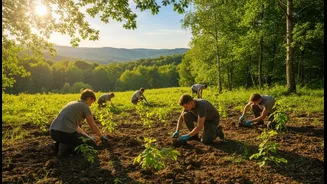
The state government is leveraging this cultural event for a broader ecological purpose, transforming it from a household ritual into a mass movement for environmental conservation. This year, the forest department plans to plant a staggering 59 lakh saplings on Harela day alone, a significant increase from previous years. The campaign, launched in 2015, involves numerous government departments, schools, NGOs, and local communities. This year's themes, including "Ek Ped Maa Ke Naam" (A Tree in Mother's Name), aim to deepen public participation and emotional connection to the cause of afforestation. The state-level event is set to launch from the historic Jageshwar temple, signalling a blend of faith, culture, and conservation strategy.
The Right Sapling in the Right Place
What makes this year's drive significant is not just the scale but the strategy. The focus has shifted from mere numbers to ecological appropriateness. Officials have been directed to prioritise planting native and fruit-bearing species suited to local conditions. This includes species like oak, rhododendron, and deodar, which are crucial for the region's ecological balance. The selection is deliberate: broad-leaved species like oak are excellent for water retention, which helps recharge drying springs, a critical issue in the hills. Planting fruit-bearing trees can also help reduce human-wildlife conflict by providing food for animals within forested areas. This scientific approach marks a departure from plantation drives that might have focused on fast-growing but ecologically disruptive species like pine.
A Plan for Survival
The weakness of many plantation drives is the lack of aftercare, leading to low survival rates for the planted saplings. Acknowledging this, officials this year are stressing post-plantation care to ensure the saplings mature into trees. To improve accountability and monitoring, details of plantation sites are being uploaded to a mobile application for real-time tracking. Furthermore, there is growing institutional commitment to ensuring long-term success. Recent reports on compensatory afforestation in the state have shown that high survival rates of up to 90% are achievable when combined with robust soil and moisture conservation work and effective site protection. This focus on survival is key to turning a day's effort into a lasting green legacy.
Restoring a Fragile Himalayan State
This enhanced Harela drive is a direct response to the severe environmental challenges confronting Uttarakhand. The Himalayan state is on the front lines of climate change, facing threats from recurring landslides, drying water sources, and forest fires. The government has identified tens of thousands of hectares of degraded forest land for ecological restoration, focusing on critical catchment areas and wildlife corridors. Initiatives like Harela's sapling drive are part of a larger strategy to strengthen climate resilience, safeguard vital water resources, and restore the ecological balance of this fragile region. By embedding scientific restoration goals within a beloved cultural festival, Uttarakhand is creating a powerful, community-driven model for environmental action.