



Munnar, Kerala: The Emerald Tea Gardens
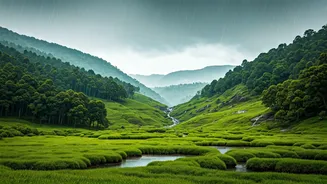
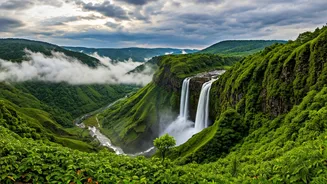
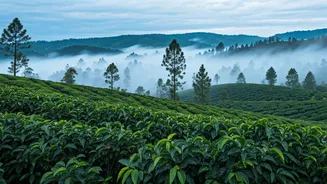
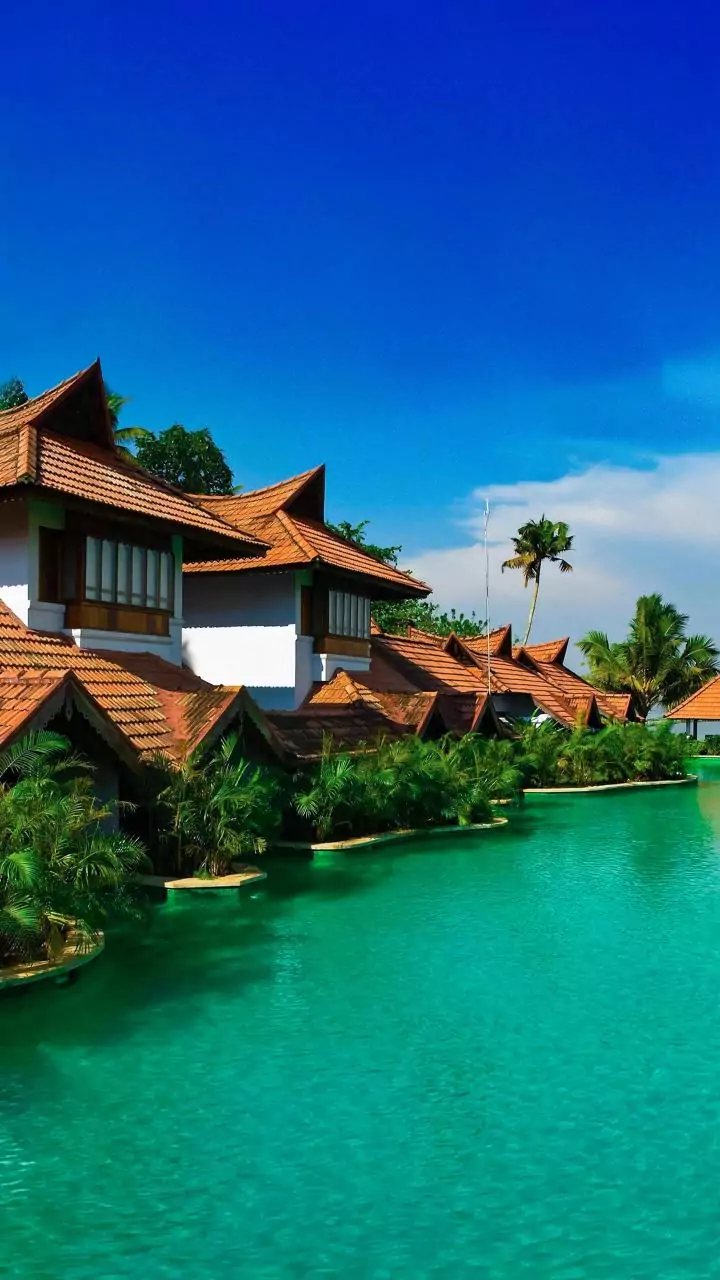
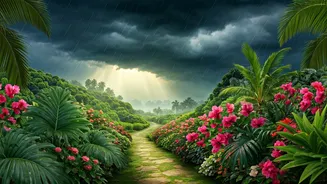
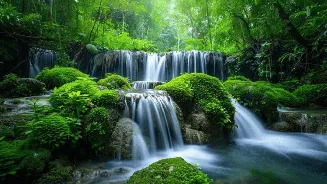
Nestled in the Western Ghats, Munnar becomes a dreamy, mist-covered haven during the monsoon. [10, 15] The rains rejuvenate its sprawling tea estates, turning them a vibrant, almost ethereal shade of green. [15, 20] This is the season when waterfalls
like Attukal and Lakkam, otherwise gentle streams, swell into powerful, roaring cascades. [15, 18] The air is cool and fragrant with the scent of wet earth and fresh tea leaves. [26] While heavy downpours can occur, they often create a serene atmosphere perfect for sipping hot tea on a balcony overlooking the misty hills. [18] For nature lovers, Eravikulam National Park, home to the endangered Nilgiri Tahr, offers stunning, rain-washed vistas. [10, 15] It's a time of fewer crowds, allowing for a more peaceful connection with nature. [29]
Coorg, Karnataka: The Scotland of India in Mist
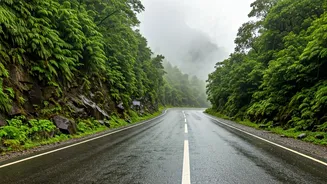
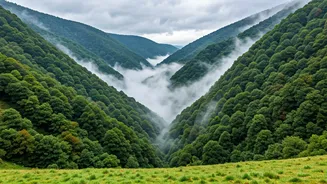
Known as the ‘Scotland of India’, Coorg's beauty is magnified during the monsoon months from June to September. [6, 31, 33] The region's rolling hills, dense forests, and expansive coffee plantations are drenched in rain, creating a landscape of unparalleled greenery. [11, 20, 21] This is when the famous Abbey and Iruppu Falls are at their most thunderous and spectacular. [12, 20, 35] A drive through Coorg in the rain is an experience in itself, with mist clinging to the winding roads and the air filled with the aroma of coffee blossoms and spices. [11, 35] While trekking can be challenging due to slippery paths and leeches, the views from vantage points like Raja's Seat become incredibly dramatic, with clouds rolling through the valleys below. [32, 40] For a unique experience, one can visit the Dubare Elephant Camp to see the gentle giants enjoying the rain. [12, 35]
Lonavala and Khandala, Maharashtra: Waterfalls and Green Escapes
The twin hill stations of Lonavala and Khandala, conveniently located between Mumbai and Pune, are classic monsoon getaways for a reason. [10, 39] With the first rains, the Sahyadri mountains shrug off their brown summer coat and wrap themselves in a blanket of green. [17, 39] The area comes alive with numerous waterfalls, some of which are seasonal and appear only during this time. [17] The Kune Falls, one of the highest in Maharashtra, is a major attraction, cascading down in three tiers. [17, 37] Viewpoints like Lion's Point and Duke's Nose offer breathtaking, albeit misty, views of the lush valleys. [10, 39] Trekking to forts like Rajmachi and Tikona becomes a popular activity, though caution is advised on slippery trails. [9, 10] The atmosphere is cool and refreshing, perfect for enjoying roasted corn-on-the-cob from a roadside stall while taking in the scenic beauty. [10]
Shillong and Cherrapunji, Meghalaya: The Abode of Clouds
For those who truly love the rain, there's no better place than Meghalaya, the 'abode of clouds'. Cherrapunji, once known as the wettest place on Earth, is a landscape of dramatic waterfalls and deep valleys. [8, 10] During the monsoon, waterfalls like Nohkalikai (India's tallest plunge waterfall) and the Seven Sisters Falls are at their most powerful and majestic. [38, 41] This is also the best time to witness the unique living root bridges, which become enveloped in a lush, green world. The trek to the Double Decker Living Root Bridge in Nongriat is a challenging but incredibly rewarding experience in the rain. [41, 42] The entire region is covered in a mystical blanket of mist, with clouds often floating right into your path, creating a surreal and unforgettable travel experience. [9, 41]
Valley of Flowers, Uttarakhand: A Himalayan Bloom
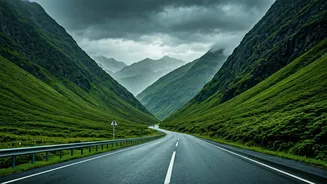
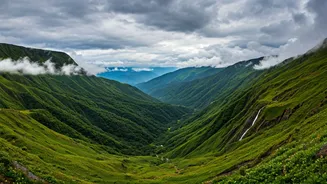
A UNESCO World Heritage Site, the Valley of Flowers in Uttarakhand is a high-altitude Himalayan valley that puts on its most spectacular show during the monsoon. [13] The park is accessible from June to October, but the peak blooming season is from mid-July to mid-August, coinciding with the rains. [13, 19, 22] During this time, the valley is transformed into a vibrant carpet of over 500 species of wildflowers, including the elusive blue poppy and Brahma kamal. [22, 24] The trek to the valley is an adventure in itself, passing through lush forests and alongside the gushing Pushpawati River. The monsoon rains keep the valley fresh and vibrant, though trekkers should be prepared for slippery conditions and have appropriate rain gear. [14, 24] It's a truly magical sight, where the mountain slopes are painted with a riot of colours against a backdrop of snow-capped peaks and misty clouds. [14]
Udaipur, Rajasthan: The City of Lakes in Rain
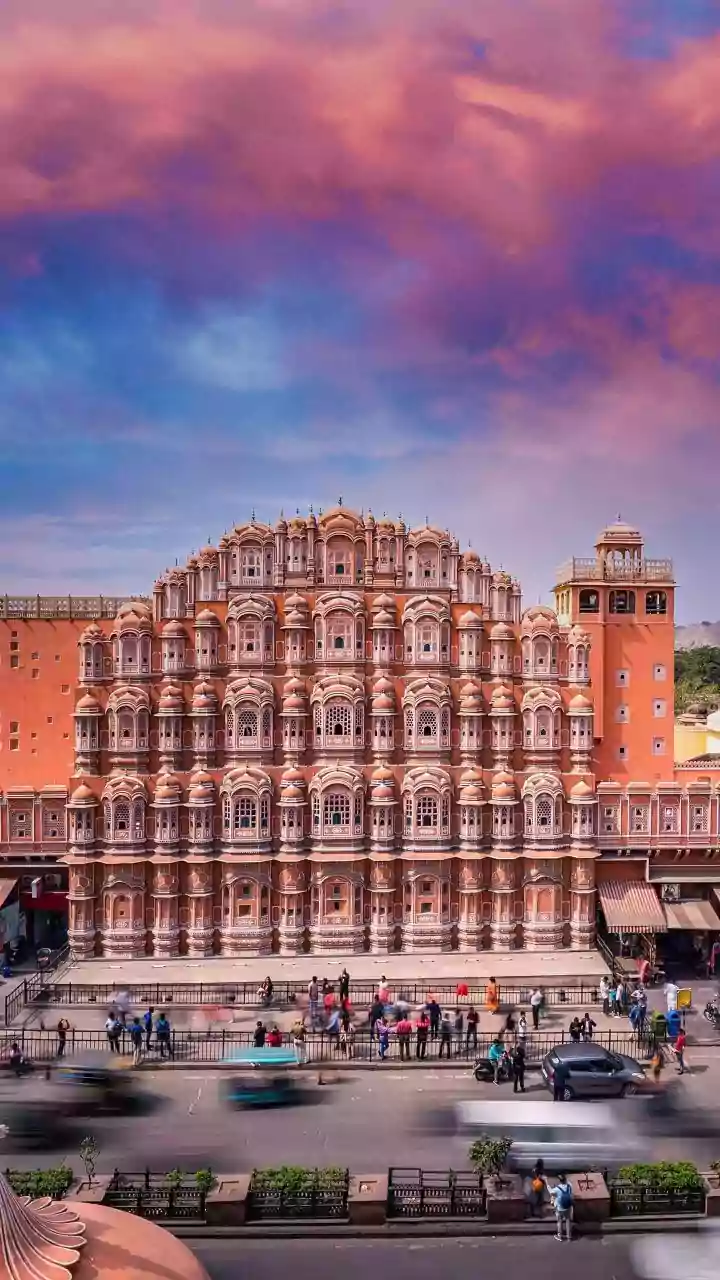
While Rajasthan is known for its deserts, the city of Udaipur offers a surprisingly different and romantic monsoon experience. [9, 30] When the rains arrive, the city's famous lakes, like Pichola and Fateh Sagar, fill up, reflecting the majestic palaces and heritage buildings under dramatic, cloudy skies. [25, 27] The surrounding Aravalli hills, barren for much of the year, turn a refreshing green, offering a stunning contrast to the city's architecture. [30, 36] A boat ride on Lake Pichola during a light drizzle is an enchanting experience, and the views from the Monsoon Palace (Sajjangarh Palace), perched on a hilltop, are spectacular. [25, 34] The monsoon season sees fewer tourists, allowing for a more relaxed and intimate exploration of this beautiful city. [25, 30]