



Planning Your Adventure: When to Go
Timing is everything for a rafting trip in Rishikesh. The main season runs from late September to June, avoiding the monsoon months (July to August) when high water levels make rafting unsafe. For the most pleasant weather, plan your trip between October
and March. The months of March to early June are also popular, as the weather is warmer, making the cold splashes of the Ganges feel refreshing. Winter, from December to February, offers a unique experience with cooler temperatures, but don't worry—most operators provide wetsuits to keep you warm.
The Unskippable Rules of Rafting Safety
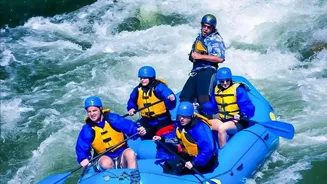
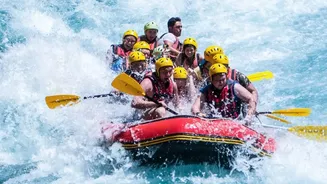
Safety is the most critical part of your adventure. While rafting in Rishikesh is generally safe with certified operators, your diligence matters. Always wear your life jacket and helmet correctly; they should fit snugly and be fastened at all times. Your guide is your most valuable asset on the river—listen to their safety briefing and follow their commands without fail. They are trained to navigate the rapids and handle emergencies. Learn the basic paddling commands and how to position yourself in the raft, especially how to lock your feet in for stability during rapids. Avoid consuming alcohol before rafting, and don't bring valuables like phones or jewelry on the water unless they are in a secure waterproof bag.
Choosing Your First Challenge: Beginner Stretches
Rishikesh offers several rafting stretches, with rapids graded from I (easy) to V (expert). For first-timers, two main stretches are highly recommended. The Brahmpuri to Rishikesh stretch is the easiest, covering about 9 km with gentle Grade I and II rapids. It's perfect for families, children, and anyone feeling a bit apprehensive, taking about 1.5 to 2 hours. The most popular route for beginners seeking a bit more thrill is the Shivpuri to Rishikesh stretch. This 16 km route features exciting Grade II and III rapids like 'Roller Coaster' and 'Golf Course' and takes around 2.5 to 3.5 hours, offering a perfect blend of adventure and manageable challenges.
Dressing for the Rapids
What you wear can significantly impact your comfort and safety. The golden rule is to avoid cotton, as it absorbs water, gets heavy, and makes you cold. Instead, opt for quick-drying synthetic clothing like a T-shirt or rash guard and board shorts or leggings. For footwear, choose secure water shoes or sandals with straps that won't fall off in the water; flip-flops are a definite no. In the cooler months (October to February), operators will provide wetsuits for warmth. Don't forget waterproof sunscreen, and if you wear sunglasses, secure them with a retainer strap.
Finding a Reputable Rafting Operator
Your experience largely depends on the company you choose. Book your trip with a licensed and experienced operator. Reputable companies prioritize safety, provide high-quality equipment (rafts, life jackets, helmets), and employ certified, experienced guides. Read reviews and don't let a low price be your only deciding factor. A good operator will conduct a thorough safety briefing before you get on the water and will have clear emergency procedures. They ensure that even non-swimmers can participate safely, provided they follow all instructions and wear their life jackets.