



Garam Masala: The Heart of Indian Cooking
Garam masala, which translates to 'warm spice mix', is a cornerstone of North Indian cuisine. Contrary to what its name suggests, it isn't necessarily fiery hot but provides a deep, warming quality to dishes. The blend varies by region and even by household,
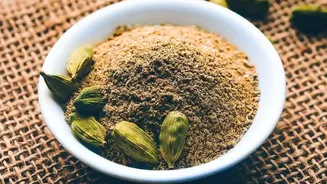
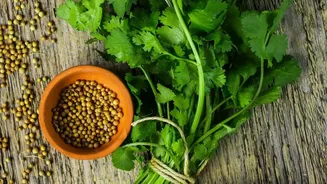
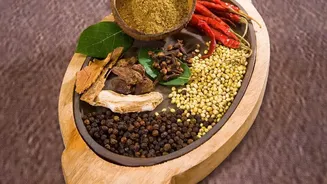
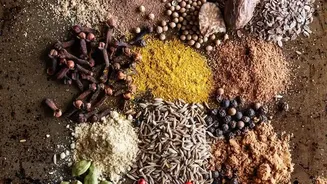
but it is defined by its aromatic and savory profile. Core components often include cumin and coriander, which provide an earthy base. To this, 'warming' spices like sweet cinnamon, pungent cloves, and peppery notes from black pepper are added. The real magic, however, often comes from cardamom, which lends a complex, fragrant sweetness that lifts the entire blend. Garam masala is typically added near the end of cooking to preserve its delicate and fragrant aromas, making it a finishing touch that defines many curries and lentil dishes.
Chinese Five Spice: A Symphony of Flavours
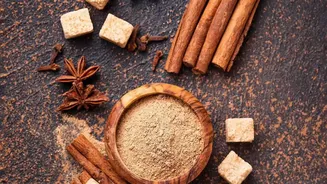
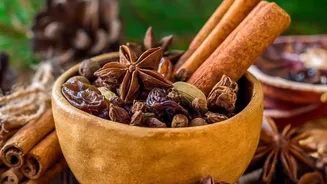
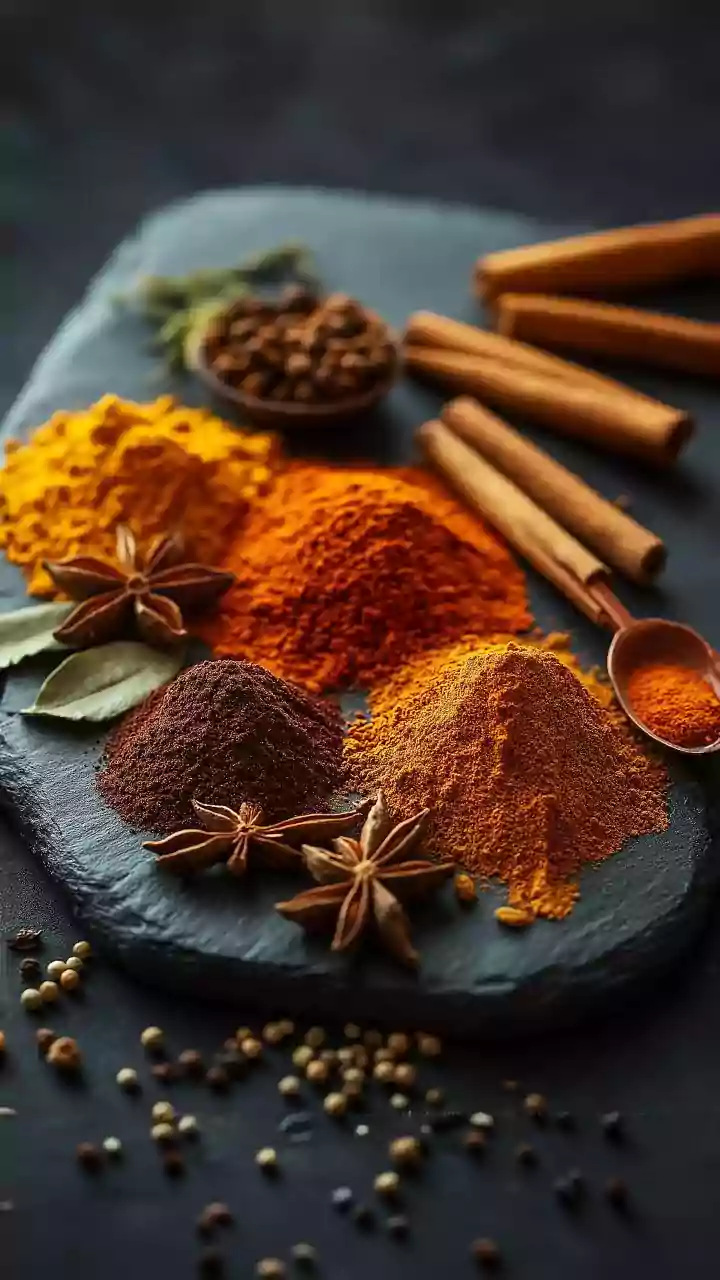
Based on the philosophy of balancing the five essential flavours—sweet, sour, bitter, salty, and pungent or savory—Chinese Five Spice powder is a powerhouse of complexity. The traditional blend creates a unique and potent seasoning used in marinades, stir-fries, and roasted meats. Star anise is the most prominent flavour, offering a sweet, licorice-like note. This is balanced by the warm sweetness of cloves and Chinese cinnamon (cassia). Earthy fennel seeds add another layer of aroma, while Sichuan peppercorns provide a tingling, citrus-like pungency that is distinct from the heat of chili. The result is an intensely aromatic blend that is both sweet and savory, embodying a core principle of Chinese culinary tradition.
Herbes de Provence: A Taste of the French Countryside
This blend captures the fragrance of the hills of southeastern France. Unlike the ground spice blends of Asia and the Middle East, Herbes de Provence is a rustic mix of dried herbs. While recipes vary, the foundation is almost always built on thyme and rosemary, which give it a piney, earthy character. These are complemented by other herbs like savory, oregano, and marjoram. Savory adds a peppery note, while marjoram contributes a sweeter, more floral element. In North American versions, a hint of lavender is often included, adding a distinct floral top note that has become strongly associated with the blend. It is perfect for flavouring roast chicken, grilled vegetables, and stews, bringing a touch of Mediterranean sunshine to the kitchen.
Za'atar: The Tangy Star of the Middle East
Za'atar is both the name of a wild herb and the beloved spice blend that features it. This Middle Eastern staple is a simple yet profound mix that provides a nutty, herbaceous, and tangy flavour. The soul of the blend comes from sumac, a deep red spice with a bright, lemony tang that provides acidity without liquid. This is combined with an herbaceous base, typically a variety of thyme, oregano, or marjoram. The final key ingredient is toasted sesame seeds, which contribute a nutty flavour and a satisfying textural crunch. Often mixed with olive oil and spread on flatbread, sprinkled over hummus, or used as a rub for meats, za'atar is an incredibly versatile blend that instantly adds a distinctive Middle Eastern flair.
Baharat: The Warmth of Arabic Spices
Baharat simply means 'spices' in Arabic, but the blend itself is anything but simple. It is a versatile, all-purpose seasoning used across the Middle East, with many regional variations. At its core, baharat is warm, earthy, and slightly sweet, but generally not hot. Common ingredients include black pepper for a mild pungency, along with cumin and coriander for an earthy foundation. The characteristic warmth comes from spices like allspice, cloves, cinnamon, and nutmeg, which lend a sweet, aromatic quality reminiscent of baking spices but used in a savory context. Some versions may also include paprika, which adds colour and a gentle sweetness. This complex blend is used to flavour everything from ground meat and stews to soups and vegetable dishes.