





Why Fibre Matters
Dietary fibre is a plant-based nutrient that is crucial for maintaining good digestive health. It has numerous benefits, including preventing constipation, helping to manage blood sugar levels, lowering cholesterol, and supporting a healthy weight by
making you feel fuller for longer. The Indian Council of Medical Research (ICMR) recommends that adults consume between 25 and 40 grams of fibre daily. However, studies show that many Indians, particularly in urban areas, consume much less than this recommended amount, often only around 15 grams per day. This gap is linked to a rising incidence of lifestyle diseases. The good news is that bridging this fibre gap is easy and affordable with everyday Indian foods.
Lentils and Pulses (Dal and Legumes)
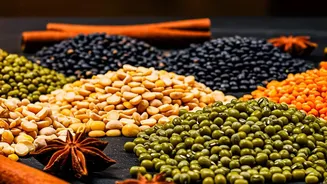
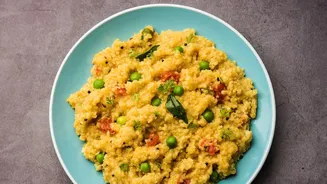
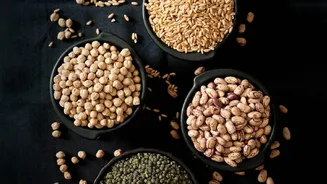
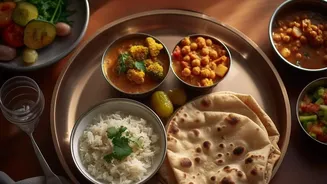
Dals and legumes are the foundation of Indian cuisine and are nutritional powerhouses of both protein and fibre. A single cup of cooked rajma (kidney beans) can provide about 11-15 grams of fibre, while chana (chickpeas) and masoor dal (red lentils) also offer significant amounts. These are incredibly versatile; they can be prepared as a simple dal tadka, a hearty rajma or chole curry, or added to salads and khichdi. Because they are affordable and stored dry, dals are a perfect budget-friendly way to ensure you have a consistent source of fibre in your pantry.
Whole Grains and Millets
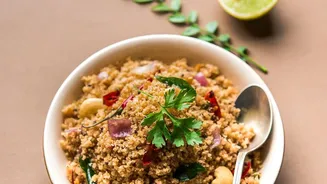
Replacing refined grains with whole grains is one of the simplest swaps for a higher fibre diet. Instead of white rice, consider using brown rice, which contains more fibre. Whole wheat atta for rotis is also a better choice than refined flour (maida). Even better, embrace India's rich tradition of millets like Jowar (sorghum), Bajra (pearl millet), and Ragi (finger millet). These ancient grains are naturally gluten-free and packed with fibre, with some varieties like Jowar and Bajra containing over 10 grams of fibre per 100g serving. They can be used to make rotis, porridge (daliya), or even dosas.
Affordable Seasonal Vegetables
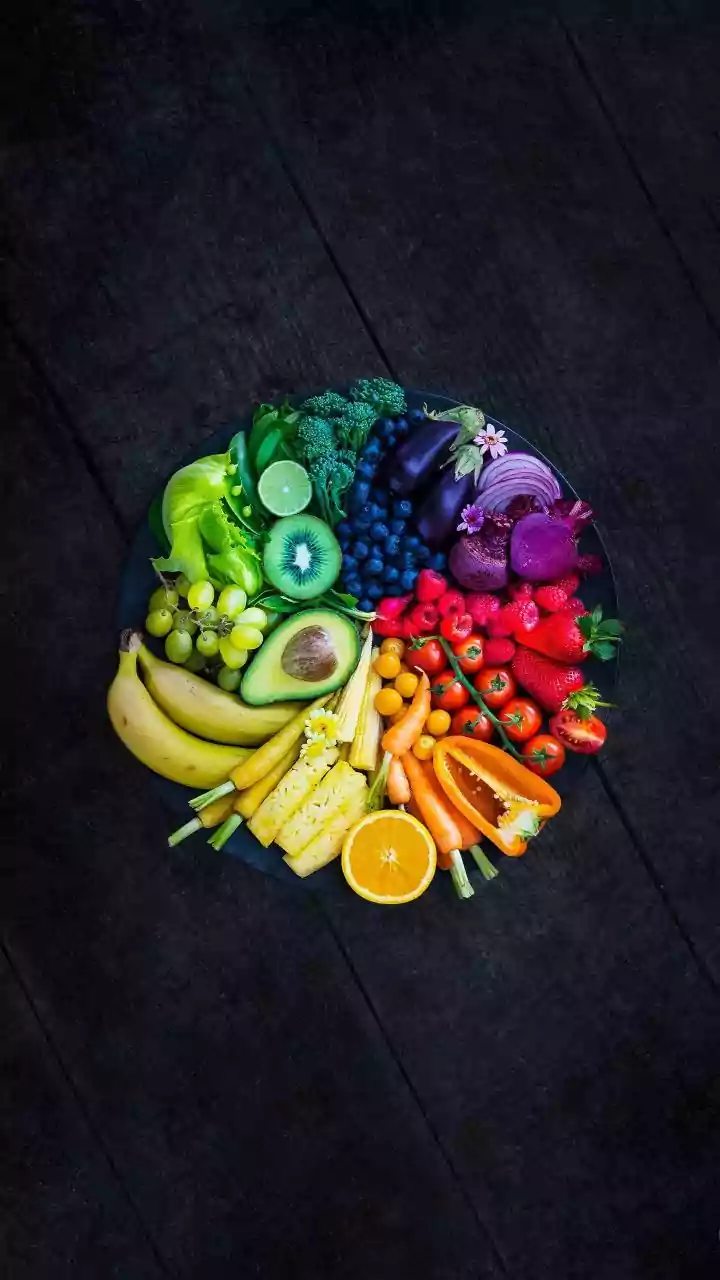
Vegetables are a fantastic source of fibre, and you don’t need to buy expensive, exotic produce. Everyday Indian vegetables are excellent choices. Green leafy vegetables like spinach (palak) and fenugreek (methi) are rich in fibre and other nutrients. Other affordable options include bhindi (okra), beans, lauki (bottle gourd), and carrots. The key is to eat a variety and to include them in your main meals. Filling half your plate with vegetables is a great rule of thumb to boost your fibre intake significantly. Buying vegetables that are in season ensures they are not only cheaper but also at their nutritional peak.
Common Fruits Eaten Whole
Fruits are a sweet way to increase fibre, and some of the most common and affordable ones in India are also the best. Guava is a fibre superstar, with a single medium fruit providing around 5-9 grams. Bananas, papayas, and apples (eaten with the skin on) are also excellent, easily available options that contribute to your daily fibre goal. Choosing to eat the whole fruit instead of drinking juice is crucial, as the juicing process removes most of the beneficial fibre. A piece of fruit makes for a perfect and simple fibre-rich snack.
Seeds as a Fibre Topper
A small addition can make a big difference. Seeds like flaxseeds (alsi), sesame seeds (til), and chia seeds are some of the most concentrated sources of fibre available. They are also inexpensive when bought from a local kirana store. You can dry roast them and store them in an airtight container. Simply sprinkling a spoonful over your dal, sabzi, yoghurt, or salad can add an extra few grams of fibre to your meal without changing the taste much. This is an effortless habit to build for a long-term health boost.