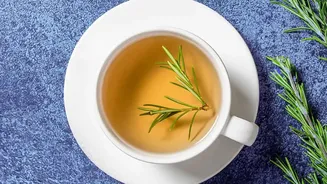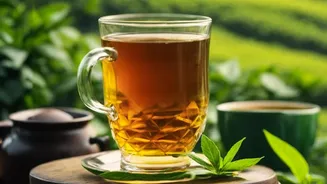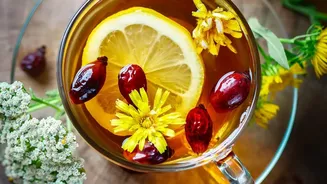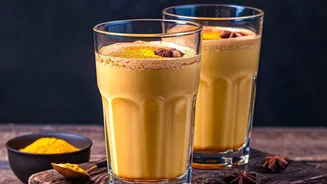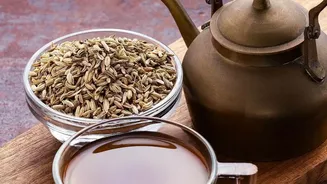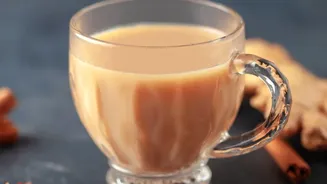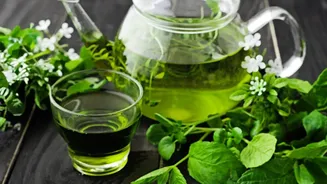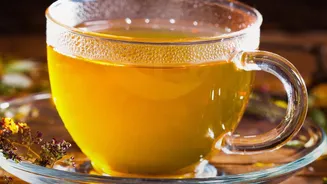




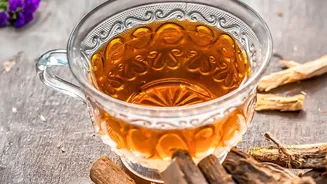
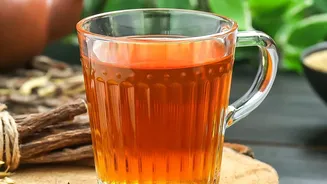
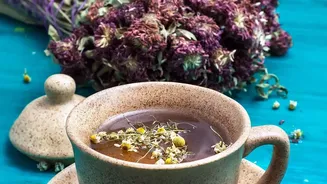
For many in India, tea is synonymous with a rich, milky brew. But in the serene heights of the Himalayas, a different tea tradition exists—one that champions pure, herbal infusions, celebrated for their delicate taste and wellness benefits.
The Case for Skipping Milk
Adding milk
to tea is a comforting ritual, but when it comes to fine herbal infusions, it can be counterproductive. Firstly, the creamy texture and fat content of milk can overwhelm the subtle, complex notes of flowers and herbs, masking the very flavours that make these teas special. Think of it as adding a strong spice to a delicate soup—you lose all the nuance. Secondly, there is an ongoing debate in the scientific community about whether milk can hinder the body's ability to absorb antioxidants. Some studies suggest that caseins, the proteins in milk, may bind with flavonoids and catechins (powerful antioxidants in tea), potentially reducing their bioavailability. While research is conflicting, the consensus among tea purists is clear: to experience the true character and potential benefits of a herbal tea, it is best enjoyed on its own.
A Symphony of Untouched Flavours
When you brew a Himalayan herbal tea without milk, you allow its true personality to shine through. These teas, grown in high-altitude regions with unique soil and climate conditions, offer a diverse and sophisticated palate. Flavours can range from the bright, citrusy tang of lemongrass to the gentle, apple-like sweetness of chamomile flowers. Others might present a warm, peppery spice like Tulsi or the refreshingly cool notes of spearmint. These are not overpowering tastes but a delicate dance of floral, earthy, fruity, or herbaceous notes that evolve with each sip. This experience is lost when milk is introduced, which tends to homogenize the flavour profile. Drinking these teas pure allows you to appreciate the 'terroir'—the unique taste of the place from which they originate.
An Antioxidant-Rich Infusion
Himalayan herbs are renowned for their high concentration of antioxidants, which are compounds that help protect the body from cellular damage caused by free radicals. Plants growing in the harsh, high-altitude environment of the Himalayas often develop a higher concentration of these protective compounds to survive. When you steep these herbs in hot water, you release these beneficial molecules—including polyphenols, flavonoids, and catechins—into your cup. Regular consumption of antioxidant-rich beverages is linked to a range of health benefits, from supporting the immune system to promoting overall wellness. By choosing a pure herbal infusion, you ensure you are getting a potent and unadulterated dose of these powerful plant compounds.
Discover: Three Himalayan Herbal Teas
Ready to explore? Here are three popular Himalayan herbal teas to begin your journey with: Rhododendron (Buransh): Made from the vibrant petals of the rhododendron flower, this tea has a beautiful floral aroma and a mildly sweet, slightly tangy taste. Traditionally used in Himalayan folk medicine, it is naturally caffeine-free and rich in flavonoids and other antioxidants that are believed to support digestion and reduce inflammation. Sea Buckthorn: Brewed from the leaves or vibrant orange berries of the sea buckthorn shrub, this tea is a nutritional powerhouse. It offers a zesty, citrus-like flavour and is packed with vitamins C and E, as well as rare Omega-7 fatty acids. Studies have noted its exceptionally high antioxidant activity, which helps in boosting immunity and supporting skin health. Himalayan Tulsi (Holy Basil): Revered in India for centuries, Tulsi is an adaptogenic herb, which means it helps the body adapt to stress. Himalayan Tulsi has a unique warm, spicy flavour with notes of clove and pepper. It is celebrated for its ability to promote mental clarity, support the immune system, and aid respiratory health, making it a soothing and balancing brew for any time of day.