





Venus: Earth's Hostile Twin
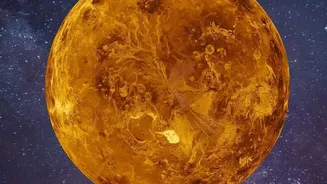
Venus is often called Earth’s sister planet for good reason. It’s nearly identical in size, mass, and composition, and it is our closest planetary neighbour. Yet, the similarities end there. Venus is the most hostile planet in the solar system, with a surface
temperature hot enough to melt lead and an atmospheric pressure over 90 times that of Earth's at sea level. Its skies are permanently covered by thick, opaque clouds of sulfuric acid, making its surface impossible to observe with conventional telescopes. This runaway greenhouse effect has turned a world that might have once been habitable into a scorching wasteland. Understanding how and why Venus's path diverged so dramatically from Earth's is one of the most pressing questions in planetary science, holding potential lessons about our own planet's climate.
The Smoking Gun: Sulfur Dioxide
Radar mapping from previous missions has shown that Venus is covered in thousands of volcanoes. We know volcanism played a massive role in shaping its surface. The big unknown is whether any of these volcanoes are still active today. Finding direct evidence is incredibly difficult, but scientists have a clever indirect method: hunting for sulfur dioxide (SO2). On Earth, SO2 is a major gas released during volcanic eruptions. On Venus, this gas is quickly broken down by sunlight in the upper atmosphere. Therefore, if a spacecraft detects a sudden spike in SO2 concentration high above the clouds, it's a strong clue that the gas was recently blasted up from the surface by a powerful event—most likely, an erupting volcano. Previous missions have seen tantalising fluctuations in SO2 levels, but the evidence remains inconclusive.
ISRO's Detective: The Shukrayaan-1 Mission
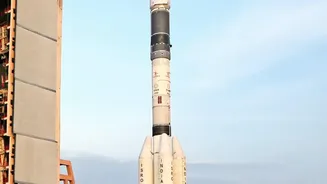
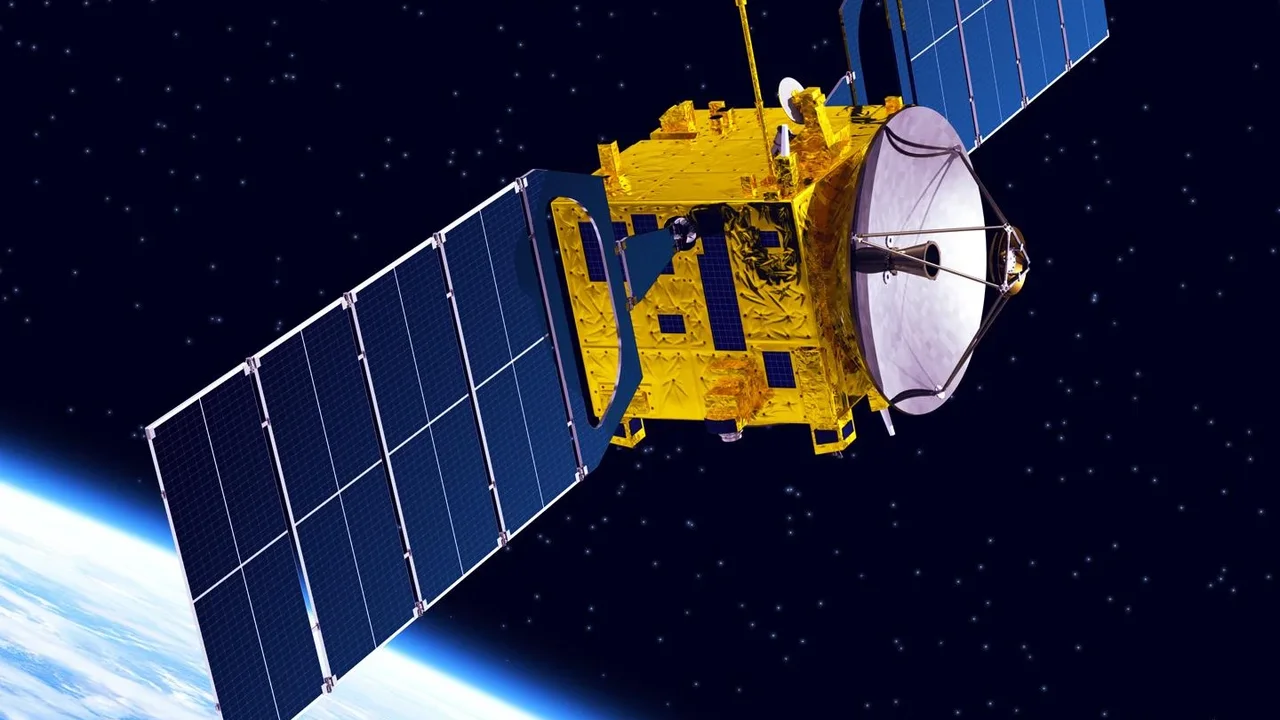
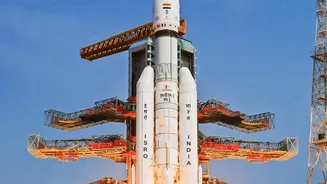
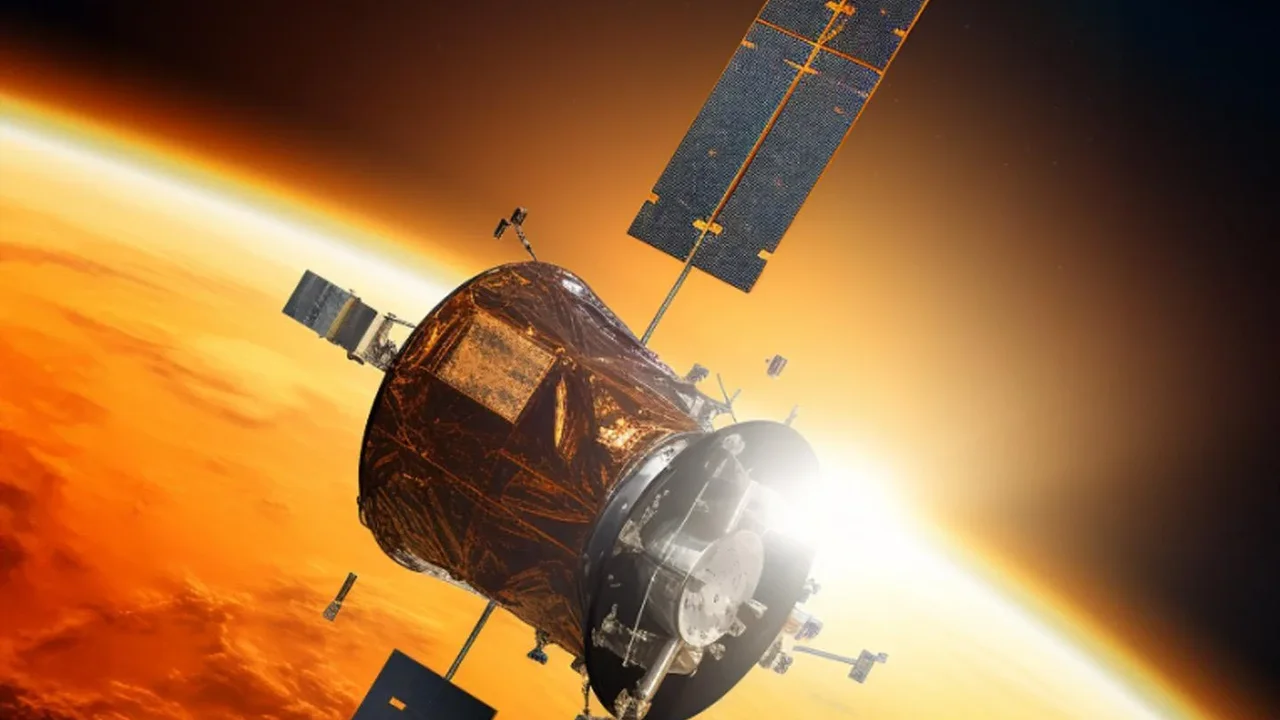
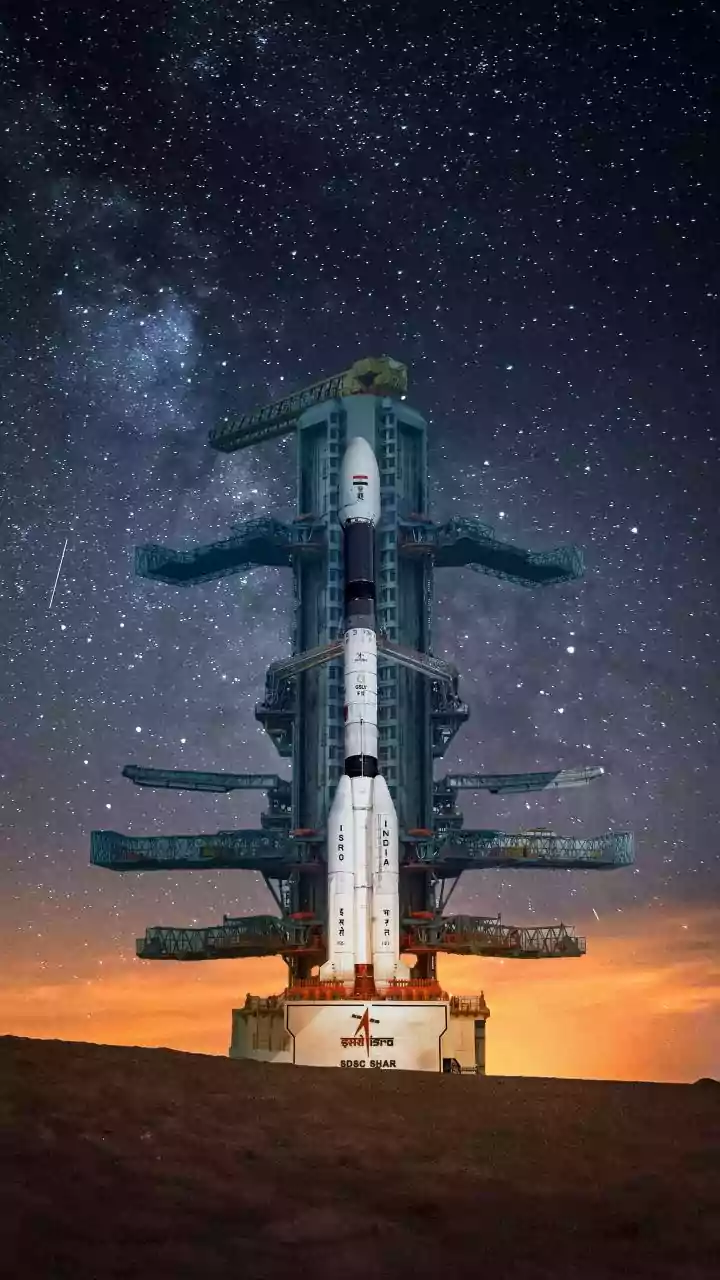
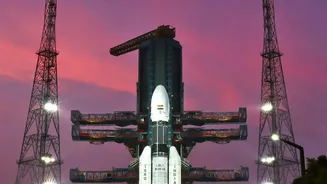
This is where India's ambitious Venus Orbiter Mission, popularly known as Shukrayaan-1, comes in. Formally approved by the government in September 2024, this mission is a major step in India's interplanetary exploration programme. Scheduled for a March 2028 launch, the orbiter is a multi-purpose scientific platform designed to comprehensively study Venus from above. While it carries a suite of instruments, including advanced radar to map the surface and subsurface, a crucial part of its mandate is to analyse the planet's complex atmosphere. By closely monitoring atmospheric chemistry, Shukrayaan-1 will be perfectly positioned to hunt for those telltale peaks in sulfur dioxide.
How the Payload Will Search for Clues
The mission will carry payloads specifically designed for atmospheric analysis. These instruments work on the principle of spectroscopy—analysing light to determine the chemical composition of the atmosphere it passes through. As the orbiter circles Venus, its scientific instruments will scan the atmosphere, measuring the concentrations of various gases, including SO2. By taking repeated measurements over its multi-year mission, the spacecraft can build a dynamic map of the atmosphere. It won't just be looking for the presence of the gas, but for sudden, localised increases that cannot be explained by normal atmospheric circulation. If Shukrayaan-1 detects such a plume, it could provide the strongest evidence yet that Venus is geologically active today. International partners, including Sweden, are also contributing instruments, making this a global scientific effort.