

Houston, We Have a Gut Problem
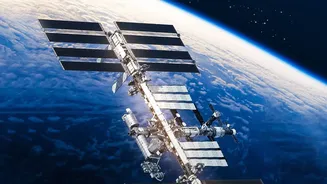
For as long as humans have ventured into space, they have reported a range of digestive issues. Problems like constipation, bloating, indigestion, and acid reflux are common discomforts for astronauts aboard the International Space Station (ISS). While
these might seem like minor complaints, they point to a much larger issue. In the unique environment of space, the complex ecosystem of microorganisms in our digestive tract, known as the gut microbiome, undergoes significant changes. These shifts are not just a matter of comfort; they have profound implications for an astronaut's overall health, including their immune response, metabolism, and even mental state.
The Zero-Gravity Effect
The primary culprit behind these digestive woes is microgravity. On Earth, gravity helps move food through our digestive system. In space, the body must rely solely on peristalsis, the muscular contractions of the intestines, to do the job. Recent research from NASA and the University of Copenhagen suggests this results in a slower gut transit time. When food moves more slowly, the bacteria in the gut run out of their preferred fuel, carbohydrates and fiber. They then switch to fermenting protein instead. This process creates byproducts that enter the bloodstream and are linked to negative health effects, including potential kidney damage. The slower transit also directly explains the high incidence of constipation among astronauts, a problem so common that laxatives are a standard item in the ISS medical kit.
The Mars Mission Multiplier
A trip to the ISS, which typically lasts around six months, is one thing; a mission to Mars is another challenge entirely. A round trip could take up to three years, dramatically amplifying every health risk. On such a long journey, astronauts will be further from Earth than ever before, with no chance for quick medical evacuations or resupply missions. Chronic digestive issues could escalate from an inconvenience to a serious medical problem. The prolonged exposure to deep space radiation, another factor known to potentially damage gastrointestinal tissues, adds another layer of risk. Furthermore, the byproducts of increased protein fermentation have been linked in animal studies to increased anxiety and stress, which could impair an astronaut's focus and mental well-being—a critical concern on a high-stakes mission.
Searching for a Gut Solution
Understanding the problem is the first step; solving it is the next giant leap. Scientists are actively researching countermeasures to protect the astronaut gut. One of the most promising avenues is diet. Increasing the intake of dietary fiber and slowly fermented carbohydrates could provide the gut microbes with enough of their preferred fuel, reducing the need for protein fermentation. The development of specialized prebiotics and probiotics designed for the space environment could help maintain a healthy and diverse microbiome. Ground-based simulations, like the 520-day Mars500 experiment, have provided invaluable data on the effects of long-duration confinement, showing depletion in beneficial bacteria and increased markers for intestinal inflammation. This research is crucial for developing strategies to ensure that when the first humans set foot on Mars, they arrive not just safely, but also in good health, from head to toe—and gut.