

The Golden Rule: Why Guided is Non-Negotiable
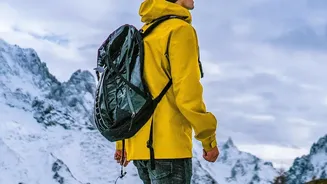
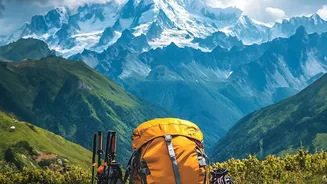
Before we dive into destinations, it's crucial to understand why a 'guided' trek is the most important decision for a first-timer. The Himalayas are majestic but unpredictable. A guided expedition means you are with professionals who understand the terrain,
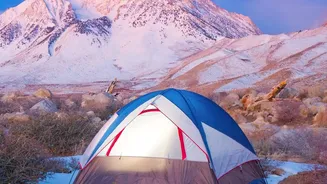
weather patterns, and acclimatization needs. They handle logistics like permits, equipment (tents, sleeping bags rated for sub-zero temperatures), and food. Most importantly, they are trained in first aid and have emergency protocols in place. Your job is to walk and soak in the beauty; their job is to manage the risks, making the entire experience safer and more enjoyable. Choosing a reputable operator is the first and most critical step of your journey.
Kedarkantha Trek, Uttarakhand
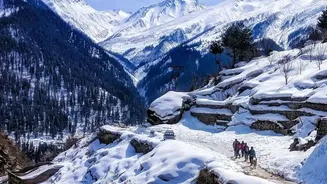
Often hailed as the 'Queen of Winter Treks', Kedarkantha is arguably the most popular choice for beginners, and for good reason. The trail is well-defined, winding through enchanting pine and oak forests, which provides a gentle introduction to trekking in snow. The ascent is gradual, and the trek is typically completed over 4-5 days, making it manageable for those with a basic level of fitness. The reward is a 360-degree panoramic view from the 12,500-foot summit, including famous peaks like Swargarohini and Bandarpoonch. Its popularity means the infrastructure is well-established, with experienced guides and organised campsites like the picturesque Juda ka Talab. Best Time for Snow: December to April is the prime window, with January and February offering the most reliable and heavy snowfall.
Brahmatal Trek, Uttarakhand
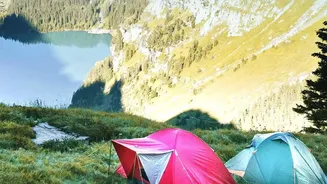
If you desire stunning high-peak views with slightly fewer crowds than Kedarkantha, Brahmatal is an excellent alternative. Considered an easy to moderate trek, it's perfectly suited for beginners. The trail takes you through beautiful rhododendron and oak forests before opening up to reveal breathtaking views of Mount Trishul and Nanda Ghunti. The highlights are the two frozen alpine lakes, Bekaltal and Brahmatal, which make for magical camping spots. The trek is typically a 5-6 day journey starting from Lohajung, and the daily trekking distance is manageable. Operators praise it for having safe, gradual ascents and comfortable campsites. Best Time for Snow: Much like Kedarkantha, the ideal period is from December to March, when the landscape transforms into a snowy paradise.
Dayara Bugyal Trek, Uttarakhand
Imagine vast, rolling meadows covered in a thick blanket of pristine snow. That's Dayara Bugyal in winter. While famous for its lush greenery in summer, this trek transforms into a spectacular snowscape that is perfect for first-timers. Graded as an easy trek, the ascents are gentle, and the trail is less strenuous than others, making it ideal for families and beginners. The trek offers stunning views of the Gangotri and Banderpoonch ranges. The sheer expanse of the 28-square-kilometre meadow provides a unique snow camping experience. Guided tours ensure you have the right gear for the cold and navigate the open landscape safely. Best Time for Snow: The meadows are usually covered in a good layer of snow from late December through February, with January being a peak month for winter conditions.
Deoriatal-Chandrashila Trek, Uttarakhand
This trek offers two incredible highlights for the price of one: the serene Deoriatal lake and the panoramic summit of Chandrashila. Rated easy to moderate, it’s a fantastic introductory trek to the Himalayas. The journey starts with a walk to the stunning lake, famous for its reflections of the Chaukhamba massif. From there, the trail passes through the Kedarnath Wildlife Sanctuary to Chopta, often called the 'Mini Switzerland of India'. The final climb to Tungnath (the world's highest Shiva temple) and Chandrashila Peak is steep but short and incredibly rewarding. In winter, the path is blanketed in snow, making it a magical experience. Best Time for Snow: November to February sees the region covered in snow. While the Tungnath temple itself is closed, the trek to Chandrashila remains a popular and accessible winter goal.
How to Choose the Right Operator
Your safety and experience hinge on your tour operator. Don't just pick the cheapest option. Look for companies with a strong track record and positive reviews. Check if their guides are certified in first aid and mountaineering. A professional company will be transparent about what's included in the package—transportation, food, permits, and high-quality gear. They should also provide a detailed itinerary, emergency plans, and a clear list of what you need to pack. A quick phone call to ask about their safety protocols can tell you a lot about their professionalism.