








Deep in the forests of Central India, a culinary tradition thrives, hidden from supermarket aisles. It’s a world of uncultivated 'wild greens' that forms the backbone of indigenous cuisine, preserving a heritage rich in nutrition and culture.
A Forest's Secret Pantry
For many,
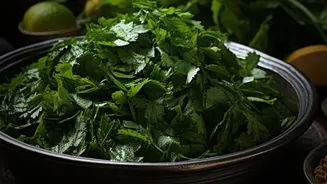
the idea of a vegetable patch is a neatly tilled plot of land. But for the indigenous communities of Central India, such as the Gond and Baiga, the entire forest is a pantry. During the monsoon, the landscape bursts with a variety of wild, uncultivated leafy greens, locally known as 'ranbhaji' or forest vegetables. These are not weeds, but a diverse array of plants—from the tender leaves of the stinking cassia to the ubiquitous Bengal dayflower—that have been foraged for generations. This practice goes beyond mere sustenance; it is a deep, symbiotic relationship with the land, where knowledge of what to pick, when, and how is paramount. This ancestral wisdom turns the wild expanse into a source of diverse and seasonal produce, a stark contrast to the monocultures of modern agriculture.
The Keepers of Generational Knowledge
The Baiga tribe, whose name is believed to originate from the Hindi word for 'healer', are particularly renowned for their extensive knowledge of forest flora. This traditional ecological knowledge is a living library, passed down orally from elders to the younger generations, often through hands-on foraging trips. They can identify hundreds of edible plants, distinguishing them from toxic look-alikes, and understand their life cycles. The knowledge extends to preparation methods; some greens must be boiled multiple times to be safe, while others are best cooked with specific spices or grains like kodo and kutki millets. This expertise is not just about food—it’s an integral part of their cultural identity, where every plant has a story and a specific use, be it nutritional, medicinal, or spiritual.
More Than Just Food
These foraged greens are nutritional powerhouses. Often dismissed as 'poor man's food', scientific analysis reveals that many of these wild edibles are richer in micronutrients, vitamins, and antioxidants than their commercially cultivated counterparts. Studies show they are significant sources of iron, calcium, and essential vitamins, playing a crucial role in combating malnutrition and ensuring dietary diversity, especially during lean seasons when other food sources may be scarce. For communities like the Baiga and Gond in the Achanakmaar-Amarkantak Biosphere Reserve, wild edibles supplement a significant portion of their diet and can contribute up to 24% of household income through the sale of surplus in local markets. This makes the tradition a cornerstone of both health and economic resilience.
A Disappearing Culinary Heritage
Despite its importance, this ancient knowledge system is facing unprecedented threats. Deforestation and the degradation of natural habitats are shrinking the availability of these wild greens. Furthermore, the younger generation is increasingly migrating to urban centres for work and education, leading to a gradual erosion of traditional practices. The shift towards modern, convenient diets and a preference for cultivated crops also plays a role in the declining use and knowledge of these plants. As elders pass away without successfully transmitting their expertise, there is a real danger that this invaluable culinary and ecological heritage could be lost within a few generations, severing a vital link between the people and their environment.
Seeds of a Modern Revival
Fortunately, there is a growing recognition of the importance of preserving this heritage. NGOs and grassroots organisations are working to document this traditional knowledge, creating databases of wild edible plants. Initiatives like 'Ranbhaji' festivals are creating awareness and reintroducing these forgotten greens to urban populations, celebrating them as a unique part of regional cuisine. Some collaborations are bringing tribal home cooks into professional kitchens, helping them enhance their skills and find new livelihood opportunities by sharing their culinary traditions with a wider audience. These efforts are not just about nostalgia; they frame indigenous food systems as a model for a sustainable future, offering lessons in biodiversity, resilience, and living in harmony with nature.