
Beyond the Usual Mithai Box
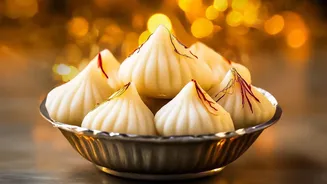
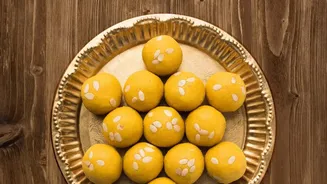
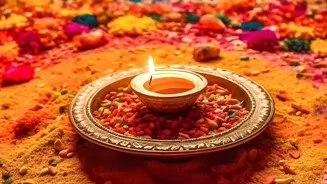
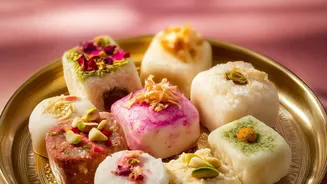
Festivals in India are synonymous with sweets. They are symbols of joy, prosperity, and togetherness. For generations, the exchange of mithai has been a cornerstone of celebration. Yet, in recent years, a certain uniformity has crept onto our tables.
The same few, albeit delicious, sweets—often mass-produced—tend to dominate the festive landscape from Diwali to Eid. While there is comfort in the familiar, this growing homogeneity risks overshadowing a vast and vibrant world of regional desserts, each with a unique story to tell. This isn't about discarding the classics, but about making room for the incredible diversity that truly represents our culinary heritage.
A Taste of Place and Tradition
Regional desserts are edible storytellers. Their ingredients and preparation methods speak of a place's climate, agriculture, and history. Consider the Goan Patoleo, a fragrant sweet steamed in turmeric leaves. A delicate rice flour paste is spread on the leaf, filled with a sweet mixture of fresh coconut and palm jaggery, then folded and steamed. The turmeric leaf imparts a subtle, earthy aroma that is inseparable from the dish. This sweet is a beloved tradition during festivals like Ganesh Chaturthi and the Feast of the Assumption. Similarly, Thekua from Bihar is a crunchy, cookie-like sweet made from whole wheat flour and jaggery, and is the principal prasad during the arduous Chhath Puja. Each bite is a taste of devotion and tradition, deeply intertwined with the identity of the region.
Preserving Our Culinary Heirlooms
Many regional sweets are culinary heirlooms, passed down through generations. Making them is often a laborious act of love, requiring specific skills and knowledge that are themselves a form of cultural heritage. Take Pootharekulu from Andhra Pradesh, a sweet so delicate it's known as 'paper sweet'. It involves creating impossibly thin, paper-like sheets from rice starch, which are then layered with ghee, powdered sugar or jaggery, and nuts. The skill to create these sheets is a closely guarded tradition of Atreyapuram village. Likewise, the many varieties of Pitha from Eastern India—like the rice flour dumplings from Bengal and Assam filled with coconut and jaggery—are an integral part of harvest festivals like Poush Parban and Bihu. When we choose to make, share, and seek out these sweets, we are not just enjoying a dessert; we are actively participating in the preservation of these intricate culinary arts.
A Connection to Roots and Memory
For many, food is a powerful link to home, family, and childhood memories. A specific regional sweet can evoke a sense of nostalgia that a generic box of mithai simply cannot. It’s the taste of a grandmother’s kitchen, the memory of community celebrations, and the comforting flavour of one's roots. The commercialisation of festivals often prioritises sweets that have a long shelf life and are easy to transport, pushing these hyperlocal, often seasonal, delicacies to the margins. By consciously including them in our celebrations, we reaffirm our connection to our personal and collective histories, ensuring that future generations can also form these powerful, delicious memories.
How to Diversify Your Festival Table
Making space for regional desserts is easier than you think. Start by exploring your own community. Many home chefs are now reviving forgotten family recipes and making them available. Visit local markets during festival times and look for ingredients you don't recognise; ask vendors about them. Explore specialty sweet shops that go beyond the mainstream offerings. Don't be afraid to try a new recipe. The joy of discovery is a celebration in itself. This festival season, challenge yourself to find one new sweet to share with your loved ones. You might just discover a new family favourite and help keep a beautiful tradition alive in the process.