







Prioritise Drainage Above All
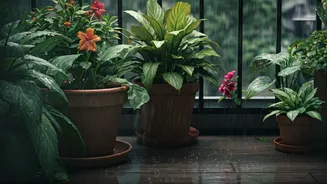
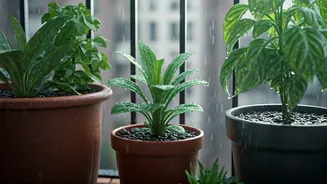
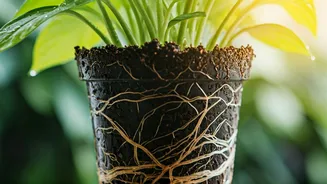
The single greatest threat to your potted plants during the monsoon is not the rain itself, but water that has nowhere to go. Waterlogged soil suffocates roots, leading to root rot, a condition that is difficult to reverse. Before the heavy showers begin,
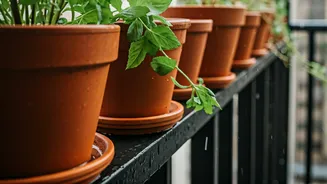
check every single one of your pots. Ensure their drainage holes are clear and unobstructed. If you have pots sitting flat on the balcony floor, elevate them. Placing pots on bricks, small stones, or dedicated 'pot feet' allows excess water to escape freely and prevents the drainage holes from getting blocked by the floor surface. During the rainy season, it's also wise to remove any saucers or cachepots that can collect water and leave your plants sitting in a stagnant pool.
Create Shelter from Wind and Rain
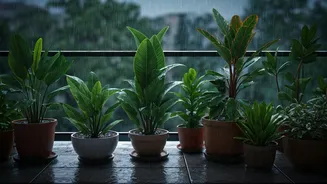
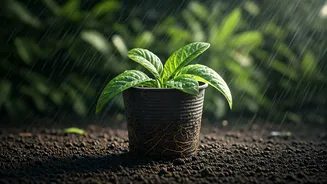
Torrential rain is often accompanied by strong winds, creating a destructive combination for balcony gardens. Tall or top-heavy plants are particularly vulnerable to being knocked over. You can provide support by staking them or tying them securely to balcony railings. For more comprehensive protection, consider creating physical windbreaks. A simple lattice, a bamboo screen, or even a heavy-duty curtain tied with rope can shield your plants from the direct force of wind and sideways rain. For more delicate plants, it might be best to temporarily move them to a more sheltered spot on your balcony, closer to a wall or under an overhang.
Master the Art of Monsoon Watering
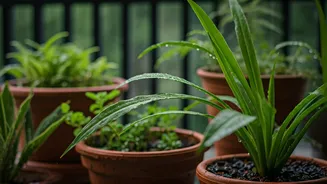
It may seem counterintuitive, but you still need to think about watering during the rainy season. The key is to avoid overwatering. Frequent rains often provide more than enough moisture for your plants. The golden rule is to check the soil before you even think about reaching for the watering can. Stick your finger about an inch or two into the soil; if it feels moist, your plant does not need more water. Many well-intentioned gardeners kill their plants with kindness during the monsoon by adding water to already saturated soil. Let the rain do its job and only intervene during extended dry spells.
Prune for Better Air Circulation
The high humidity of the monsoon creates a perfect breeding ground for fungal diseases like powdery mildew. To combat this, you need to ensure good air circulation around your plants. Pruning is an effective way to achieve this. Trim away any dead or yellowing leaves, and thin out dense foliage to allow air to move freely through the branches. This helps the leaves dry out faster after a shower, reducing the risk of fungal spores taking hold. Regular pruning also encourages new, healthy growth. Don't be afraid to give your plants a light haircut before and during the season.
Watch for Pests and Diseases
The damp conditions that fungi love are also inviting for pests like slugs, snails, and various insects. Be vigilant and inspect your plants regularly for any signs of trouble. Look for spots on leaves, wilting despite wet soil, or the presence of insects like mealybugs and aphids. Catching an infestation early is crucial. Many common issues can be treated with simple organic solutions like a neem oil spray, which acts as a natural fungicide and pesticide. Keeping your balcony clean and free of fallen leaves and debris will also help, as this material can shelter pests.
Rethink Your Fertilising Schedule
Heavy rains can wash away essential nutrients from the soil in your pots, a process known as leaching. While your first instinct might be to add more fertiliser to compensate, it's best to be cautious. Fertilising wet soil can lead to root stress and runoff. A better approach is to use organic compost, which releases nutrients slowly. It's generally recommended to reduce the frequency of fertilising during the peak monsoon months. Wait for a break in the rain and for the soil to dry out slightly before feeding your plants.