



The Open-Plan Dilemma
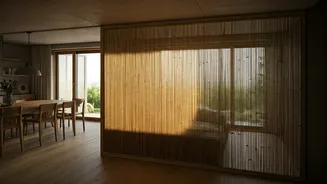
Modern homes celebrate vast, open-plan layouts that merge the kitchen, dining, and living areas into one sociable hub. While this design fosters connection and a feeling of spaciousness, it often presents a challenge: how to create distinct zones for
different activities? Without clear boundaries, a home office can bleed into the relaxation space, and a dining area can feel adrift. The goal is to introduce structure without sacrificing the light and flow that make open plans so appealing. This is where strategic division, or 'zoning', becomes essential for creating a space that is both cohesive and functional.
Why Bamboo Is the Sustainable Answer
Bamboo has rapidly gained popularity as a go-to material for the eco-conscious homeowner, and for good reason. Unlike hardwood trees that can take decades to mature, bamboo is a fast-growing grass that can be harvested in as little as three to five years. Its root system remains intact after harvesting, allowing it to regenerate without the need for replanting. This makes it a highly renewable resource. Furthermore, bamboo cultivation generally requires minimal water and no pesticides or fertilizers, reducing its environmental impact and helping to prevent deforestation. By choosing bamboo, you are opting for a material that is not only beautiful but also contributes to a healthier planet.
Aesthetic Versatility and Natural Warmth
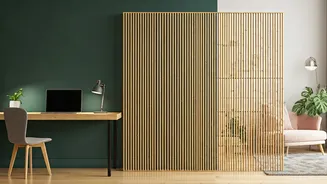
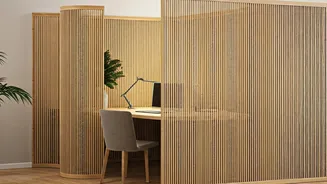
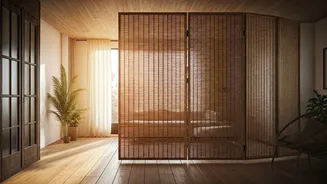
Beyond its green credentials, bamboo offers incredible design flexibility. Its natural texture and warm tones bring an element of the outdoors inside, adding a touch of elegance and serenity to any room. Bamboo screens are not a one-size-fits-all solution; they come in a wide variety of styles. You can find intricately woven panels that create beautiful light-and-shadow play, minimalist slat designs that feel modern and airy, or even hybrid models that incorporate glass or metal. Whether your home is minimalist, bohemian, or contemporary, there is a bamboo screen that can complement your decor, adding both a functional divide and a stunning decorative element.
Practical Magic: How to Zone Your Space
A partitioning screen is a powerful tool for creating 'rooms' without walls. Use a folding bamboo screen to carve out a dedicated home office nook behind a sofa, instantly hiding work clutter at the end of the day. In a large studio apartment, a screen can create a sense of a separate bedroom, offering privacy and a cosier atmosphere. You can also use one to define an entryway or foyer where none exists, or to separate a dining area from the main living space for more intimate meals. Because they are often lightweight and foldable, these screens offer flexibility; you can easily move or store them as your needs change.
Choosing Your Perfect Screen
When selecting a bamboo screen, consider its primary function. If you need maximum privacy, look for a densely woven design. If the goal is merely to suggest a division while maintaining an open feel, a slatted or openwork pattern is ideal. Pay attention to the number of panels and the overall width to ensure it fits your space. Stability is also key, so look for a sturdy frame and quality hinges. Finally, consider the finish. Bamboo can be found in its natural light colour, stained darker, or even painted, allowing you to perfectly match it to your existing interior palette.
Simple Care for Lasting Beauty
Maintaining a bamboo screen is straightforward. Regular dusting with a soft cloth or a gentle vacuum brush will keep it clean. For any spills or smudges, a slightly damp cloth is usually sufficient. It's best to avoid harsh chemical cleaners. Bamboo is naturally durable and resistant to moisture, but it's wise to place it away from direct, prolonged sunlight, which can cause the colour to fade over time. Also, while many true bamboo products are moisture-resistant, it's important not to confuse them with 'lucky bamboo' (Dracaena sanderiana), which is a different plant with different care needs.