






India's 'Other' Monsoon
While the Southwest Monsoon (June-September) delivers about 75% of India's annual rainfall, the Northeast Monsoon (October-December) is the primary lifeline for several southern states. Often called the 'retreating monsoon', it forms when cool, dry winds
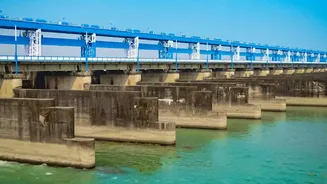
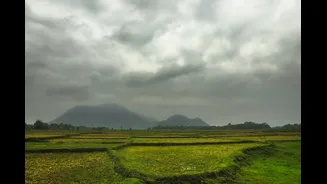
from the north blow towards the Indian Ocean, picking up moisture from the Bay of Bengal. This process brings crucial rainfall to Tamil Nadu, Puducherry, coastal Andhra Pradesh, and parts of Kerala and Karnataka. For Tamil Nadu especially, which sits in the rain-shadow of the Western Ghats during the summer monsoon, this season provides nearly half of its total annual rainfall, replenishing reservoirs and supporting the samba paddy crop.
Why a One-Size-Fits-All Plan Fails
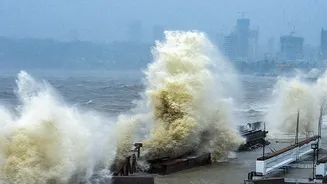
The fundamental problem is that the Northeast Monsoon behaves very differently from its summer counterpart. The Southwest Monsoon is a large, sprawling system, but the Northeast Monsoon is notoriously volatile and concentrated. Its rainfall depends on a few low-pressure systems and cyclones forming in the Bay of Bengal. This leads to extreme variability: some years see deficient rain, causing severe water stress and drought, while others bring short, intense deluges that cause catastrophic floods. Standard preparedness plans, often geared towards the more predictable, widespread summer rains, are ill-equipped to handle such boom-or-bust patterns. They fail to account for the sudden, localised nature of the downpours that can overwhelm urban infrastructure in a matter of hours.
The Urban Flood Trap
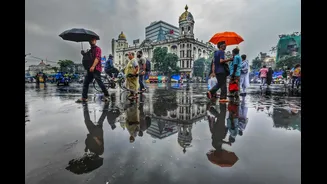
Cities like Chennai have become poster children for the devastating impact of this monsoon's intensity. Rapid, often unplanned, urbanisation has led to the concreting of vast areas and the encroachment of natural water bodies like lakes, marshlands, and river floodplains. These natural sponges, which once absorbed excess rainwater, are now gone. Compounding the issue are outdated and inadequate stormwater drainage systems, some designed decades ago and now clogged with silt and solid waste. As a result, when an intense rain spell hits—a hallmark of the Northeast Monsoon—the water has nowhere to go, leading to severe urban flooding that paralyses cities, damages property, and endangers lives.
Crafting a Smarter, Localised Strategy
A different readiness plan must be nimble, localised, and proactive. Experts argue for an integrated approach that moves beyond reactive disaster management. This includes enforcing zoning regulations to protect remaining water bodies and floodplains, and investing in 'green infrastructure' like permeable pavements and rain gardens to help absorb water naturally. Upgrading urban drainage systems to handle higher rainfall intensity is critical. Furthermore, improved, hyper-local weather forecasting can provide more precise warnings, allowing for targeted action. Community-based early warning systems and clear public awareness campaigns about what to do before, during, and after a flood can empower citizens and reduce risks.