






The Lifeline Under Pressure
Mumbai's suburban railway is more than a transport network; it's the city's lifeline, carrying nearly eight million commuters every day. For decades, this system has been stretched to its absolute limit. Packed coaches, delays, and a constant struggle
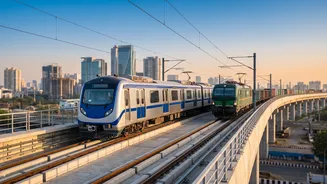
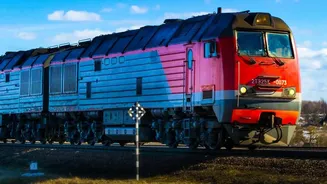
for space are the norm. The core of the problem is shared track usage. The same lines that carry millions of passengers in local trains also have to accommodate long-distance passenger trains and, crucially, slow-moving goods trains. This mixed traffic creates bottlenecks, slows down the entire network, and makes it incredibly difficult to add more local services where they are desperately needed.
A Separate Path for Goods
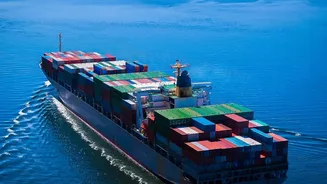
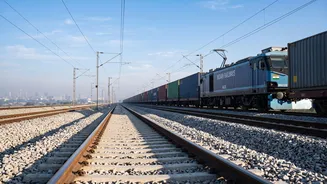
Enter the Dedicated Freight Corridor (DFC), a game-changing national infrastructure project. The DFC is a network of railway tracks built exclusively for transporting goods. The Western Dedicated Freight Corridor (WDFC), stretching over 1,500 kilometres from Uttar Pradesh to Jawaharlal Nehru Port (JNPT) in Navi Mumbai, is now complete. Its entire purpose is to take freight trains off the congested mixed-traffic lines that passenger trains use. By creating a separate, high-speed highway for cargo, the DFC allows goods to move faster and more efficiently, but its most significant impact for Mumbaikars is the space it leaves behind.
How Freight's Exit Helps Commuters
The logic is simple: when you move all the freight trains to their own dedicated corridor, the existing tracks are freed up. Railway authorities have confirmed that this is a key part of their strategy to decongest the Mumbai network. The lines previously occupied by slow goods trains can be repurposed entirely for passenger services. This opens up the possibility of running more local train services, increasing their frequency, and improving punctuality. With fewer types of trains competing for the same track, the whole system can run more smoothly, reducing the frustrating delays that plague daily commutes. Officials estimate that as much as 70% of freight traffic could shift to the new corridors, creating enormous scope for more passenger trains.
More Services, Better Journeys
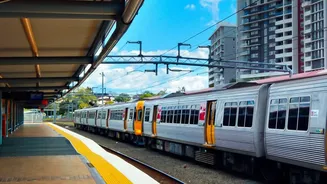
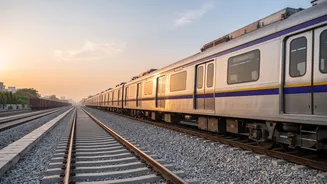
The benefits extend beyond just adding more trains. With freed-up capacity, railway authorities can introduce more modern, comfortable, and faster services. The Mumbai Railway Vikas Corporation (MRVC) is already planning a major expansion under the Mumbai Urban Transport Project (MUTP), with plans to procure hundreds of new air-conditioned rakes. The plan includes adding 238 new AC local trains by 2030. This shift allows for better segregation of services—for instance, running more fast locals without them getting stuck behind a goods train. It also enables better maintenance schedules, which can improve the overall safety and reliability of the network. Ultimately, it translates to a less crowded, more predictable, and more comfortable journey for the average commuter.
What to Expect Next
While the Western DFC is now operational, integrating these changes into Mumbai’s complex suburban system will take time. The MRVC is actively planning for the future, initiating studies for MUTP-4 to identify necessary infrastructure upgrades through 2047. This includes extending corridors, adding more tracks to separate suburban and mainline traffic, and improving stations. Railway Minister Ashwini Vaishnaw has spoken of increasing Mumbai's local services by about 10% and introducing new-generation trains. While these upgrades are part of a long-term vision, the completion of the DFC is the foundational step that makes all these future improvements possible. The path is now clear to begin the work of reclaiming the tracks for the people.