








The Silent Problem: What is Hidden Hunger?
Hidden hunger is a form of malnutrition where a person's intake of calories may be sufficient, but their diet lacks essential vitamins and minerals. Globally, over two billion people are affected, with women and children being particularly vulnerable.
This deficiency of micronutrients like iron, zinc, and Vitamin A doesn't always show obvious signs of starvation, hence the term 'hidden'. However, its consequences are severe, leading to impaired immune systems, stunted physical and cognitive growth, and increased risk of illness. In India, where diets often rely heavily on a few staple crops like rice and wheat, hidden hunger is a significant public health challenge that can undermine the nation's development.
A Promising Tool: The Rise of Biofortification
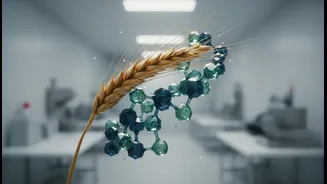
One of the most innovative strategies to combat hidden hunger is biofortification. This is the process of increasing the nutritional value of food crops through conventional plant breeding or modern biotechnology. The goal is to develop staple foods that are naturally richer in specific micronutrients. In India, this has led to the development of several promising varieties, including iron-rich pearl millet (bajra), zinc-fortified wheat and rice, and protein-rich maize. The key advantage is its sustainability; once a nutrient-dense variety is developed, it can be distributed to farmers, providing a cost-effective way to deliver essential nutrients to large rural populations who depend on these staples.
Why Biofortification Isn't a Silver Bullet
Despite its potential, biofortification is not a standalone solution. A primary limitation is that a biofortified crop is often enhanced with only one or two specific nutrients. This doesn't address the full spectrum of micronutrients a person needs, which can only come from a varied diet. Furthermore, successful adoption depends on farmers being willing to grow the new varieties and consumers accepting any potential changes in taste or appearance. Over-reliance on a few biofortified staples could also inadvertently discourage dietary diversity, reinforcing the very problem of monotonous diets that contributes to hidden hunger in the first place.
Embracing Diversity: Nature's Original Solution
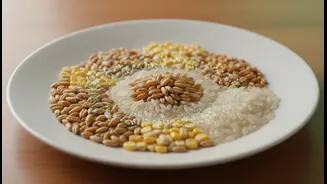
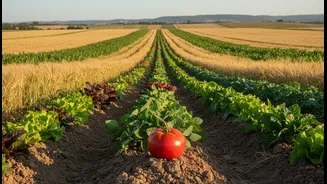
A more holistic and resilient strategy lies in promoting crop diversity. This approach focuses on encouraging the cultivation and consumption of a wide variety of foods that are naturally nutrient-dense. India has a rich heritage of such crops, often termed neglected or underutilized, which includes various millets (like ragi and foxtail millet), pulses, colourful local vegetables, and seasonal fruits. These foods provide a complex matrix of different vitamins, minerals, and dietary fibre. Promoting dietary diversification not only tackles a wider range of nutrient deficiencies simultaneously but also supports more sustainable and climate-resilient agricultural systems. It moves the focus from enhancing single crops to building balanced food plates.
A Multi-Pronged Attack on Malnutrition
The most effective way to eliminate hidden hunger is through a combination of strategies. Biofortification plays a crucial part, but it must be integrated with other key interventions. These include the industrial fortification of common foods, such as iodized salt and vitamin A-fortified oil, which have proven successful in reaching large populations. Supplementation programs, like providing iron and folic acid tablets to pregnant women and adolescent girls, are vital for targeting high-risk groups. Finally, public education campaigns are essential to raise awareness about the importance of balanced diets and empower families to make healthier food choices. No single strategy can win this fight alone; they must work in concert.