






Speed as a Feature, Not a Bug
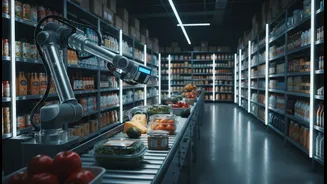
In theory, the quick-commerce model is designed for freshness. Unlike traditional supermarkets with long supply chains, q-commerce relies on a network of 'dark stores'—small, local warehouses optimized for delivery, not for in-person shopping. These facilities
stock a limited range of high-demand items, leading to rapid inventory turnover. The logic is simple: if products are bought and sold within days, or even hours, the risk of spoilage or receiving items near their expiry date should, in principle, be lower. This high-churn environment, powered by data analytics that predict neighborhood demand, aims to make freshness a direct outcome of its speed. It reframes the conversation from traditional warehousing to a dynamic, just-in-time model for groceries.
Technology: The Unseen Quality Controller
Behind the scenes, technology is the main line of defense. Advanced inventory management systems are crucial for tracking every item in a dark store. These platforms are designed to enforce a 'First-In, First-Out' (FIFO) policy, ensuring older stock is sold before newer items. Algorithms monitor stock levels in real-time, predict demand to prevent overstocking, and flag products approaching their 'best before' dates. This digital oversight aims to reduce human error and minimize waste, creating a system where product rotation isn't just a guideline but an automated process. For consumers, the promise is that this tech-driven precision delivers not just speed but also safety and quality.
Where the System Shows Cracks
Despite the sophisticated systems, the model is not foolproof. The 'last mile'—the journey from the dark store to your doorstep—remains a significant vulnerability. Maintaining the cold chain for dairy, meat, and frozen products is a major challenge, especially during hot weather. While companies use insulated bags, the integrity of temperature-sensitive items can be compromised. Furthermore, the immense pressure for speed can lead to lapses in hygiene and handling at the dark store level. Recent inspections by food safety authorities have uncovered issues like improper storage, pest control problems, and expired products being mixed with fresh stock, highlighting a gap between operational theory and on-the-ground reality.
The Regulatory Catch-Up
Regulators are paying close attention. India's food safety authority, FSSAI, has begun issuing specific directives for e-commerce and quick-commerce platforms. Following a spate of consumer complaints about receiving expired, rotten, or spoiled goods, the FSSAI has issued notices to major players. These rules mandate that sellers must have valid FSSAI licenses, which must be displayed on the platform. There are also guidelines on shelf life, requiring products to be delivered with at least 30% of their shelf life remaining or be 45 days from expiry. The authority is also pushing for better traceability, mandatory food safety training for handlers, and more robust grievance redressal systems to protect consumers.
The Inherent Limits of 10-Minute Delivery
Ultimately, the business model has inherent tensions. The relentless focus on speed can conflict with the meticulous checks required for food safety. The gig-worker model, common in the industry, often means delivery partners and store pickers may not have formal or extensive training in food handling protocols. While platforms are now being directed to implement mandatory training, ensuring consistent compliance across thousands of workers and hundreds of dark stores is a massive operational challenge. Furthermore, some platforms have been criticized for not displaying 'best before' dates on their apps, preventing customers from making informed choices at the time of purchase. These limitations are not easily solved by technology alone and represent the fundamental trade-offs of the q-commerce promise.