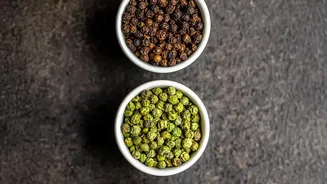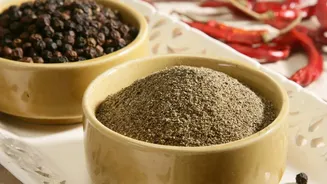


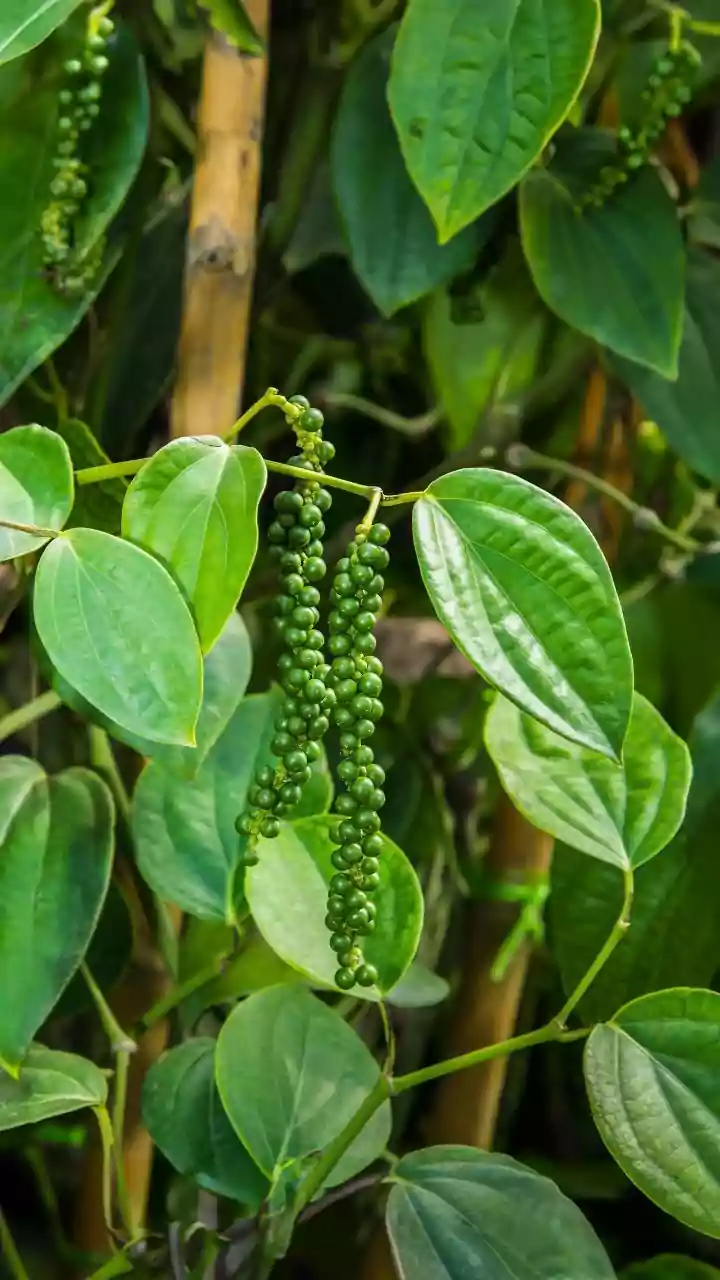
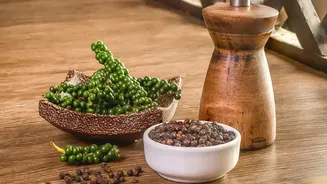
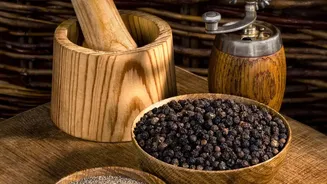
Black pepper, the 'king of spices', is a cornerstone of Indian cooking. But its high value makes it a target for adulteration. These impurities are not just a waste of money; they can be tough to spot and may even pose health risks.
Why Your Pepper Might Not Be Pure
The primary driver
behind black pepper adulteration is simple economics. Due to its high demand and cost, some sellers mix in cheaper substitutes to increase their volume and profit margins. This practice is especially common with ground pepper, where visual differences are harder to detect, but it also happens with whole peppercorns. Common adulterants range from visually similar but flavourless papaya seeds to inferior or hollow pepper berries, and sometimes even a coating of mineral oil to give a false impression of quality and shine.
The Most Common Culprit: Papaya Seeds
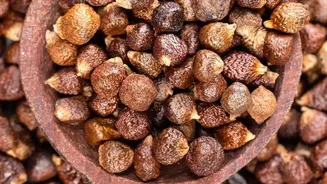
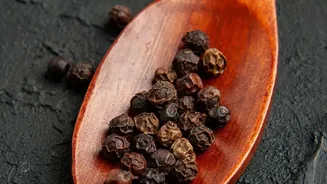
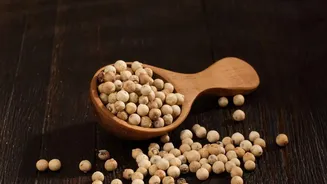
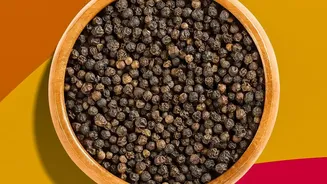
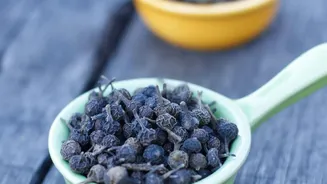
Dried papaya seeds are the most frequent imposter found in black pepper. They are similar in size and shape, and once mixed in, it can be incredibly difficult to tell them apart with a quick look. However, there are key differences. Genuine black peppercorns have a distinctly wrinkled, rough surface, whereas papaya seeds are often smoother, more oval-shaped, and may look shrunken. While they add bulk, papaya seeds contribute none of the characteristic heat or aroma of true pepper and can sometimes taste bitter.
Simple Home Test 1: The Water Float Test
One of the easiest ways to check for impurities is the water test, a method recommended by the Food Safety and Standards Authority of India (FSSAI). Simply drop a spoonful of whole peppercorns into a glass of plain water. Pure, dense black peppercorns will sink to the bottom. Lighter adulterants, such as papaya seeds and hollow or poor-quality pepper berries, will typically float on the surface. If you see a significant number of floaters, your pepper is likely adulterated.
Simple Home Test 2: The Crush and Rub Test
Your senses of touch and smell are powerful tools. Take a few peppercorns and press them firmly with your thumb or a heavy object. A genuine, high-quality peppercorn is hard and doesn't break easily. Adulterants like light berries or papaya seeds will crush with much less pressure. You can also check for a mineral oil coating by rubbing a few peppercorns vigorously on a white piece of paper. If they leave a greasy or oily stain that smells faintly of kerosene, they've been coated to appear glossier.
The Health Risks of Adulterated Spices
Consuming adulterated pepper isn't just a culinary disappointment; it can have health implications. Impurities like papaya seeds can cause digestive issues in some individuals. More concerning are coatings like mineral oil, which is a petroleum derivative that can lead to gastrointestinal distress and may have long-term toxic effects. In some cases, industrial dyes are used to colour inferior berries, which can carry carcinogenic risks. Ensuring the purity of your spices is a crucial step in maintaining a healthy kitchen.
How to Buy with Confidence
The best defence against adulteration is to be a savvy shopper. Whenever possible, opt for whole peppercorns instead of pre-ground powder, as it is much harder to hide impurities in whole spices. Purchase from trusted brands and reliable retailers. Be wary of prices that seem too good to be true, as extreme discounts can be a red flag for low-quality or adulterated products. Reading the label for an FSSAI license number and checking the packaging integrity also adds a layer of assurance. Grinding your pepper fresh at home not only guarantees purity but also provides superior flavour and aroma.