







From Hype to Hired: The New Reality
The initial explosion of interest in Artificial Intelligence created a gold rush for talent, where mentioning keywords like 'Machine Learning', 'Generative AI', or 'NLP' on a resume was enough to get noticed. That era is over. Recruiters and hiring managers
are now overwhelmed with applications that are nearly identical, often polished by AI to include the right buzzwords. A recent report highlighted that 50% of employers in India now prioritize demonstrated AI capabilities over formal degrees, signaling a clear move towards a skills-first hiring approach. This means the conversation has shifted from what you claim to know, to what you can prove you have done.
Why Projects Outshine Keywords
A well-documented AI project is a powerful narrative that a list of keywords can never match. While applicant tracking systems (ATS) might scan for terms, human recruiters look for impact. A project demonstrates initiative, problem-solving ability, and practical application of knowledge—qualities that are difficult to assess from a course certificate alone. Building something, even on a small scale, shows you understand the entire lifecycle: from defining a problem and gathering data to implementing a solution and understanding its limitations. It proves you can move beyond theory and create tangible value, which is precisely what companies are looking for in an AI-driven economy.
What Makes an Impressive AI Project?
Recruiters aren't necessarily looking for a groundbreaking discovery; they are looking for evidence of your thinking. A strong project solves a real, relatable problem. Instead of another generic spam classifier, consider projects with specific applications. Examples include building a chatbot to answer common customer queries, creating a tool to screen resumes, developing a movie recommendation system, or even an AI research agent that can synthesize information. The key is to show you can design a domain-specific AI system. For instance, an agriculture chatbot for Indian farmers demonstrates an understanding of user needs beyond the typical tech bubble. The technology used is important, but the story behind why you built it and the problem it solves is what makes it memorable.
Effectively Showcasing Your Work
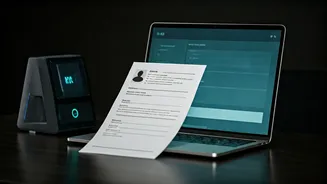
Creating a great project is only half the battle; you need to present it effectively. The goal is to make it easy for a busy recruiter to understand the impact of your work in seconds. On your resume, use the 'Problem-Action-Result' framework for each project. Start with a strong action verb, describe the technology used, and, most importantly, quantify the outcome. For example, instead of "Built a chatbot," try "Developed a customer support chatbot using RAG techniques that reduced query resolution time by 30%." Maintain a clean, well-documented GitHub repository with a clear README file that explains the project's purpose, architecture, and challenges. A link to a live demo or a short video walkthrough can also significantly increase engagement and make your application stand out.
Beyond the Code: Signalling Deeper Skills
Your AI projects are a testament to more than just your technical abilities. They signal a range of valuable soft skills that are in high demand. Successfully completing a project demonstrates project management, creativity, and logical thinking. Documenting your process and explaining your technical decisions showcases strong communication skills. Choosing a project that addresses a real-world business or social issue highlights your commercial awareness and problem awareness. In an era where AI can handle routine tasks, these distinctly human skills—critical thinking, adaptability, and the ability to translate business needs into technical solutions—are becoming more valuable than ever.