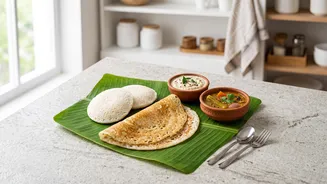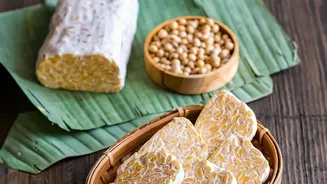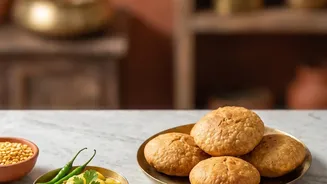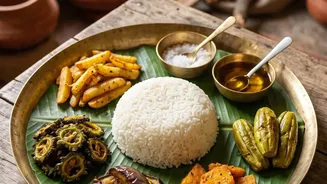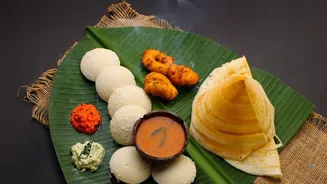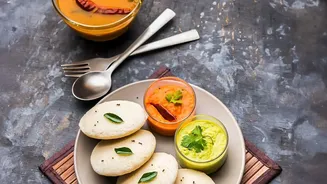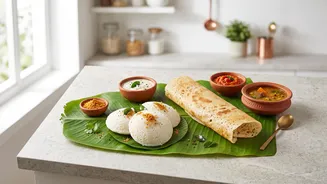

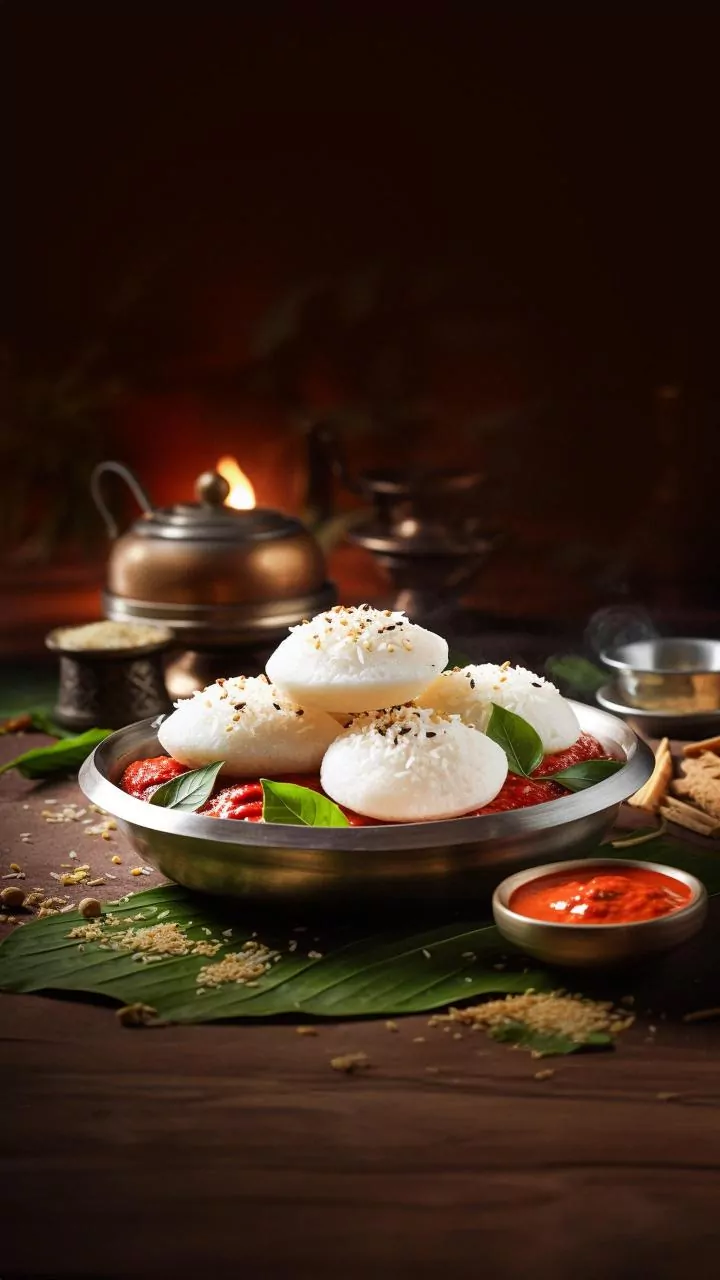
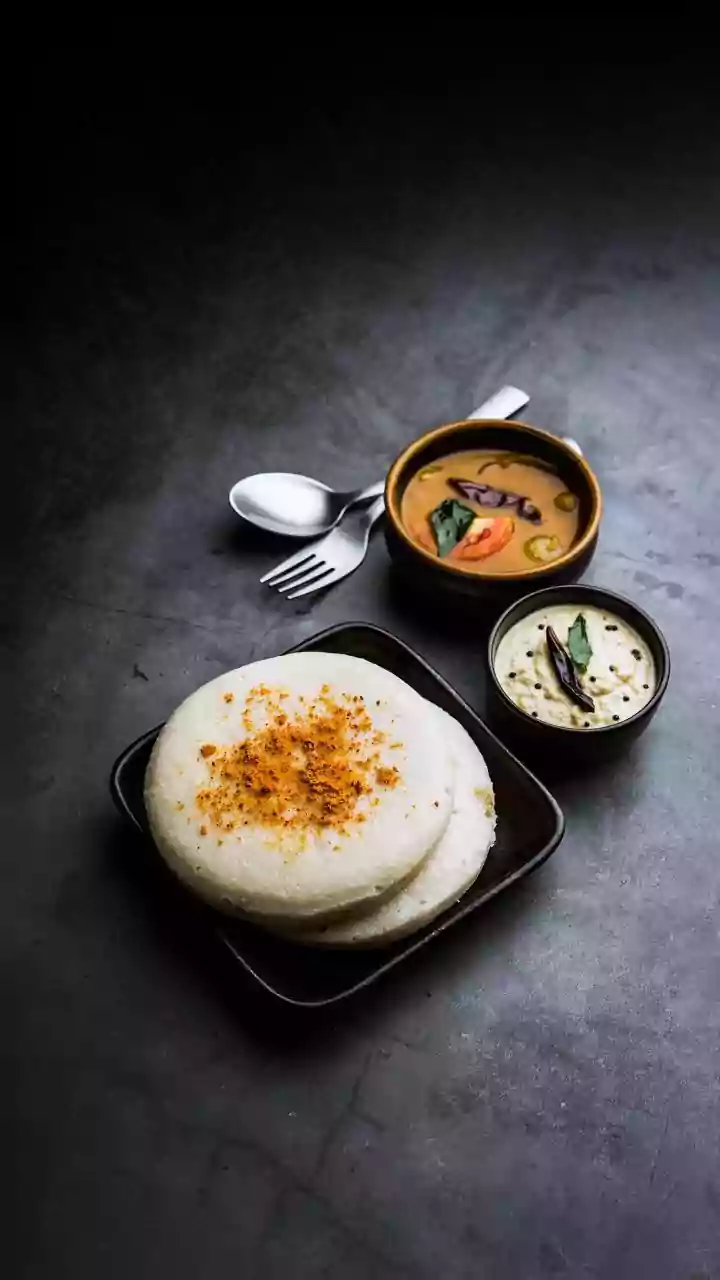
That fluffy idli, crisp dosa, or airy dhokla is more than just comfort food. It’s the delicious result of an ancient culinary science that transforms simple ingredients, making them significantly easier for our bodies to digest and use.
The Living Magic Inside the Batter
At its heart, fermentation
is a natural process where beneficial microorganisms, like bacteria and yeasts, get to work breaking down components in food. In Indian kitchens, this often happens by simply letting a batter of ground lentils and rice sit in a warm spot for several hours. During this time, invisible microbes begin to feast on the sugars and starches, transforming the batter's texture, flavour, and nutritional profile. This 'pre-digestion' by microbes is the secret that makes these foods so light and nourishing.
Tackling Complex Starches and Anti-Nutrients
Grains and legumes like rice and urad dal are packed with complex carbohydrates, or starches, which provide sustained energy. However, they also contain 'anti-nutrients' like phytic acid. Phytic acid is notorious for binding to minerals like iron, calcium, and zinc, which prevents our bodies from absorbing them effectively. This is where fermentation works its magic. The microorganisms produce enzymes that systematically break down these complex starches into simpler, more easily digestible forms. This means your digestive system doesn't have to work as hard.
Unlocking Essential Nutrients
The fermentation process does more than just predigest starches; it actively dismantles the phytic acid. As the microbes break down this anti-nutrient, the essential minerals that were once locked away become 'bioavailable'—meaning your body can now absorb and use them. This is particularly beneficial for improving iron absorption from lentils, a crucial benefit in vegetarian diets. Furthermore, the fermentation process actually increases the content of certain B vitamins, such as B12, niacin, and riboflavin, adding another layer of nutritional value.
Idli and Dosa: The Perfect Example
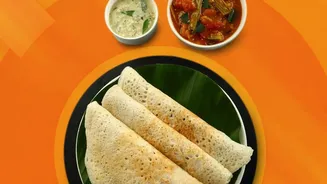
The batter for idli and dosa is a classic case study. Rice and urad dal are soaked, ground, and left to ferment. The wild yeasts and lactic acid bacteria present get to work. They consume the sugars, producing carbon dioxide that makes the idli batter rise and become fluffy, and lactic acid which gives it that characteristic tangy flavour. By the time the batter is ready to be steamed into idlis or spread into a dosa, its starches are partially broken down, its proteins are more digestible, and its mineral content is more accessible.
A Gut-Friendly Tradition
The benefits extend directly to your gut health. The lactic acid bacteria that drive the fermentation in foods like idli, dosa, and dhokla are natural probiotics. These beneficial bacteria help populate your gut microbiome, which is the community of trillions of microbes living in your digestive tract. A healthy and diverse microbiome is linked to everything from a stronger immune system and better digestion to improved mood. By eating these naturally fermented foods, you are actively supporting this vital internal ecosystem.
Beyond the Breakfast Table
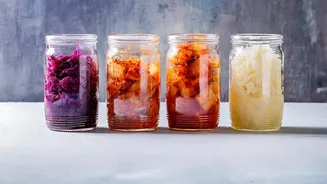
This culinary wisdom isn't limited to idli and dosa. Across India, countless traditional foods rely on fermentation. There's Dhokla from Gujarat, made with a fermented batter of rice and chickpeas. There's Kanji, a probiotic-rich North Indian drink made from fermented black carrots. Even traditional pickles (achaar), when made without vinegar and allowed to ferment naturally in salt and sunlight, are a source of beneficial microbes. Each of these foods uses the power of fermentation to enhance flavour, preserve the food, and make it more wholesome.