








The Great Cloud Deception
It’s a common and comforting thought: grey skies mean no sun, and no sun means no skin damage. Unfortunately, this is a dangerous myth. While thick, heavy clouds can reduce the amount of ultraviolet (UV) radiation reaching us, they are far from a perfect
shield. Studies show that up to 80% of the sun's UV rays can penetrate light cloud cover. This means that even on the most overcast day of the monsoon, your skin is still being exposed to significant amounts of radiation. In some cases, a phenomenon known as the 'broken-cloud effect' can even scatter and reflect UV rays, making exposure higher than on a completely clear day. The cool breeze and lack of direct sunlight create a false sense of security, leading many to forgo protection when they need it most.
Meet the Invisible Threats: UVA vs. UVB
To understand why cloudy days are risky, it’s important to know about the two main types of UV rays that damage our skin: UVA and UVB. Think of it like this: UVB rays are the 'burning' rays. They are shorter, more energetic, and the primary cause of sunburn. Clouds do a decent job of blocking a portion of these. UVA rays, on the other hand, are the 'ageing' rays. They have a longer wavelength, allowing them to penetrate deeper into the skin, where they break down collagen and accelerate the formation of wrinkles and fine lines. UVA rays make up about 95% of the UV radiation reaching Earth and, crucially, they can easily pass through both clouds and glass. So while you might not get a sunburn on a cloudy day, the silent, long-term damage from UVA is still happening.
Choosing Your Monsoon Armour
The intense humidity of the Indian monsoon presents a unique challenge. Thick, creamy sunscreens can feel heavy, greasy, and lead to clogged pores. For this season, the texture of your sunscreen is just as important as its protective power. Look for lightweight formulations labelled as 'gel-based', 'fluid', 'water-based', or 'matte finish'. These are designed to absorb quickly without leaving a sticky residue, making them far more comfortable in humid conditions. Also, given the chances of getting caught in a downpour or simply sweating, opting for a 'water-resistant' or 'sweat-resistant' formula is a smart move. This ensures your protection doesn't wash or melt away the moment you step outside.
Decoding the Label: SPF and PA+
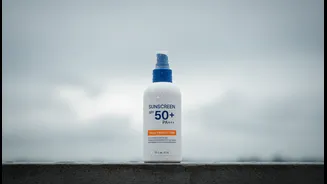
When selecting a sunscreen, you’ll see two key ratings: SPF and PA. SPF, or Sun Protection Factor, primarily measures protection against UVB rays—the ones that cause sunburn. While important, it doesn't tell the whole story. The PA rating, which stands for 'Protection Grade of UVA', is your indicator for defense against the ageing rays. This system, originating in Japan, uses plus signs (from PA+ to PA++++) to denote the level of UVA protection. For the intense and consistent sun exposure in India, dermatologists recommend a broad-spectrum sunscreen with at least SPF 30 and the highest possible PA rating, which is PA++++. This ensures you are comprehensively shielded from both burning and ageing.
Application and Reapplication Rules
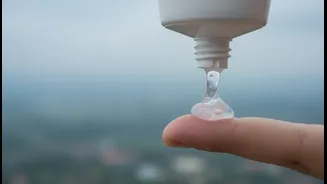
Even the best sunscreen is only effective if applied correctly. Use a generous amount—about two fingers' worth for your face and neck—and apply it as the last step of your morning skincare routine, at least 15-20 minutes before heading outdoors. This gives it time to form a protective film on your skin. One of the biggest mistakes people make, especially during the monsoon, is forgetting to reapply. Sweat and humidity can break down sunscreen faster. As a rule, you should reapply your sunscreen every two to three hours if you are outdoors, or more frequently if you have been sweating or have been in the rain. For reapplication over makeup, sun-sticks or sprays can be convenient options, though ensuring even coverage with a spray can be tricky.