






Beyond the Weighing Scale: A Younger You
We often measure fitness by kilos lost or kilometres run, but scientists are looking deeper. Recent studies show that people who exercise consistently over many years have a more “youthful molecular profile.” This means that on a cellular level, their
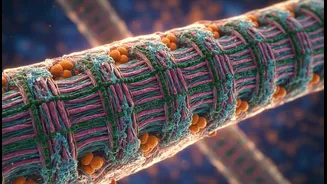
bodies show fewer signs of wear and tear associated with ageing. One of the key markers for this is the length of our telomeres, which are protective caps on the ends of our chromosomes, much like the plastic tips on shoelaces. Each time our cells divide, these telomeres get a little shorter, acting as a kind of biological clock. Remarkably, research has found that people with high levels of physical activity have significantly longer telomeres — a biological ageing advantage of up to nine years compared to those who are sedentary.
The Power of a Lifelong Habit
The key finding across multiple studies is that these profound anti-ageing effects are linked to long-term, regular training, not sporadic, high-intensity efforts. While a month-long challenge can kickstart a routine, the real benefits accumulate over years of sustained activity. Think of it like investing: small, regular deposits over a long period yield far greater returns than a single, large, one-time investment. Researchers have observed that long-term endurance and resistance training fundamentally alter the way our genes behave, a process known as epigenetics. Consistent exercise can essentially teach your body to activate genes that improve metabolism, reduce inflammation, and enhance muscle repair, creating a lasting positive impact that short-term programmes can't replicate.
How Exercise Turns Back the Clock
So, what’s happening inside your body when you commit to regular exercise? The benefits are multi-faceted. Firstly, consistent training boosts the efficiency of your mitochondria, the tiny powerhouses inside your cells that generate energy. Healthy mitochondria mean more energy and less metabolic waste, which slows cellular decline. Secondly, regular movement is a powerful tool against chronic inflammation and oxidative stress, two major drivers of ageing that can damage cells and DNA. Exercise enhances your body's natural antioxidant defences and lowers inflammatory markers. Finally, studies show that both aerobic and resistance training can activate enzymes like telomerase, which helps to repair and maintain telomere length, directly counteracting the cellular ageing process.
Building a Sustainable Fitness Routine
Prioritising consistency doesn't mean you have to spend hours in the gym every day. The goal is to build a habit you can stick with for life. The American College of Sports Medicine recommends a balanced approach, including at least 150 minutes of moderate-intensity aerobic activity, like brisk walking or cycling, each week. This should be combined with muscle-strengthening activities for all major muscle groups at least two days a week. Strength training is particularly crucial as we age, as it preserves muscle mass, which naturally declines from our 30s onwards. It also improves bone density and balance, reducing the risk of falls. The most important thing is to find activities you enjoy, as this is the true secret to long-term adherence. Whether it's dancing, swimming, lifting weights, or simply walking every day, the best exercise is the one you do consistently.