




The Wild Heart of India Reawakens
Following its annual monsoon closure, Bandhavgarh National Park is set to welcome visitors again from mid-October. While the official date is typically October 15th, it is always wise to confirm with the Madhya Pradesh Forest Department portal before
finalising plans. This reopening is a celebrated event, as the park’s core zones—Tala, Magdhi, and Khitauli—become accessible after a period of rejuvenation. The forest, lush and green from the rains, offers a stunning backdrop for the wildlife that has thrived undisturbed for months. The air is fresh, waterholes are full, and the damp earth makes it easier for guides to track the park's most famous residents.
In the Realm of the Royal Bengal Tiger
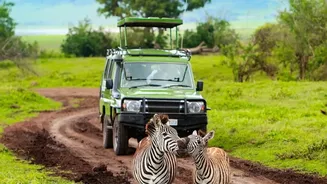
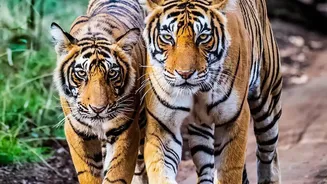
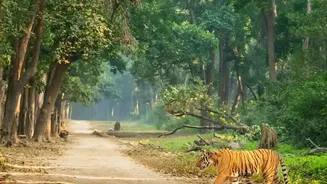
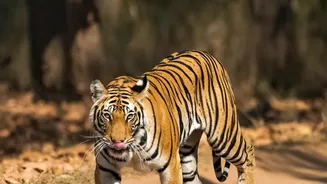
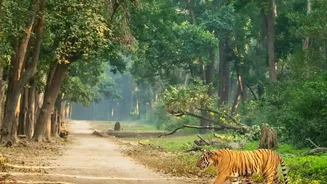
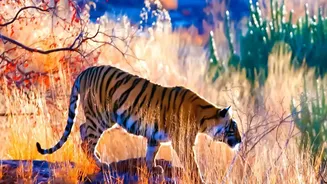
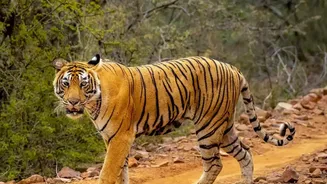
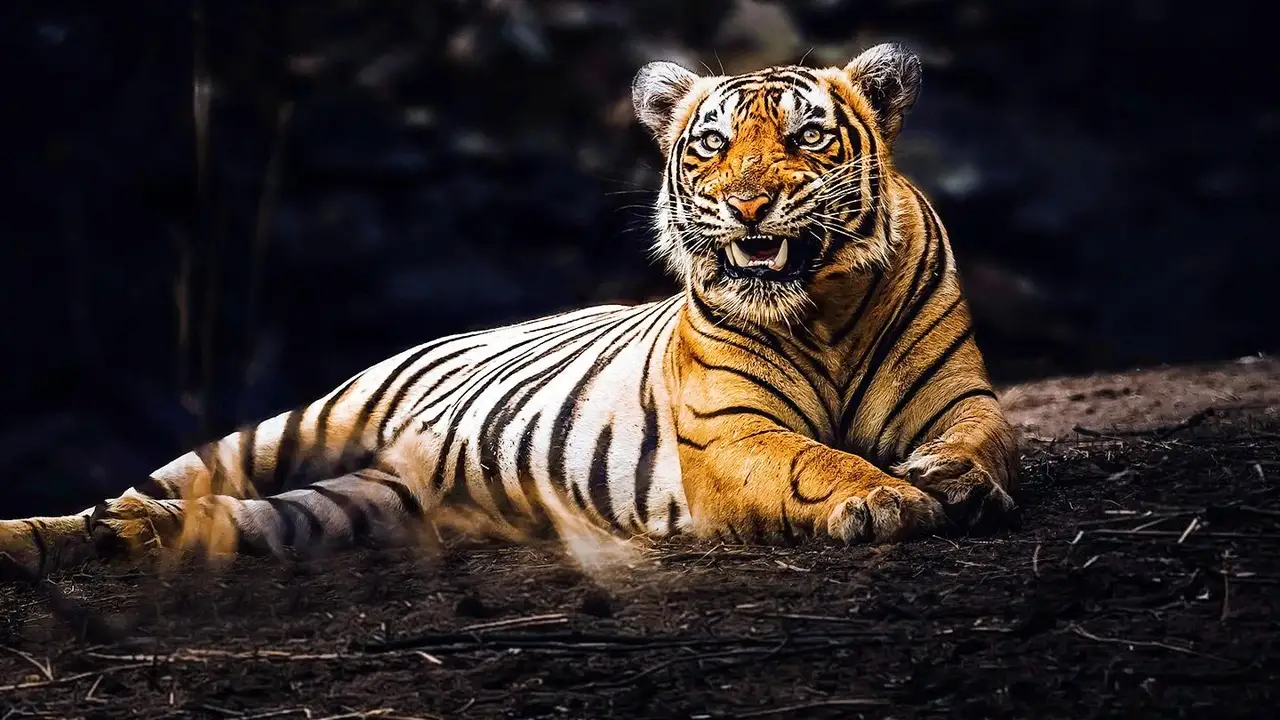
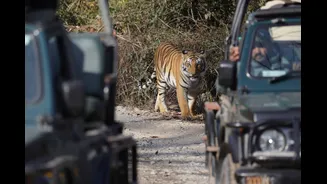
Bandhavgarh has earned its reputation as one of the best places in the world to see a Bengal tiger in its natural habitat. The park boasts one of the highest densities of tigers in India, and the post-monsoon season is an excellent time for sightings. Safaris are conducted in open-top jeeps twice a day—once in the early morning and again in the late afternoon. Each of the core zones offers a unique experience. Tala, the oldest and most popular zone, is known for its dramatic landscape of towering Sal forests and vast meadows, offering prime tiger-spotting opportunities. Magdhi is characterised by grasslands, while Khitauli is noted for sightings of not just tigers but also sloth bears and leopards.
A Fortress in the Forest
What sets Bandhavgarh apart from other tiger reserves is the incredible history nestled within its boundaries. Dominating the park is the Bandhavgarh Fort, a stunning structure believed to be over 2,000 years old. Legend suggests it was gifted by Lord Rama to his brother Lakshmana, giving it the name “Brother’s Fort.” While safari access to the fort itself can be restricted, its presence is felt throughout the Tala zone, with ancient walls and man-made caves dotting the landscape. A key historical site accessible to visitors is the magnificent 10th-century statue of a reclining Vishnu, known as Shesh-Shaiya. A stream called Charan Ganga originates from this spot, flowing through the park and sustaining its ecosystem.
Planning Your Bandhavgarh Safari
A trip to Bandhavgarh requires planning, especially as safari permits are limited and in high demand. Bookings must be made well in advance through the official Madhya Pradesh Forest Department website. You will need to provide identification details for all visitors. A wide range of accommodation is available around the park entrance in the village of Tala, from luxury jungle lodges to more budget-friendly resorts. The nearest major airport and railway station are in Jabalpur, approximately a three to four-hour drive away. Many hotels can arrange for transfers. To make the most of your visit, it is recommended to book at least three or four safari drives, allowing you to explore different zones and increase your chances of memorable wildlife encounters.
Travel with Respect and Responsibility
As a visitor to this vital ecosystem, it’s important to be a responsible tourist. Always follow the instructions of your guide and driver. Maintain silence to avoid disturbing the animals and enhancing your own experience of hearing the jungle's sounds—from the rustle of leaves to the alarm calls of deer that often signal a nearby predator. Do not litter, and never attempt to feed any wildlife. By respecting the park's rules, you contribute to the conservation efforts that have made Bandhavgarh a success story in wildlife protection, ensuring its wonders can be experienced for generations to come.