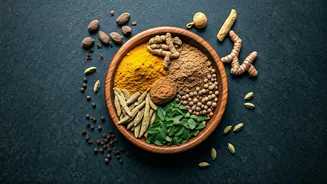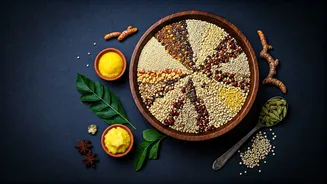




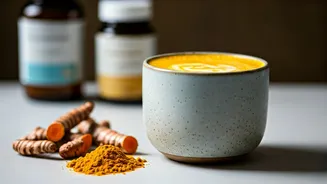


Turmeric (Haldi): The Golden Healer
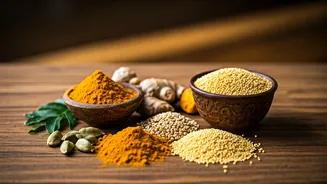
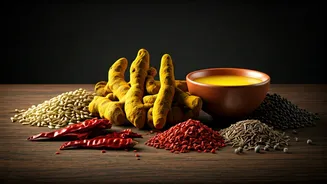
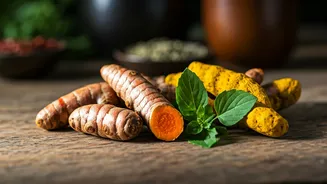
No Indian kitchen is complete without a box of brilliant yellow turmeric powder. For centuries, it has been the cornerstone of our cuisine, giving curries their vibrant colour and distinct flavour. But its role has always extended beyond the plate. Traditionally,
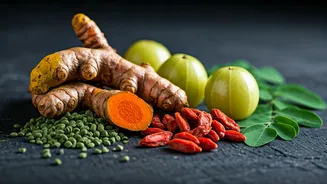
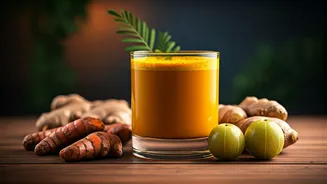
a paste of haldi was applied to cuts and scrapes for its antiseptic properties, and warm haldi doodh was the go-to remedy for colds and sore throats. Today, science is catching up to this ancient wisdom. The magic lies in curcumin, a powerful compound with proven anti-inflammatory and antioxidant effects. This rediscovery has propelled turmeric from a simple spice to a global wellness superstar, celebrated in everything from golden lattes to face masks, reaffirming what our elders knew all along.
Ginger (Adrak): The Pungent Powerhouse
That sharp, warming kick of adrak in our morning chai is more than just a flavour enhancer; it’s a daily dose of medicine. Ginger has been a staple in Ayurvedic and home remedies for millennia, primarily used to soothe digestive issues, combat nausea, and fight the common cold. Its active compound, gingerol, is responsible for many of its medicinal properties, including its anti-inflammatory effects. While it has always been present in our tadkas and marinades, there is a renewed appreciation for its raw power. People are now consciously incorporating ginger shots into their morning routines and relying on ginger-infused water to settle their stomachs, a modern twist on the age-old practice of chewing a piece of raw ginger for relief.
Amla (Indian Gooseberry): The Immunity Booster
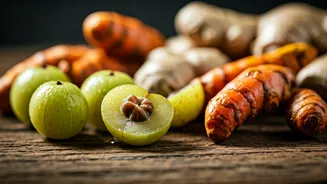
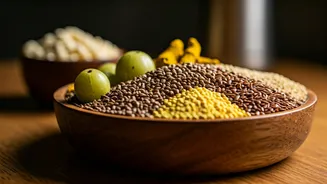
Tart, astringent, and incredibly potent, amla is one of nature’s most powerful gifts. While many of us grew up eating it pickled or in sweet murabbas, we are now understanding the sheer nutritional force it packs. Amla is one of the richest known natural sources of Vitamin C, an essential antioxidant that bolsters the immune system, promotes healthy skin, and improves hair quality. It's the hero ingredient in Chyawanprash for a reason. As we search for natural ways to build resilience against seasonal illnesses, amla is being rediscovered not as a nostalgic treat, but as a formidable superfood. Fresh amla juice, powders, and even candies are becoming popular, accessible ways to tap into its immense health benefits.
Tulsi (Holy Basil): The Queen of Herbs
For generations, a tulsi plant has been a sacred fixture in the courtyards of Indian homes, revered for its spiritual significance. But its healing properties are just as profound. In Ayurveda, tulsi is classified as an adaptogen—a natural substance that helps the body adapt to stress and promotes mental balance. Traditionally used to treat respiratory ailments like coughs, bronchitis, and asthma, its leaves were often chewed or brewed into a simple tea. In today's high-stress world, the calming, clarifying properties of tulsi are more relevant than ever. This humble leaf is being rediscovered as a natural antidote to modern anxiety, with tulsi teas and infusions becoming a daily ritual for well-being.
Ghee: The Misunderstood Super-Fat
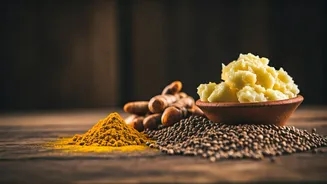
Perhaps no ingredient better represents this 'rediscovery' than ghee. For a couple of decades, it was wrongly demonised, pushed aside in favour of refined vegetable oils. But now, ghee is making a triumphant comeback, reclaimed as the healthy, nourishing fat it truly is. Made from clarified butter, ghee is rich in fat-soluble vitamins like A, E, and K2, and it's a source of butyric acid, which is beneficial for gut health. It also has a high smoke point, making it a stable and healthy choice for Indian cooking. This return to ghee signifies a broader cultural shift—a move away from blindly adopting Western dietary fads and a renewed trust in the nutritional wisdom passed down through our own culinary traditions.