



1. The Snake Plant
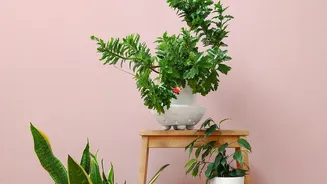
Known for being almost indestructible, the Snake Plant (Sansevieria trifasciata) is a powerhouse for indoor air quality. Its tall, architectural leaves are not just for show; they are incredibly efficient at filtering airborne toxins like formaldehyde
and benzene, which can be present in cleaning products and furniture. What makes it perfect for the rainy season is its tolerance for high humidity and low light, common conditions in an apartment during overcast days. Uniquely, it converts carbon dioxide into oxygen at night, making it an ideal companion for bedrooms to ensure fresh air while you sleep. It is a succulent, meaning it stores water in its leaves, so you only need to water it when the soil is completely dry, preventing the risk of root rot in a damp environment.
2. The Peace Lily
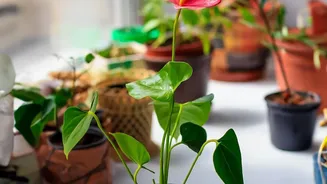
The Peace Lily (Spathiphyllum) is another champion of air purification, recognised by NASA for its ability to remove common household toxins. With its elegant white blooms and glossy dark leaves, it adds a touch of sophistication to any room. During the monsoon, its benefits are twofold. Firstly, it helps to reduce indoor humidity by absorbing excess moisture from the air. This ability can help in preventing the growth of mould and mildew in damp corners. Secondly, it thrives in humid conditions and prefers indirect light, making it perfectly suited for the typical indoor environment during the rainy months. Keep its soil consistently moist but not waterlogged to enjoy its air-cleansing benefits all season long.
3. The Boston Fern
With its lush, feathery fronds, the Boston Fern (Nephrolepis exaltata) is a classic choice for adding a touch of vibrant green. It is particularly effective at removing formaldehyde and other pollutants from the air. While some plants reduce humidity, the Boston Fern acts as a natural humidifier, restoring balanced moisture to the air. This can be especially soothing in rooms that might feel stuffy or have dry air from fans. It loves the high humidity that the monsoon brings, which helps its delicate fronds stay lush and green. This plant is ideal for bathrooms or kitchens where moisture levels are naturally higher, helping to create a more balanced and pleasant atmosphere.
4. The Spider Plant
The Spider Plant (Chlorophytum comosum) is one of the easiest and most adaptable houseplants you can own. It’s celebrated for its air-purifying qualities, effectively filtering carbon monoxide and xylene. Its arching leaves and cascading baby “spiderettes” make it a beautiful addition to hanging baskets or shelves. The Spider Plant is forgiving and tolerates a range of conditions, including the higher humidity of the monsoon season. It helps improve air circulation and is a great choice for beginners looking for a low-maintenance plant that actively works to keep their home’s air cleaner when windows are shut against the rain.
5. The Areca Palm
Bring a tropical feel indoors with the elegant Areca Palm (Dypsis lutescens). Its graceful, arching fronds not only enhance your decor but also work hard to purify the air. Often called a “natural humidifier,” it releases moisture into the atmosphere, which can help combat the stuffiness of a closed-up room. It's also known to filter out common indoor pollutants. The Areca Palm thrives in bright, indirect light and appreciates the higher humidity levels of the rainy season, making it a perfect statement plant for a living room or bright hallway. Keeping its leaves clean by wiping them occasionally will help it perform its air-purifying duties more effectively.
The Role of Clay Absorbers
Beyond plants, another natural ally in the fight against dampness is clay. Clay absorbers, often made from unglazed terracotta or bentonite clay, are natural desiccants. Their porous structure gives them a large surface area, allowing them to attract and trap excess moisture molecules from the air through a process called adsorption. Unlike electric dehumidifiers, they are silent, require no electricity, and are eco-friendly. You can place small clay pots, discs, or even decorative terracotta items in areas prone to dampness, such as wardrobes, shoe racks, and bathrooms. They help prevent the musty smells that come from mould and mildew by keeping the ambient humidity in check, ensuring your storage spaces and smaller rooms stay fresher.