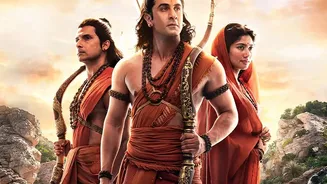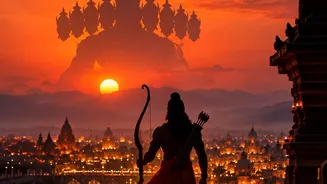









The colossal success of 'Ramayana' is rewriting box office history, but its most significant impact might be on the ground. The film is not just filling seats; it's breathing new life into every corner of the Indian film exhibition sector.
A Flood of Record-Breaking Numbers
The release
of 'Ramayana: Part 1' in early November 2026 was not just a film premiere; it was a cultural and commercial event. Within three weeks, the mythological epic has shattered records, storming past the ₹1,690 crore mark at the global box office. The film, starring Ranbir Kapoor and Yash, earned a staggering ₹1,126.50 crore gross in India alone, demonstrating a near-universal appeal that has drawn audiences back to cinemas in unprecedented numbers. Its performance has been particularly strong in premium formats, grossing over ₹70 crore in IMAX alone, a new record for an Indian film. This immense drawing power has translated directly into a much-needed financial windfall for theatre owners who were facing declining footfalls just last year.
The Multiplex Premium Experience Pays Off
For India's multiplex chains, 'Ramayana' has been the perfect blockbuster. The film's grand scale and visual effects drove audiences to seek premium experiences like IMAX and 4DX, where ticket prices are significantly higher. This trend aligns perfectly with the multiplex strategy of focusing on high-margin, experience-driven models to combat the rise of at-home streaming. Profitability in multiplexes is heavily reliant on food and beverage sales, which can have margins as high as 65-80%. A blockbuster like 'Ramayana' that guarantees high occupancy rates—with shows running to packed houses even on weekdays—triggers a massive surge in this ancillary revenue, making it a powerful engine for profit. The success validates the industry's focus on spectacle, proving that audiences will pay a premium for an event they can't replicate at home.
A Crucial Lifeline for Single Screens
Perhaps the most heartening story is the revival of single-screen cinemas. For years, these theatres, especially in Tier-2 and Tier-3 cities, have been struggling for survival, with over 1,000 closing since 2018. Films with broad, mass-market appeal are their lifeblood. 'Ramayana' delivered exactly that. Its cultural resonance and pan-Indian storytelling brought families and communities back to these historic venues. While ticket prices at single screens are much lower—often between ₹100 to ₹150—the sheer volume of tickets sold has been immense. For mass-market hits, these smaller cinemas can contribute as much as 35-40% of the total box office revenue, proving they remain an indispensable part of India's film ecosystem. For many of these theatre owners, the film's success is not just a good quarter; it's the revenue needed to stay in business.
The Ripple Effect Across the Industry
The success of 'Ramayana' extends beyond immediate ticket sales. It sends a powerful message to producers and distributors: India has a deep and enthusiastic audience for culturally rooted, large-scale epics. This success encourages investment in ambitious projects, confident that a theatrical release can still be immensely profitable. The film's phenomenal run also reinforces the importance of a balanced exhibition sector. While multiplexes drive premium revenue, single screens ensure deep market penetration into the heartland, where a significant portion of the audience lives. The film has proven that when the content is right, both models can thrive simultaneously, creating a healthier and more resilient film industry. It demonstrates that the biggest limit on the Indian box office isn't a lack of audience, but a shortage of accessible screens for the right film.