


The Glorious 'Ghotala'
In Hindi, the word 'ghotala' can mean a mess, a scam, or chaos. In the world of street food, however, it means a delicious, scrambled concoction that’s packed with flavour. The dish originated on the streets of Surat in Gujarat, with the famous 'Anda
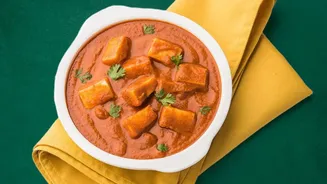
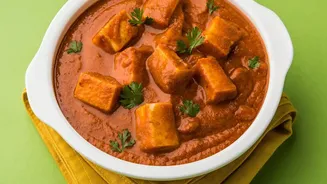
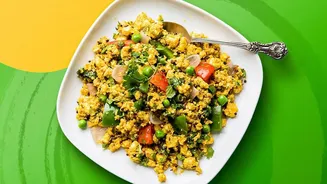
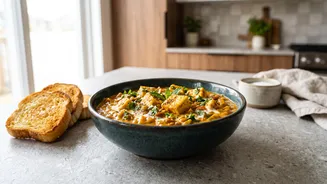
Ghotala' (Egg Ghotala). This vegetarian version swaps eggs for soft Indian cottage cheese, or paneer, creating a dish that’s just as hearty and satisfying. Paneer Ghotala takes inspiration from its egg-based predecessor, delivering a rich, bhaji-like texture that’s perfect for scooping up with bread.
What Makes It Different from Bhurji?
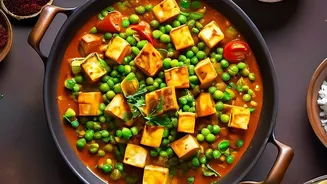
At first glance, you might mistake Paneer Ghotala for its close cousin, Paneer Bhurji. Both are scrambled paneer dishes, but the differences are in the details. Paneer Bhurji is typically a drier preparation, made simply with crumbled paneer and spices. Paneer Ghotala, on the other hand, is a saucier, more indulgent dish. It often includes a base of mashed tomatoes and onions, sometimes enriched with pav bhaji masala, cream, or even grated processed cheese for an extra layer of creaminess. The texture is also key; while bhurji uses crumbled paneer, many ghotala recipes call for a mix of grated and crumbled paneer to mimic the varied textures in Anda Ghotala.
Gather Your Ingredients
This recipe is all about simple, flavourful components coming together. You'll likely have many of these spices in your pantry already. For two generous servings, you will need: For the Base: 2 tbsp butter or oil 1 tsp cumin seeds 1 large onion, finely chopped 1 tbsp ginger-garlic paste 2 large tomatoes, finely chopped or pureed 1 small capsicum, finely chopped (optional, for crunch) For the Spices: 1/2 tsp turmeric powder 1-2 tsp red chilli powder (adjust to taste) 1 tsp coriander powder 1 tsp pav bhaji masala (the secret weapon!) Salt to taste For the Ghotala: 200g paneer, half grated and half crumbled 2 tbsp cream or 2 cheese cubes, grated (optional, for richness) A splash of water, as needed Fresh coriander leaves, chopped, for garnish Ladi pav or bread rolls for serving
Step-by-Step to Street Food Perfection
1. Start by heating butter or oil in a wide pan or kadai over medium heat. Once it’s hot, add the cumin seeds and let them splutter. 2. Add the finely chopped onions and sauté until they turn soft and translucent. Add the ginger-garlic paste and cook for another minute until the raw smell disappears. 3. Tip in the chopped tomatoes and capsicum (if using). Cook until the tomatoes break down and become mushy. You can use a potato masher at this stage to help create a smooth, thick gravy base. 4. Now, add all the spice powders: turmeric, red chilli, coriander, pav bhaji masala, and salt. Stir well and cook for a minute until the spices are fragrant and oil begins to separate from the masala. 5. Add the grated and crumbled paneer to the pan. Mix everything together gently, ensuring the paneer is well-coated with the masala. 6. Pour in a splash of water to achieve your desired consistency—it should be a thick, scoopable gravy, not too dry or too watery. 7. For an extra creamy finish, stir in the fresh cream or grated cheese now. Let it cook for another 2-3 minutes until the cheese melts and the ghotala is bubbling. 8. Turn off the heat, garnish with a generous amount of fresh coriander, and give it one final mix. Your Paneer Ghotala is ready.
Serving Suggestions for the Full Experience
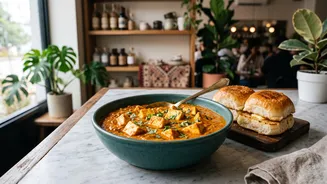
Paneer Ghotala is best enjoyed the way it’s served on the streets: with hot, buttered pav. To prepare the pav, slice the rolls horizontally, spread butter on each side, and toast them on a hot tawa until golden and slightly crisp. You can even sprinkle a pinch of red chilli powder or pav bhaji masala on the butter for extra flavour. Serve the ghotala in a bowl, topped with a dollop of butter and some more fresh coriander. A side of finely chopped raw onions and a wedge of lemon provides a fresh, crunchy contrast to the rich, spicy gravy.