






The Science of a Spongy Home
The primary reason your home feels damp long after a storm is that many building materials are porous. Your walls, wooden furniture, plaster, and even concrete can act like sponges. During a downpour, these materials absorb moisture from the intensely
humid air. When the rain stops, and the indoor temperature is often warmer than the outside, this trapped water begins to evaporate, slowly releasing moisture back into your rooms. This process creates a continuous, internal source of humidity, making the air feel heavy and damp for hours or even days. It’s not just about what’s coming in from the outside; it’s also about what’s already trapped inside.
Why Opening Windows Can Backfire
Instinctively, we might throw open the windows to 'air out' a damp room. However, during the monsoon, this can often make the problem worse. Ventilation is only effective when the outside air is drier than the inside air. After a rain shower, the outdoor humidity is often at its peak, sometimes near 100%. Opening a window at this time simply invites more moisture-laden air into your home, adding to the humidity you're trying to get rid of. This is why your home can feel persistently sticky, as the normal methods of drying it out become counterproductive.
The Hidden Health Hazards
Lingering indoor humidity is more than just a comfort issue; it can pose significant health risks. Damp environments are the perfect breeding ground for mould, mildew, and dust mites. These allergens can trigger or worsen respiratory problems, especially for those with asthma or allergies. Mould spores floating in the air can lead to coughing, sneezing, itchy eyes, and other allergic reactions. Furthermore, high humidity makes it harder for your body to cool itself through sweating, which can lead to fatigue, lethargy, and a general feeling of discomfort.
Low-Cost Ways to Fight the Dampness
Before investing in expensive gadgets, several simple, low-cost strategies can make a big difference. Start by using exhaust fans in your kitchen and bathrooms to expel moist air directly outside. Even running a ceiling or pedestal fan can help by circulating air, which discourages moisture from settling on surfaces. Wipe down condensation from windows and other cool surfaces. For contained spaces like closets and cabinets, you can place natural moisture absorbers like activated charcoal, chalk, or even a bowl of rock salt to help draw water out of the air. Keeping lids on pots while cooking can also significantly reduce the amount of steam released into your home.
Using Your Air Conditioner Smarter
Many modern air conditioners come with a 'Dry Mode', often represented by a water drop symbol. This setting is specifically designed to combat humidity. In Dry Mode, the AC runs the fan at a low speed while the compressor cycles intermittently. This process allows the unit to condense moisture from the air and drain it away without drastically lowering the room temperature, making it perfect for those humid but not intensely hot monsoon days. It's a more energy-efficient way to make your home feel comfortable compared to running the standard cooling mode. While not as powerful as a dedicated dehumidifier for severe dampness, it's an excellent first line of defense that you may already have.
When to Consider a Dehumidifier
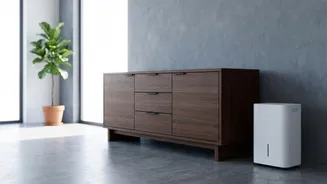
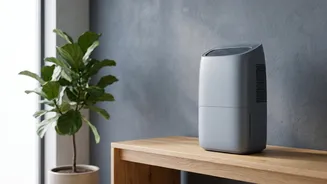
If you face persistent dampness, notice musty smells, or see signs of mould growth despite trying other methods, a dedicated dehumidifier might be a worthwhile investment. These appliances are built specifically to pull large amounts of moisture from the air, maintaining an ideal humidity level, which is typically between 40-60%. They are especially effective in poorly ventilated areas like basements, laundry rooms, or closets. While an AC's dry mode is great for mild humidity, a dehumidifier is the superior tool for tackling recurring moisture problems and protecting your home and health from the long-term effects of damp.